What Are the 2026 Top Fashion Casual Shoe Types?
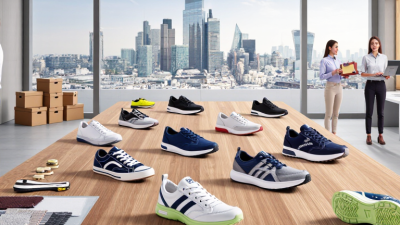
In 2026, Fashion Casual Shoes are moving beyond simple comfort and seasonal appearance. Shoppers increasingly want footwear that works across commutes, weekends, travel, and relaxed office settings. This guide introduces the leading casual shoe types expected to shape the year, from streamlined retro sneakers and breathable canvas styles to soft loafers, refined slip-ons, and trail-inspired everyday shoes.
Practical performance remains important. A well-designed pair should provide stable support, flexible movement, dependable grip, and enough cushioning for long walks. Materials also deserve closer attention, including full-grain leather, recycled mesh, suede, and durable cotton canvas. Each option feels different underfoot and responds differently to rain, heat, and repeated wear. Our discussion will consider fit, construction, maintenance, versatility, and value rather than relying only on runway visibility or social media popularity.
Real-world experience often reveals what product images hide. Stiff collars can rub ankles, thin soles may fatigue the feet, and pale fabrics can show dirt quickly. Small details matter. However, fashion forecasts are never perfect, and regional preferences may change the picture. Trends can mislead. Some highly promoted designs may lose relevance before the year ends, while familiar silhouettes may remain dependable. By comparing comfort, craftsmanship, responsible material choices, and everyday styling potential, this overview offers a balanced starting point for choosing the most useful Fashion Casual Shoes in 2026.
Defining the Main Features of 2026 Fashion Casual Shoes
What Are the 2026 Top Fashion Casual Shoe Types?
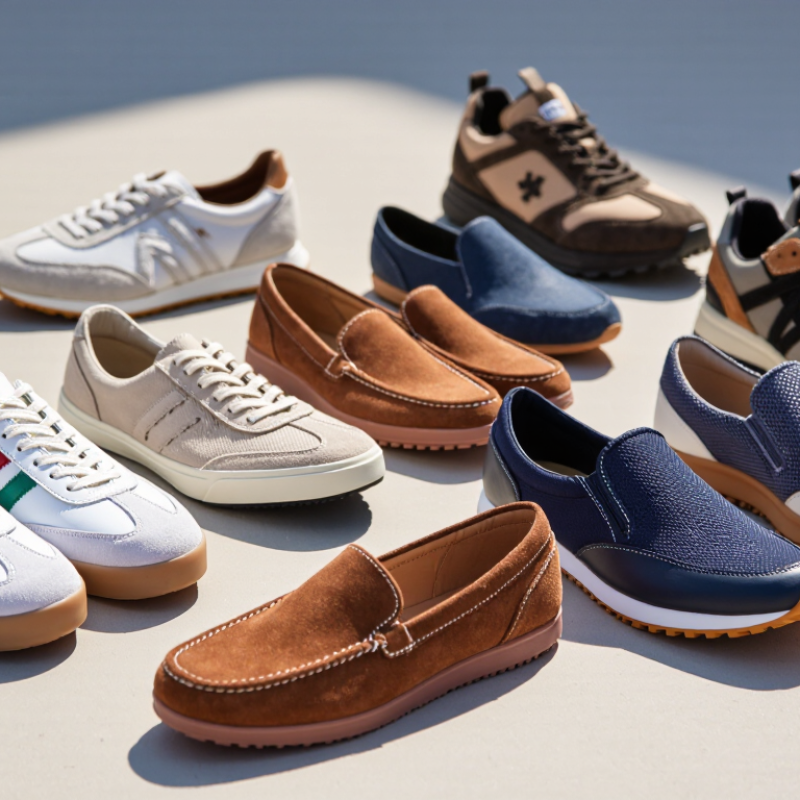
In 2026, fashion casual shoes focus on comfort without looking overly athletic. Low-profile sneakers remain popular, especially with flexible soles and clean, narrow shapes. Their lightweight mesh uppers help reduce heat during long city walks. A padded collar can prevent rubbing around the ankle. Small details matter.
Slip-on shoes are also gaining attention. Stretch panels make them easy to wear during commuting, while textured rubber outsoles improve grip on smooth floors. Many styles use muted colors, such as stone, olive, and soft gray. These shades work well with denim, relaxed trousers, and simple summer clothing. However, some slip-ons lack firm heel support. That weakness becomes noticeable after several hours.
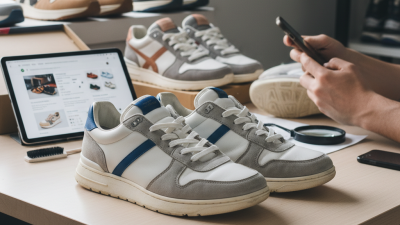
Hybrid walking shoes combine casual styling with practical construction. They often include breathable panels, shock-absorbing midsoles, and reinforced toe areas. These features suit people who move between offices, sidewalks, and public transport. Flexible loafers offer another option, using soft leather-like materials and cushioned footbeds. In my experience, a softer upper feels better at first, but it may crease quickly. Buyers should check stitching, sole flexibility, and heel stability before choosing a pair. Comfort is personal, and appearance can hide poor support.
Exploring the Top Casual Shoe Types for Everyday Wear
Everyday casual shoes in 2026 are becoming more practical, flexible, and quietly expressive. Retro running shoes remain popular because their cushioned soles support long walks and busy commutes. Low-profile leather sneakers offer a cleaner look with jeans, trousers, or relaxed office clothing. I have found that breathable linings matter more than appearance during warmer months. Feet notice the difference.
Slip-on canvas shoes suit quick errands and travel days.
They are light, easy to pack, and comfortable without complicated fasteners. Casual loafers add polish while preserving an informal feel. Look for flexible uppers and padded footbeds. Stiff soles can become tiring after several hours. That detail is often overlooked.
Mary Jane flats and simple fisherman sandals also fit everyday wardrobes.
Their secure straps help during walking, while open designs improve airflow. However, sandals may offer less protection on crowded streets or uneven paths. No type works perfectly for everyone. Foot shape, climate, walking habits, and personal support needs should guide the choice. I still sometimes choose style over comfort, then regret it before dinner.
A reliable casual shoe should bend naturally, grip dry surfaces, and leave enough room around the toes. Testing both shoes late in the day gives a more honest fit.
Matching Casual Shoe Styles with Different Outfits and Occasions
What Are the 2026 Top Fashion Casual Shoe Types?
Casual shoes now need to move across settings. Low-profile sneakers suit straight-leg trousers, denim, and relaxed tailoring. Choose clean leather or recycled-textile uppers for offices and travel days. Canvas slip-ons work with shorts and cotton dresses during warm weekends. Loafers add polish to wide trousers, but thin socks can feel uncomfortable after long walks.
The World Footwear Yearbook 2024 reported 23.9 billion pairs produced globally in 2023. That scale reflects huge demand, but it also raises questions about durability and overconsumption. Versatile shoes can reduce unnecessary purchases when one pair serves commuting, dining, and casual meetings. For rainy streets, rubber-soled derby shoes offer better grip than smooth fashion soles. Chunky trainers pair well with cargo trousers, yet they can overpower slimmer outfits. Proportion matters more than trend labels.
Tips: Match the shoe’s visual weight to your trousers. Test arch support before a full-day trip. Leave about one centimeter beyond your longest toe. I sometimes choose style first and regret it by evening. That mistake remains useful. Check heel slip, toe pressure, and sole flexibility in real movement. The 2024 American Podiatric Medical Association footwear guidance also stresses proper fit and supportive construction, especially for extended walking. A polished outfit still fails when every step feels forced.
2026 Top Fashion Casual Shoe Types
The chart compares common casual shoe categories by their suitability for everyday outfits and occasions. Scores are an editorial versatility index from 1 to 10, based on styling flexibility, comfort, dress-code range, and seasonal practicality rather than brand or company sales data.
Choosing the Right 2026 Casual Shoes for Comfort and Personal Style
What Are the 2026 Top Fashion Casual Shoe Types?
Choosing the Right 2026 Casual Shoes for Comfort and Personal Style
Casual shoes in 2026 will focus on comfort, flexibility, and quiet personal style. Low-profile trainers, lightweight walking shoes, soft loafers, and flexible slip-ons should remain practical choices. Grand View Research projects steady growth in the global casual footwear market through 2030, with comfort supporting this demand. McKinsey’s State of Fashion 2025 also describes a value-conscious consumer, making versatile shoes more attractive than short-lived statement pieces.
Fit still matters more than trend forecasts. A walking shoe should bend near the toes, not under the middle arch. A casual loafer needs enough heel grip to prevent sliding on smooth floors. For long commutes, choose cushioned midsoles and breathable uppers. Leather may offer structure, while knitted or mesh materials can reduce heat. However, cushioning is not automatically better. Too much softness can feel unstable after several hours. Personal testing remains essential, and online size charts can be imperfect.
Tips: Match the shoe to your routine. Try it with your usual socks and walk for ten minutes. Check toe space before judging appearance. Keep one versatile neutral pair, then add a textured or colored style for personality. Rotate pairs between busy days. This simple habit may reduce odor and uneven wear, though it cannot fix poor construction. Look for secure stitching, balanced soles, and removable insoles when possible.