Choosing the best Camper Shoes for 2026 is not just about color or silhouette. It means finding a pair that suits your plans, your feet, and the surfaces you actually walk on. Camper’s range spans everyday leather shoes, lightweight sneakers, and distinctive designs with chunkier soles. That variety is useful. It can also make choosing harder.
The market is broad. Grand View Research estimated the global footwear market at $454.7 billion in 2023 and projected a 4.3% compound annual growth rate from 2024 to 2030. This figure covers footwear overall, not Camper’s sales, so it offers context rather than proof of brand performance. Fit deserves closer attention. Footwear biomechanics researcher Benno Nigg’s comfort-filter principle offers a practical takeaway: prioritize the shoes that feel comfortable on your own feet. Treat that as guidance, not a guarantee; comfort can change over a long day.
Small details matter. Check toe room, heel hold, sole flexibility, and how the shoe feels after several minutes of walking. A polished product photo cannot tell you everything. Nor can a popular review replace an in-person fit check. For 2026, this guide compares Camper Shoes by intended use, construction, comfort considerations, and value, while distinguishing verifiable product details from personal preference. One caveat: no single model suits every foot. That is easy to forget when a striking design catches your eye.
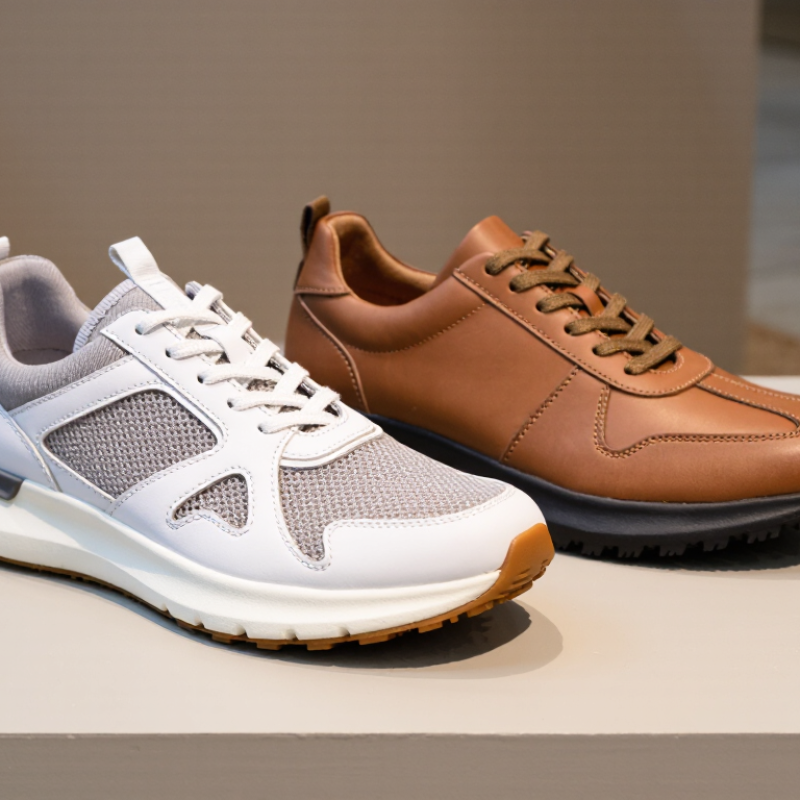
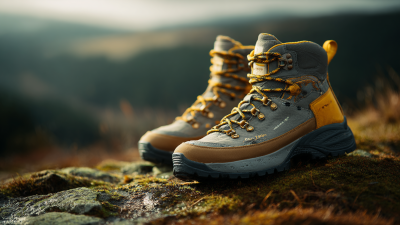
A camper shoe in 2026 is a practical hybrid: comfortable enough for long walks, yet sturdy enough for uneven paths and campsite chores. Fit comes first. The toe box should let your toes spread without rubbing, while the heel stays secure on slopes. Try shoes late in the day, when feet may be slightly swollen, and test them with the socks you plan to wear.
Look for a flexible sole with dependable grip, especially on wet pavement, packed dirt, or loose gravel. A modestly cushioned midsole can soften hard ground without making the shoe feel unstable. Breathable uppers help on warm walks; tougher overlays may resist scuffs from rocks and gear. No material does everything well. Water resistance can also reduce airflow, so match the shoe to your usual conditions rather than chasing every feature.
A useful camper shoe should feel natural during ordinary errands, not just look ready for a trail. Check whether it bends where your foot bends, and walk down a ramp to spot heel slip. Specs can narrow the choices, but they cannot predict comfort for every foot. That part is frustrating. If a shoe needs a long break-in to stop pinching, it may simply be the wrong fit.
What Are the Best Camper Shoes for 2026?
Comparing camper shoes starts with the job they need to do. For long pavement walks, look for cushioning that feels stable, a flexible forefoot, and enough toe-room to wiggle without slipping. For gravel paths, prioritize a secure heel and outsole grip. The Outdoor Industry Association’s 2024 Outdoor Participation Trends Report counted 175.8 million U.S. outdoor recreation participants in 2023. That figure is a reminder that “walking shoe” can mean very different terrain. ASTM F2913-19 describes a test method for measuring footwear slip resistance, but a test result cannot tell you whether a shoe will rub your heel. No chart predicts every sore spot. That is the awkward part.
Fit changes the comparison. Try shoes later in the day, when feet may be slightly fuller, and wear the socks you expect to use. Walk on a hard floor; check that your heel stays put and your toes do not press the front on a downhill step. Compare both feet, since they may differ. Comfort is personal, and a soft first step is not proof of a good fit.
Tips: Test each pair for several minutes, then check for pressure at the toes, arch, and heel. Choose the pair that stays comfortable while moving, not just while standing. If discomfort persists, reassess the fit rather than hoping the shoe will fix itself.
| Shoe type | Best suited to | Comfort and cushioning | Fit considerations | Grip and protection | Main trade-off |
|---|---|---|---|---|---|
| Lightweight trail shoe | Day hikes, camp chores, and mixed paths in mild conditions | Usually flexible and relatively light; cushioning varies by model | Check toe-room on descents and secure heel hold; fit with hiking socks | Tread is designed for trails, but protection and stability vary | Less protection and support than a more substantial hiking shoe |
| Low-cut hiking shoe | Established trails, campsite walking, and moderate day hikes | Often balances cushioning with a stable, supportive feel | Look for a snug midfoot, comfortable forefoot width, and no heel slipping | Typically more underfoot structure and toe protection than casual shoes | Low collar offers less ankle coverage than a boot |
| Mid-height hiking boot | Rough trails, heavier packs, and trips where added coverage is useful | A stiffer platform can feel supportive, though it may need a break-in period | Try with intended socks; allow toe-room while keeping the heel secure | Higher collar and sturdy construction can add coverage on uneven ground | Heavier and warmer than most low-cut options; a boot does not prevent every ankle injury |
| Approach shoe | Rocky approaches, scrambling, and camps near rugged terrain | A firmer, more precise feel can improve control on rock but may feel less plush | Fit should hold the foot securely without pinching; toe shape matters for precision | Often has a grippy outsole and protective toe area for rocky routes | Can be less comfortable for long, smooth-road walks or all-day casual wear |
| Waterproof hiking shoe | Wet grass, shallow puddles, and cool or changeable weather | Comfort depends on lining, cushioning, and temperature; waterproofing can reduce airflow | Check fit with thicker socks if needed and avoid a tight fit that restricts toes | A waterproof membrane can resist water entry, but water may still enter over the collar | Often less breathable and slower to dry if water gets inside |
| Camp sandal | Warm-weather campsite use, river access, and short, easy walks | Open construction allows airflow; strap comfort and footbed shape are important | Adjustable straps should hold the foot without rubbing; test on a short walk first | Traction differs widely; open toes leave feet exposed to rocks and debris | Usually unsuitable as a substitute for closed-toe footwear on rough trails |
Fit tip: Try shoes later in the day, when feet may be slightly larger, and walk on an incline if possible. The best choice depends on terrain, weather, pack weight, and personal fit; shoe categories alone do not guarantee comfort or performance.
In 2026, standout camp-ready styles are likely to include trail-inspired low-tops, fisherman sandals, and soft retro runners. Their appeal is practical: each can move from a campsite path to a city sidewalk. The Outdoor Industry Association’s 2024 Outdoor Participation Trends Report counted 175.8 million U.S. outdoor participants in 2023, or 57.3% of the population. That figure does not predict shoe sales, but it supports interest in versatile, walk-ready designs. Look for flexible tread, secure straps, and uppers that dry quickly. Grip matters.
Retro runners suit paved routes and travel days, while fisherman sandals offer airflow and a more secure feel than loose slides. Comfort deserves equal billing with appearance. The American Podiatric Medical Association’s 2014 survey found that 77% of U.S. adults had experienced foot pain. It is older evidence, but a useful reminder to check fit, cushioning, and toe room. Try shoes later in the day, when feet may be slightly larger. One caveat: chunky soles can look capable yet feel clumsy on narrow paths. I would not assume rugged means comfortable; that is an easy mistake.
Choosing the right camper shoes starts with the ground you expect to cover. For packed paths and campsite chores, prioritize a flexible sole, secure heel, and breathable upper. On rocky routes, look for deeper tread and a protective toe. Try shoes late in the day, when feet may be slightly swollen, and wear the socks you plan to hike in. Leave a thumb’s width at the front. Then test them on a ramp or uneven pavement.
Fit matters more than a long feature list. The American Podiatric Medical Association’s 2014 foot-health survey found that 77% of U.S. adults had experienced foot problems. That is not proof that poor shoes caused them, but it is a useful reason to take pressure points seriously.
Walk for several minutes and check for rubbing at the heel, tightness across the forefoot, or toes hitting the front on a descent. Small discomfort can become irritating after hours.
No shoe wins every trail. A grippy, sturdy pair may feel warm on a sunny walk, while a light pair may lack support on loose stones. I still overpack features sometimes. Choose for your usual terrain, not the most dramatic trip you might take.
Before buying camper shoes, check the fit late in the day, when feet may be slightly larger. Wear the socks you expect to use outdoors. Your toes should move freely, while your heel stays secure on a short walk. Try a slope or stairs if possible; slipping inside the shoe can cause rubbing. Small details matter.
Look closely at the materials. A breathable upper can feel more comfortable in warm weather, while a tougher, water-resistant finish may suit damp paths. Check the sole for flexible movement and a tread pattern that grips the surfaces you actually walk on. Bend each shoe gently. It should flex near the ball of your foot, not collapse in the middle. Labels can help, but they do not replace trying the shoes on.
Care needs to match the material. Brush off dry dirt before it gets ground into seams, then follow the maker’s cleaning instructions. Let damp shoes air-dry away from direct heat, which can weaken adhesives or stiffen some materials. Rotate pairs when you can. That takes space, and not everyone has it. I would also avoid assuming “water-resistant” means waterproof; the wording is easy to overlook, and it can change how the shoes perform on a wet morning.