China Best Canvas Bags for Women Manufacturers
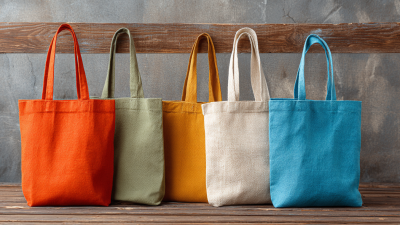
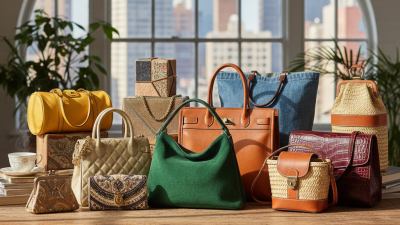
Choosing reliable China Best Canvas Bags for Women Manufacturers requires more than comparing prices or browsing polished product photos. A capable supplier should understand fabric weight, stitching tension, lining structure, handle reinforcement, and everyday comfort. These details shape how Canvas Bags For Women perform at markets, offices, travel terminals, and busy city streets. Experienced manufacturers can explain canvas grades, recycled fiber options, colorfastness testing, and production timelines without hiding practical limitations.
Look closely at the process. Ask for physical samples, not only digital images. Check the bag’s seams, zipper movement, pocket depth, and base stability. A useful factory should provide clear specifications, quality-control records, and honest communication about minimum order quantities. Independent audits and recognized material certifications can strengthen trust, but documentation must be verified for the actual product. Some suppliers may claim premium workmanship while using weak thread or inconsistent sizing. That deserves attention.
The best choice depends on your market, budget, design needs, and expected use. A lightweight tote may suit promotional campaigns, while a structured shoulder bag needs stronger canvas and reinforced handles. Small details matter. Still, no manufacturer is perfect. Sampling may reveal uneven printing, delayed replies, or packaging concerns that product pages never mention. Treat those findings as valuable evidence, not minor inconvenience. By comparing several factories across craftsmanship, transparency, customization, and after-sales support, buyers can make a more informed decision and build a dependable long-term partnership.
Canvas Bags for Women: Uses, Materials and HS 4202 Trade Data (ITC)
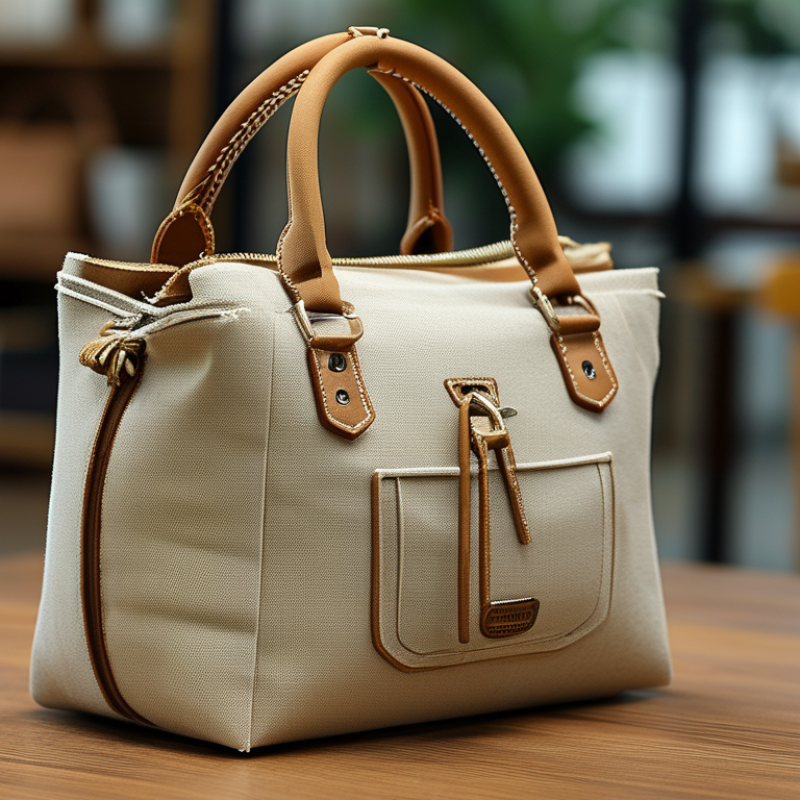
Canvas bags for women combine practical storage with a softer, everyday appearance. Many shoppers use them for commuting, grocery trips, study materials, and short weekend travel. Their performance depends on fabric weight, stitching, handle length, and pocket design. A 10–16 ounce cotton canvas often feels firm without becoming uncomfortable. Recycled cotton can reduce virgin fiber use, although its texture may vary between production batches.
Material choice deserves careful review. Cotton canvas offers breathability and a natural hand feel. Polyester blends usually resist moisture and abrasion better. Waxed or coated surfaces improve protection, but they can reduce recyclability and change the bag’s appearance over time. In factory inspections, I would check seam density, bar-tack reinforcement, zipper movement, lining quality, and handle strength. Small flaws matter. A beautiful sample may still fail under daily weight.
For international sourcing, HS 4202 is a useful starting point for trade research. It commonly covers handbags, shopping bags, travel bags, and similar containers, including products with textile outer surfaces. However, classification depends on construction, function, and the importing country’s tariff interpretation. ITC trade data can help compare export values, import demand, partner markets, quantities, and yearly changes. Do not treat one database figure as final evidence. Confirm the precise national tariff line, product description, reporting period, and customs guidance before estimating landed costs. Data can look clear, yet classification differences may distort comparisons.
China’s Manufacturer Landscape: HS 4202 Export Statistics (ITC Trade Map)
China Best Canvas Bags for Women Manufacturers
ITC Trade Map, using UN Comtrade data, recorded China’s HS 4202 exports at roughly US$26 billion in 2023. This heading covers handbags, travel bags, backpacks, and similar containers. It does not isolate canvas bags. That limitation matters.
The textile-surface subheading, HS 4202.92, offers a closer market signal. Exporters should compare value, quantity, and unit price by destination. A rising unit price may reflect heavier canvas, better hardware, or simply currency changes. The data needs careful reading.
China’s manufacturing landscape remains broad, with clusters offering cutting, stitching, printing, and packaging together. In factory audits, buyers should verify fabric weight, seam strength, colorfastness, and production capacity. Request recent test reports and shipment records. Paperwork can look perfect.
ITC statistics also show strong demand across North American, European, and Asian markets, but country-level results vary sharply. Tariff rules and freight costs can change supplier comparisons. Smaller workshops may provide more flexible sampling, while larger facilities often manage steadier output. Neither option is automatically safer. My practical concern is consistency: a sample may feel dense and durable, while bulk fabric feels noticeably lighter. Independent inspection remains sensible before final payment.
Fabric Quality Benchmarks: GSM, ISO 6330 Testing and REACH Requirements
China Best Canvas Bags for Women Manufacturers
For women’s canvas bags, fabric quality starts with measurable GSM, not appearance alone. GSM means grams per square metre. A practical range is 270–540 GSM for structured everyday bags. Lighter 220 GSM canvas feels softer, but may sag under heavier loads. Higher GSM improves body and abrasion resistance, yet can reduce comfort. This range is useful, not absolute. Cotton weave, yarn count, finishing, and lining also affect performance. Textile Exchange’s Materials Market Report 2024 recorded global fibre production at 124 million tonnes in 2023, showing why responsible material selection deserves closer attention.
ISO 6330 testing adds real-world evidence. The standard defines domestic washing and drying procedures for textile testing. A supplier should test dimensional change, colour change, and seam appearance after repeated cycles. Ask for the exact method, temperature, detergent, and number of washes. “Tested” alone is too vague. In practice, three cycles may reveal shrinkage, while five or more cycles expose weaker finishing. Buyers should compare pre-wash and post-wash measurements. A small weakness here can become a customer complaint later.
Tips: Request a fabric specification sheet and independent test report. Confirm GSM from multiple fabric points, because one sample can mislead. Check REACH compliance through current ECHA requirements, including Substances of Very High Concern above 0.1% in articles. Screen dyes, coatings, prints, and metal accessories separately. Suppliers should retain test records and material declarations. A certificate without traceable laboratory details needs reflection.
How to Evaluate the Best Suppliers: MOQ, Lead Time and QIMA Audits
China Best Canvas Bags for Women Manufacturers
When evaluating canvas bag suppliers in China, start with MOQ, not attractive photos. A supplier may quote 500 pieces, but fabric colors can require separate minimums. Ask whether the MOQ applies per style, color, or total order. Request a written breakdown. I once saw a low MOQ become expensive after custom labels and packaging were added.
Lead time needs careful checking. Separate sample production, material purchasing, bulk sewing, inspection, and shipping preparation. For example, 2,000 cotton tote bags may need 7 days for samples and 25 days for production. Confirm the delivery date in writing. Ask what happens if fabric arrives late. Suppliers should provide production photos and weekly updates, although updates can still miss small quality problems.
Tips: Use a QIMA audit before placing a large order. Define the audit scope clearly, including factory capacity, worker conditions, equipment, material storage, and quality procedures. Compare the report with your supplier’s claims. Also request pre-shipment inspection for stitching, handle strength, dimensions, stains, and print alignment. Keep a sealed reference sample. It helps settle disputes. No audit is perfect, and my own early checks sometimes focused too much on appearance. Construction details mattered more.
How to Evaluate Canvas Bag Suppliers: MOQ, Lead Time and QIMA Audit Readiness
Use these buyer-defined screening benchmarks when comparing women’s canvas bag manufacturers. They are practical evaluation thresholds, not company-specific market averages.
Reading the chart: Lower values are preferred for MOQ and lead time, while a higher percentage is preferred for audit readiness. A supplier meeting all three benchmarks may be more suitable for flexible, quality-focused purchasing.
Sustainable Manufacturing: GRS, OEKO-TEX and Textile Exchange Data
China Best Canvas Bags for Women Manufacturers
Sustainable manufacturing begins with evidence, not attractive product photos. Experienced canvas bag manufacturers should explain their material sources, factory controls, and certification scope clearly. GRS can verify recycled content and supply-chain processing when the certificate covers the relevant facility and product. OEKO-TEX testing helps assess harmful substances in fabric, thread, prints, and trims. These checks matter for women’s bags that touch clothing and skin during daily use.
Tips: Ask for current certificates, testing reports, and transaction records. Check the certificate holder, factory address, product scope, and expiry date. Request a pre-production sample made with the same canvas, lining, dye, and hardware. Textile Exchange data can support preferred fiber claims, recycled input calculations, and traceability records. Do not accept vague percentages.
A reliable manufacturer also measures fabric weight, stitching density, handle strength, and color consistency. In practical inspections, a 12-ounce canvas may feel sturdy, yet weak seams can still fail under a full laptop load. Certification does not guarantee perfect workmanship. That needs sampling and testing. Some factories document recycled content carefully but overlook packaging or production waste. Honest reporting should include these gaps. Clear records, repeatable inspections, and realistic claims create stronger purchasing decisions for long-term canvas bag programs.