Best Second Hand Clothes Seller Tips for Global Buyers?
In today's fashion landscape, the role of a Second Hand Clothes Seller is increasingly significant. With eco-conscious consumers on the rise, many are turning to second-hand options. This shift reflects a growing awareness of sustainability and unique personal style. Sellers have the opportunity to attract global buyers by following certain tips.
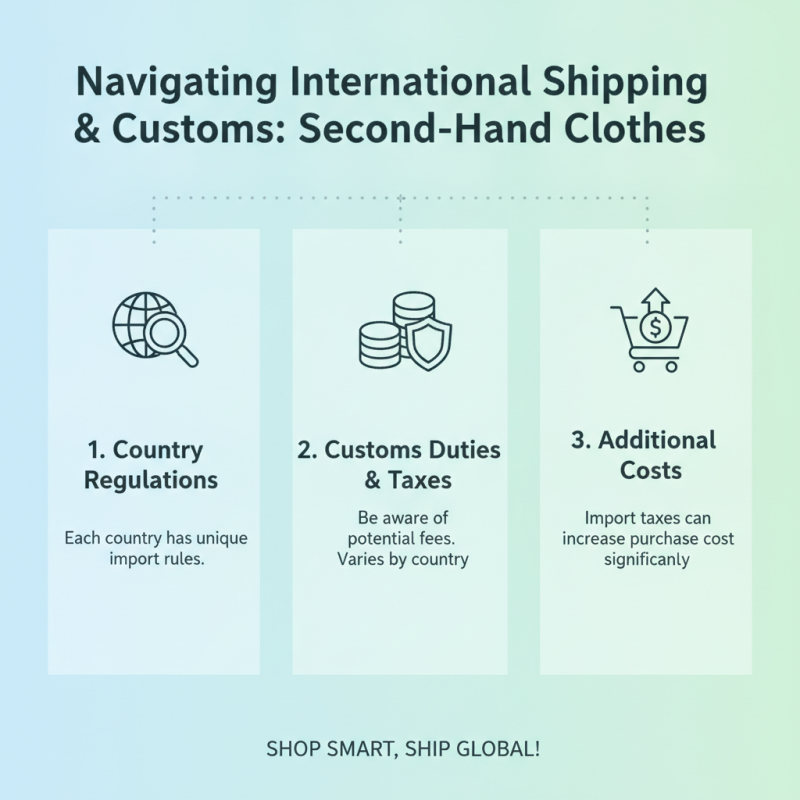
First, establishing a reliable online presence is crucial. Building trust through transparent communication can distinguish a seller from competitors. Quality photographs and detailed descriptions are essential in showcasing items effectively. Additionally, understanding and respecting international shipping regulations fosters credibility.
The journey is not without challenges. Sellers may face fluctuating demand, competitive pricing, and varying cultural preferences. These elements require constant reflection and adaptation. A successful Second Hand Clothes Seller embraces these imperfections and learns from them. By focusing on experience and knowledge, sellers can navigate this vibrant marketplace effectively.
Identifying Reliable Second Hand Clothes Sellers Globally
When shopping for second-hand clothes globally, recognizing reliable sellers is crucial. Not all sellers guarantee quality or authenticity. Search for sellers who provide detailed product descriptions. Clear images can also help verify the condition of items. Look for reviews or testimonials to assess their reputation.
One useful tip is to check the seller's return policy. A fair return policy suggests that the seller is confident in their products. This can also provide peace of mind for buyers. Communication is key; ask questions if you have doubts about an item. Engaging with sellers can reveal their commitment to customer satisfaction.
Sometimes, sellers may not meet expectations. It's important to reflect on the experience and learn from it. If an item arrives in poor condition, consider how the seller could improve their listings. Transparency is vital for building trust. A responsible seller will address concerns promptly, showing their dedication to a positive shopping experience.
Best Second Hand Clothes Seller Tips for Global Buyers
Understanding Quality Standards for Second Hand Clothes
When sourcing second-hand clothes, understanding quality standards is crucial. Buyers should focus on fabric types, stitching quality, and overall garment structure. According to the Textile Exchange, using high-quality materials can increase the lifespan of clothing. Clothing made from natural fibers like cotton or wool tends to last longer than synthetic options.
Buyers should also check for wear and tear, ensuring that seams are intact and zippers function well. A report from the Global Fashion Agenda states that around 70% of discarded textiles could be reused or recycled. This highlights the importance of purchasing durable second-hand items. Consumers have the power to promote sustainability by choosing quality and avoiding fast fashion.
While second-hand shopping can be rewarding, it's important to approach it with a critical eye. Some items may come with hidden flaws. For example, a vintage garment may have undetectable stains or fading. It’s essential to weigh the age of the item against its condition. This thoughtful examination helps buyers make informed choices while contributing to a more sustainable fashion industry.
Negotiating Prices and Terms with Second Hand Clothing Sellers
Negotiating prices with second hand clothing sellers can be a delicate process. According to a 2022 report by ThredUp, the resale market is expected to reach $82 billion by 2026, indicating a growing interest in sustainable fashion. Buyers can benefit from this trend by honing their negotiation skills.
When approaching sellers, research is vital. Understand the market value of the items you’re interested in. Many sellers expect buyers to negotiate. Start with an offer below your budget to leave room for discussion. Be polite; a friendly approach can yield better results. Data from The RealReal shows that items priced lower have a higher turnover rate—another reason to negotiate hard.
Consider the seller’s perspective as well. They might have invested time and effort in sourcing their items. A good negotiation acknowledges this. Sharing your knowledge about the item’s condition or market demand can build rapport. Remember, negotiation is not just about price; it's also about establishing trust. Healthy interactions can lead to better deals in the future. If the seller is hesitant, be prepared to walk away; this shows seriousness.
Utilizing Online Platforms for Sourcing Second Hand Clothing Globally
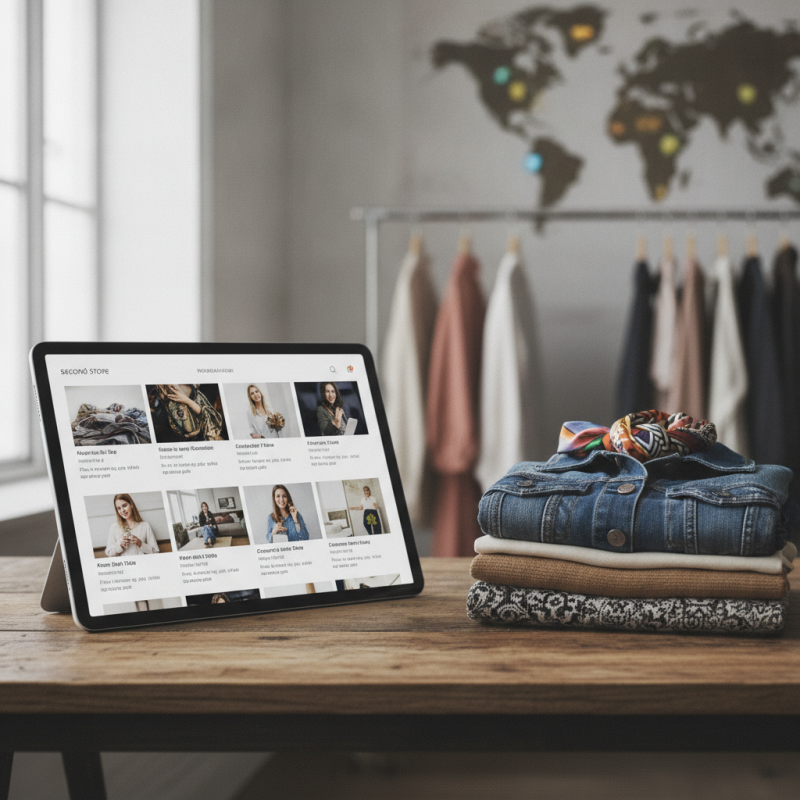
When sourcing second-hand clothing globally, online platforms can be a game-changer. Websites dedicated to second-hand sales provide a vast selection of items. Buyers can filter their searches by size, style, and price, making it easy to find exactly what they need. Photos and descriptions help buyers assess the quality of each item before making a purchase.
Navigating these platforms requires a discerning eye. While many listings look appealing, some may misrepresent the item’s condition. It's crucial to read reviews and check seller ratings to ensure reliability. Engaging with the seller can also clarify any doubts. Ask questions about measurements, fabric, and history. This interaction can lead to better purchasing decisions and build trust.
Connecting with community forums can further enhance the experience. Other buyers often share tips on finding hidden gems and avoiding scams. They can offer insights on trends and popular styles in specific regions. While the journey of sourcing second-hand clothing through online platforms may not always be flawless, with diligence, it can be rewarding. Engage, learn, and enjoy the process of finding unique pieces that tell a story.