What Are the Best Vintage Bags to Buy in 2026?
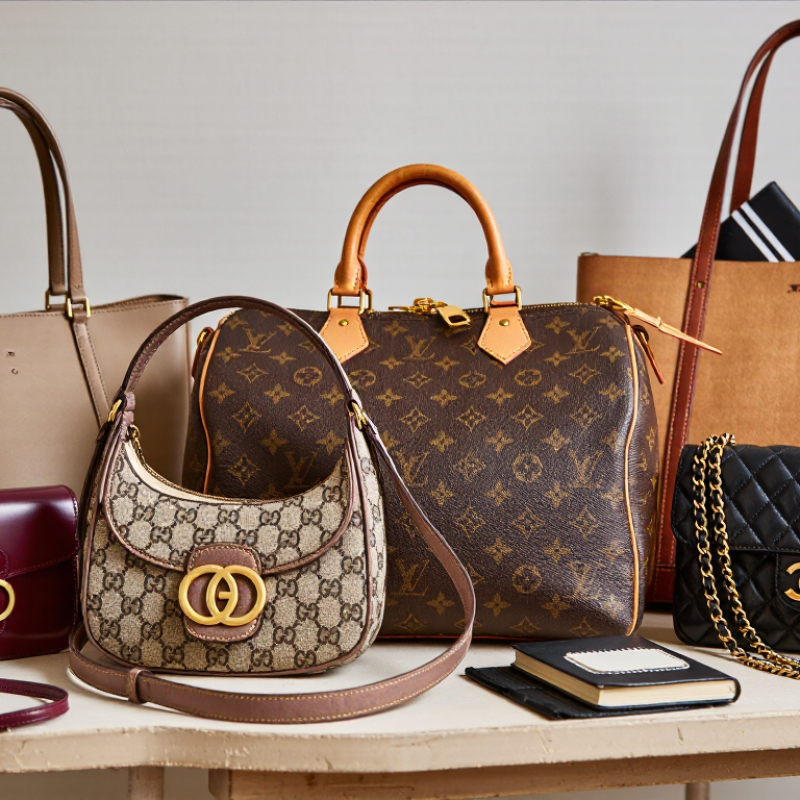
Choosing the best Vintage Bags to buy in 2026 depends on more than a famous label. A good choice should suit your daily routine, feel comfortable to carry, and show condition that matches its price. The classic Louis Vuitton Speedy, Gucci Jackie, and Chanel flap bag remain recognizable options, but popularity alone does not make any bag right for you. A smaller shoulder bag may work better for crowded commutes, while a roomy tote can handle a notebook, wallet, and everyday essentials.
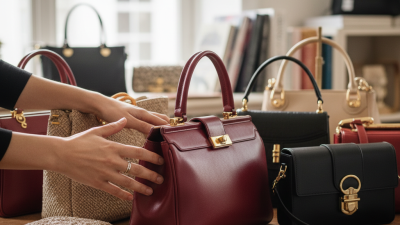
Inspect the bag in natural light, if possible. Look closely at the corners, handles, stitching, lining, and metal hardware. Check for uneven repairs, strong odors, peeling surfaces, or stains that photographs might hide. Ask for clear pictures and any available purchase records. Small details matter. Date codes or serial markings can vary by model and era, so treat them as clues, not standalone proof of authenticity. When the price is significant, consider an independent authentication service with relevant expertise.
Popular styles can be easier to recognize, but their condition and price vary widely. A well-used bag may still be a sensible personal purchase; it is not automatically a reliable investment. Prices shift, and resale value is never guaranteed. This guide compares enduring designs, practical features, and inspection points to help you make a more informed choice. Expect a little uncertainty. Vintage pieces have histories, and some wear cannot be neatly explained. The best buy may be the bag you will genuinely carry, not the one that looks most impressive on a shelf.
What Makes a Vintage Bag a Worthwhile Buy in 2026
A worthwhile vintage bag in 2026 is not simply old or photogenic. It should suit your daily routine, feel comfortable when carried, and remain sturdy under close inspection. Check the handle stitching, corner wear, lining, closures, and any repairs. Ask for clear photographs and a written condition description. A low price can be tempting, but a cracked strap may cost more to fix than expected. I have learned that “patina” sometimes just means damage.
The market offers a useful backdrop, but not a guarantee of value. ThredUp’s 2024 Resale Report, prepared with GlobalData, found that the U.S. secondhand apparel market grew 14% in 2023, while the broader retail clothing market grew 2%. The report tracks apparel overall, not vintage bags specifically. Still, it suggests resale is becoming more familiar to shoppers. For a bag, practical signs matter more: sound construction, a shape you will actually use, and a price supported by comparable sales. Sentiment is real. It is not a valuation method.
Tips: Measure the bag against one you already carry. Test the clasp and zipper gently. Request close-ups of worn corners and interior seams. Keep repair costs in your budget, and save the listing and condition notes. If key details are missing, pause. A little uncertainty is normal; avoidable uncertainty is not.
Which Vintage Bag Styles Offer Lasting Appeal
Vintage bags with lasting appeal tend to have clear shapes and useful proportions. A compact top-handle bag works for dinners and daytime errands, while a soft shoulder bag suits daily essentials. Simple flap styles remain practical when their closures still hold securely. Quiet shapes endure.
Material and construction matter more than a fashionable silhouette. Check the stitching around handles, the lining beneath the pockets, and the edges where wear often appears first. A sturdy leather bag may develop a warm patina, but deep cracks or a failing strap can limit its use. Condition varies widely, so inspect the actual bag rather than relying on polished photographs.
Choose a size that fits what you carry, not just what looks charming on a shelf. Neutral colors can pair easily with changing wardrobes, though a muted red or green may feel more personal. That choice is subjective. Vintage pieces can also show repairs, odors, or uneven fading; ask clear questions and include care or restoration costs in your budget. A little wear may add character, but it should not make the bag difficult to use.
How to Compare Materials, Craftsmanship, and Resale Value
When comparing vintage bags, start with material and construction, not the resale estimate.
Bain-Altagamma’s 2024 Luxury Goods Worldwide Market Study put the global secondhand luxury market at about €48 billion, with roughly 7% growth. That figure covers more than bags, so treat it as market context, not a promise of future returns. For a leather piece, check whether the surface wears evenly, the edges are intact, and the lining has no hidden tears. A few softened corners can be honest signs of use. Loose stitching or a warped frame may signal costly repairs.
Craftsmanship shows in small details.
Look closely at stitch spacing, handle attachment points, closures, and the way the bag holds its shape when empty. Ask for clear photographs of flaws and written details about repairs. Original receipts or care records can help, but they do not replace independent authentication. Resale value depends on demand, condition, rarity, and how easily a buyer can verify the item. I would not assume an older bag is automatically a better investment. Sometimes it is simply old.
Tips: Compare recent completed sales for similar materials, size, and condition—not asking prices. Keep the purchase record and store the bag away from direct sunlight. Even careful storage cannot stop every mark.
How to Check a Vintage Bag’s Authenticity and Condition
A vintage bag’s details should tell a consistent story. Check the stitching, edge finishing, lining, hardware, and interior markings together; no single stamp proves authenticity. Look closely at how the parts meet. Uneven seams, fresh glue, or mismatched materials may deserve questions, though age and past repairs can explain some irregularities. Compare the bag with reliable reference photographs from the same period, not just similar-looking listings. Ask for clear pictures of the base, corners, interior, and any identifying marks. Keep the seller’s answers and condition description in writing.
Inspect it in soft daylight. Feel the handles and corners for cracking, sticky coatings, or thinning material. Open and close each fastener gently. Check seams for loose threads, the lining for stains, and pockets for hidden wear. Notice the smell, too; a strong musty odor can be difficult to remove. Small scuffs may be honest signs of use. They are not automatically a flaw. But major repairs, replaced parts, or weakened structure can affect both value and everyday use. When details remain uncertain, seek an independent specialist’s opinion before buying. Even careful inspection has limits. That uncertainty is worth acknowledging.
Where to Shop for Vintage Bags and How to Care for Them
Vintage bags are easiest to shop for when you know what you will carry. Measure a bag you already use, then compare its width, strap drop, and interior layout. Browse reputable vintage shops, established resale platforms, and local consignment stores with clear condition grades and return terms. Ask about repairs, storage, and provenance; request close-up photos of corners, handles, seams, and hardware. A neat exterior can hide a tired lining.
The market is growing, but that does not make every old bag a sound purchase. GlobalData’s 2024 resale analysis estimated that the global secondhand apparel market could reach $350 billion by 2028. That figure covers apparel broadly, not bags alone, so treat it as context rather than proof of a bag’s value. Compare similar pieces, factor in repair costs, and be wary of unusually low prices or vague descriptions. I would rather accept a small scuff than pay extra for a condition claim I cannot verify.
Tips: Store bags upright in a cool, dry place, away from direct sun. Use a soft cloth and a suitable cleaner only after testing a hidden spot. Keep leather away from excess moisture, and do not overfill the shape. For cracked handles or loose seams, consult a leather-care professional; home fixes can leave permanent marks. Dust bags help, but they are not magic.