What is the Best Way to Buy Used Clothing Shoes?
When it comes to buying used clothing shoes, many people hesitate. The market is flooded with options. You can find gems, but there are pitfalls. Understanding where to look is key.
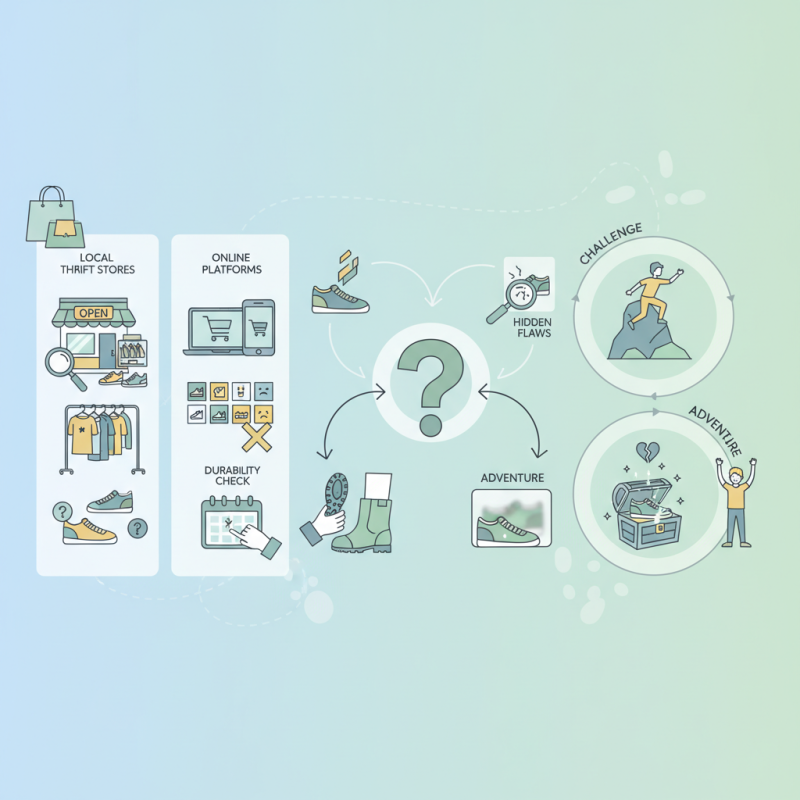
Local thrift stores often have a diverse selection. However, the quality can vary widely. Online platforms provide convenience and variety. Yet, lack of personal inspection can lead to disappointment. High-quality photos do not always tell the whole story.
Buyers should also consider the shoe's history. Past wear can affect both comfort and durability. Sometimes, shoes may look good but have hidden flaws. It requires careful inspection and consideration. It’s this process that makes buying used clothing shoes both a challenge and an adventure.
Factors to Consider When Buying Used Clothing and Shoes
When buying used clothing and shoes, several important factors come into play. Condition is key. Look for items with minimal wear. Check for signs of damage or excessive fading. A small tear might be fixable, but ignored items can’t be.
Always inspect stitching and zippers, as they often show more wear.
Fit is also essential. Sizes can vary across brands. What fits perfectly in one brand may not fit at all in another. It’s essential to try items on whenever possible. If you’re shopping online, check the seller's return policy. Sometimes, a great deal doesn’t mean it will fit well.
Tips: When you find a piece you like, visualize it in your wardrobe. Will it match your style? Consider the cost. Just because it’s used doesn’t mean it’s a great buy. Sometimes the price doesn’t reflect the value. Take your time to think. Good habits in thrifting will pay off.
Best Platforms for Purchasing Second-Hand Clothes and Footwear
Buying used clothing and shoes can be exciting and sustainable. Many platforms offer a wealth of second-hand options. Start by exploring online marketplaces, where you can find unique items. You can also check local buy-sell-trade groups on social media. These spaces are often full of hidden treasures.
When shopping for used clothing, consider the quality. Inspect images carefully. Always ask for extra details if something seems off. Look for signs of wear, like fading or fraying. It’s essential to ensure that what you buy can withstand regular use.
Tips: Set a budget before you browse. This helps prevent impulse buys. Keep a list of what you need, too. It’s easy to get lost in the options. Lastly, don’t be afraid to negotiate prices. Sellers may be open to good offers. Just be polite and respectful in your conversations.
Best Platforms for Purchasing Second-Hand Clothes and Footwear
Understanding Price Points: Evaluating Value in Used Apparel
When buying used clothing and shoes, understanding price points is critical. You may find a wide range of prices, even for similar items. This variance often reflects factors like brand, condition, and rarity. Delve into the specifics: the stitching quality, material type, and overall wear can help you gauge value. A pair of vintage shoes might cost more due to their uniqueness, while a lightly-used everyday shirt may be priced low.
Don't hesitate to ask questions. A seller’s insight can reveal whether a price is fair. Look for details that may seem minor. A small tear might justify a lower price, but check if it’s easily fixable. Remember, not all used clothing represents good value. Sometimes, the thrill of the hunt can cloud judgment. Reflect on your choices and ask if you're paying for quality or just the thrill of finding something. Price is often an emotional decision. Balance your feelings with practical considerations to ensure you make a wise purchase.
What is the Best Way to Buy Used Clothing Shoes? - Understanding Price Points: Evaluating Value in Used Apparel
| Category |
Average Price ($) |
Condition |
Average Lifespan (Years) |
| Men's Shoes |
45 |
Good |
3-5 |
| Women's Shoes |
40 |
Very Good |
2-4 |
| Children's Shoes |
30 |
Fair |
1-3 |
| Men's Clothing |
50 |
Excellent |
4-6 |
| Women's Clothing |
55 |
Good |
4-5 |
| Accessories |
20 |
Very Good |
2-4 |
Tips for Inspecting Quality and Authenticity of Pre-Owned Items
When buying used clothing and shoes, inspecting for quality and authenticity is crucial. Many online platforms offer second-hand items but can lack transparency. Research shows that nearly 40% of consumers have concerns about the authenticity of pre-owned goods. This uncertainty can be alleviated with careful examination.
Start by looking at the fabric. High-quality items often have a distinct feel. Check for wear and tear, especially in seams and stitching. Items with frayed edges or loose threads might not be worth the investment. Additionally, examine the soles of shoes. Quality footwear retains shape and structure over time. Look for unusual signs, such as mismatched labeling, which can indicate a counterfeit product.
Using a magnifying glass can help spot flaws in fabrics or stitching that the naked eye may miss. Remember, even luxurious items can show signs of wear. Feeling confident in your purchase should come with a tangible check-up. Professionals recommend asking sellers detailed questions about the item’s history. Don't shy away from requesting photos of the item, even from different angles. Following these tips ensures you make well-informed choices when exploring the world of pre-owned fashion.
Environmental Impact of Buying Used vs. New Clothing and Shoes
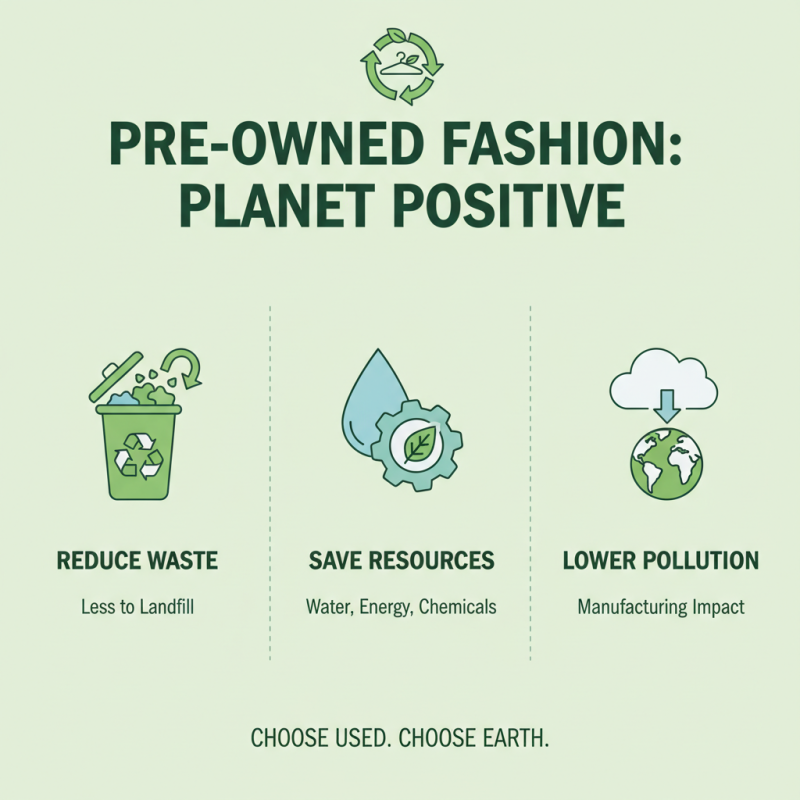
Buying used clothing and shoes has a significant environmental impact. When you choose pre-owned items, you reduce waste. The fashion industry generates massive amounts of pollution. From production to disposal, new clothes take a toll on our planet. It takes water, energy, and often harmful chemicals to create just one piece of clothing. Used items help minimize this burden.
Tips: Look for local thrift shops. They often have unique finds. Online marketplaces can also provide a wide variety. Check the fabric and condition. Sometimes, items need minor repairs. Embrace the imperfect – a small tear can be fixed. Refurbishing gently worn items can give them new life.
Buying used promotes sustainability. It encourages a circular economy. However, it requires a shift in mindset. Think carefully before purchasing new. Ask yourself if you need it. Focus on quality over quantity. When in doubt, opt for a second-hand option. This small change can make a big difference.