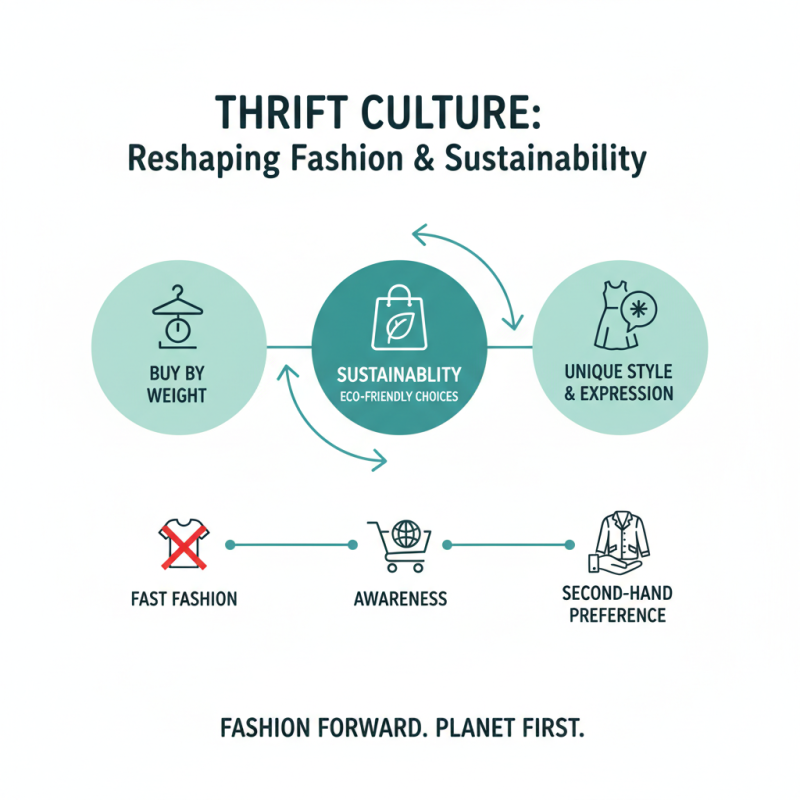
Why is Buying Clothes Per Kg Growing in Popularity?
The concept of "Clothes Per Kg" is reshaping the fashion industry. As consumers seek sustainable options, this innovative buying model gains traction. Industry expert, Dr. Emily Carter, states, “Buying clothes by weight promotes both affordability and sustainability.”
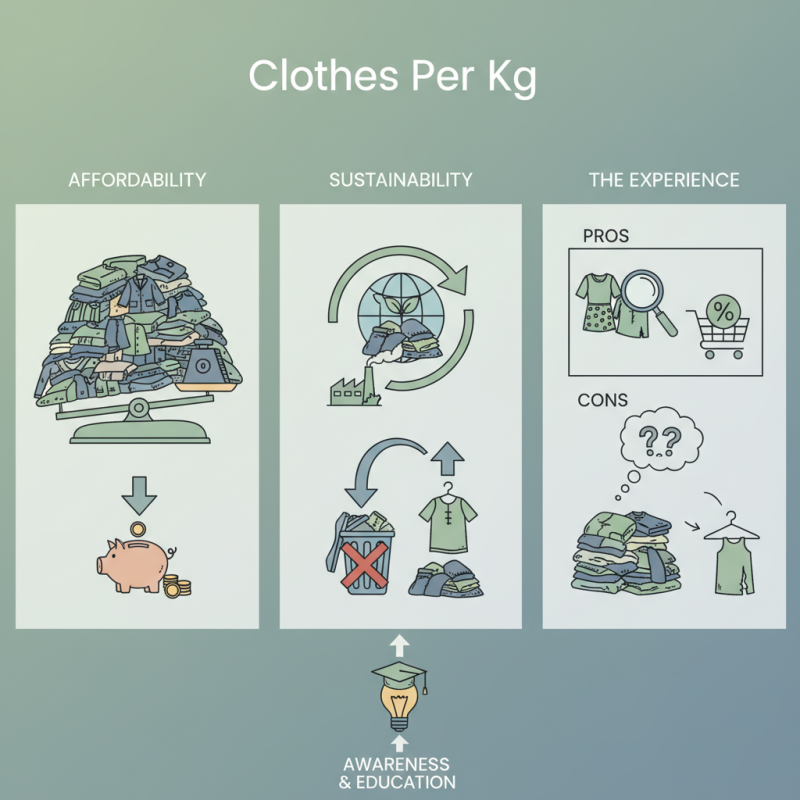
More people are drawn to the allure of purchasing clothes per kilogram. This practice allows for incredible savings while helping reduce textile waste. Customers can find unique pieces at a fraction of traditional retail prices. Yet, the system can be confusing for some buyers.
Navigating through various sizes and styles can be overwhelming. Additionally, the quality of items may vary significantly. It prompts a need for more awareness and education in the marketplace. Overall, the surge in “Clothes Per Kg” is a fascinating development that deserves closer examination.
Understanding the Concept of Buying Clothes Per Kg
The concept of buying clothes per kg is gaining momentum among consumers. This approach offers an interesting twist to standard retail shopping. It allows shoppers to pay based on weight instead of individual pieces. People can curate their style while enjoying a treasure hunt experience.
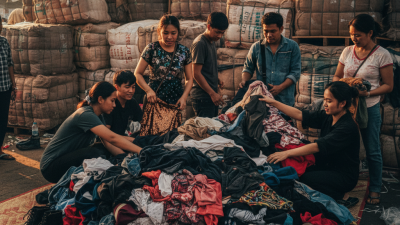
Many are attracted to this model for its affordability. Here, you might find unique vintage pieces or overlooked treasures. However, there are challenges. Sifting through heaps of garments can be overwhelming. It often requires time and patience. Some items may not be in perfect condition. Shoppers must weigh the pros and cons.
Environmental factors also play a role. This trend promotes sustainability by encouraging the reuse of clothes. Reducing waste is important, yet the practice may lead to new challenges. More people shopping this way could strain local resources. There is a need for balance. Consumers are excited, yet they must reflect on the implications of this growing popularity.
The Environmental Impact of Weight-Based Clothing Sales
The rise of weight-based clothing sales has a significant environmental impact. This method encourages consumers to think about how many clothes they truly need. Instead of buying single items, many opt to purchase clothes by weight. This approach can reduce impulse buying. However, it may also lead to overconsumption if not approached mindfully.
Buying clothes per kg can help minimize waste. It encourages recycling and reusing garments. However, some may overlook the benefits of quality over quantity. Fast fashion thrives under this model, promoting cheap, low-quality items. This creates a cycle of waste that contradicts its environmental goal.
Shoppers should consider their choices carefully. Buying less but better is often more sustainable. When clothes are sold by weight, it is crucial to reflect on the real cost to the environment. Weight-based sales can be practical, but we must ensure we protect our planet's resources. Each purchase should reflect a balance between desire and responsibility.
Economic Benefits of Buying Clothes by Weight for Consumers
The trend of buying clothes by weight is rapidly gaining traction among consumers. One key reason behind this growth is the potential for significant economic savings. When purchasing clothing at a per kilogram rate, shoppers can often find hidden gems at a fraction of the retail price. This approach makes fashion more accessible for those on a tight budget. Imagine sorting through racks and discovering unique pieces without breaking the bank.
However, there are challenges to be aware of. The quality of items can vary widely. Some clothes may be damaged or worn, requiring careful inspection. Shoppers might fall into the trap of buying more than they need, drawn in by attractive pricing. This overspend defeats the purpose of saving money. Additionally, some consumers may feel overwhelmed by the volume of choices. Such situations require thoughtful decision-making to ensure each purchase adds value to their wardrobe.
Buying clothes per kg presents an exciting alternative to traditional retail shopping. While the savings potential is appealing, shoppers must stay vigilant. Finding the balance between savings and quality is essential. This shopping method can encourage creativity and sustainability, but it also demands careful consideration to truly benefit consumers.
Why is Buying Clothes Per Kg Growing in Popularity? - Economic Benefits of Buying Clothes by Weight for Consumers
| Category |
Price per Kg (USD) |
Average Weight of Clothing Item (Kg) |
Savings Compared to Traditional Retail (USD) |
Popularity Increase (%) |
| Casual Wear |
5.00 |
0.5 |
25.00 |
20 |
| Formal Wear |
10.00 |
1.0 |
40.00 |
15 |
| Outerwear |
7.50 |
1.5 |
50.00 |
30 |
| Sportswear |
6.00 |
0.8 |
20.00 |
25 |
| Accessories |
12.00 |
0.3 |
10.00 |
18 |
Challenges and Criticisms Associated with Buying Clothes Per Kg
The trend of buying clothes per kilogram is on the rise. Many people are attracted to it for its affordability. However, this shopping method is not without its challenges. There are several criticisms that need to be addressed.
One major concern is quality. Often, clothes sold by weight may not meet durability standards. This can lead to disappointment when items fall apart after just a few wears. Consumers may also struggle to find specific sizes or styles. The lack of organization in weight-based shops can make shopping frustrating.
Another criticism involves sustainability. While buying in bulk may seem eco-friendly, it often encourages impulse buying. People may purchase more than they need. This behavior contradicts the principles of mindful consumption. Additionally, many garments end up in landfills, contributing to environmental issues. Addressing these challenges is crucial for the future of this growing trend. Changes are needed to encourage responsible shopping habits.