Why Choose Canvas Bags for Women for Sustainable Fashion?
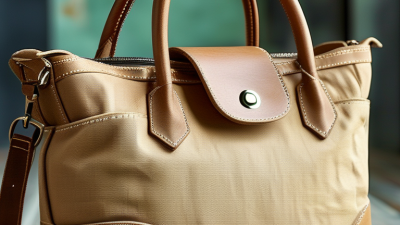
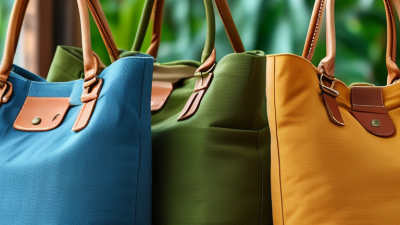
Sustainable fashion is more than a trend; it reflects our values. Canvas Bags For Women are leading this movement, offering style without compromising the environment. These bags combine practicality with aesthetic appeal. They are durable and versatile, making them perfect for various occasions.
Choosing the right bag can feel overwhelming. With countless options available, it's important to focus on sustainability. Many women are increasingly aware of the ecological impact of their fashion choices. Opting for canvas bags reinforces a commitment to responsible consumption.
Yet, it's crucial to recognize that not all canvas bags are created equal. Some may lack the quality or ethical production practices we seek. Understanding the materials and sourcing process informs better choices. In this journey towards sustainable fashion, awareness and education pave the way for positive change.
Why Canvas Bags Are Essential for Sustainable Fashion Practices
Canvas bags have emerged as a symbol of sustainable fashion. Their durability and versatility make them essential in our daily lives. Unlike single-use plastic bags, canvas bags can withstand wear and tear. They are often made from natural fibers, which reduces environmental impact. This durability means fewer replacements over time, leading to less waste.
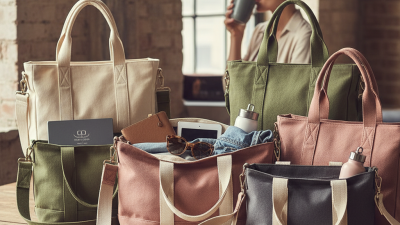
Choosing canvas bags reflects a conscious decision to embrace eco-friendly practices. Each bag can carry shopping, books, or personal items. This multifunctionality eliminates the need for multiple bags, simplifying our lives. However, it is important to wash and care for canvas bags, as neglect can lead to hygiene issues. Regular maintenance ensures these bags remain sustainable for years.
While canvas bags have many benefits, they are not perfect. Production can still have environmental costs. It’s vital to consider sourcing practices, as some may involve harmful manufacturing processes. Transparency from producers is crucial for true sustainability. By making informed choices, we contribute to more responsible fashion and a healthier planet.
Usage of Bag Materials in Sustainable Fashion
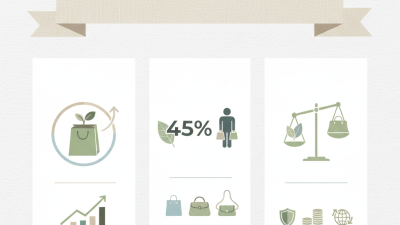
In sustainable fashion, the choice of bag materials significantly impacts the environment. This chart illustrates the popularity of different bag materials, highlighting the increasing preference for canvas bags among eco-conscious consumers.
The Environmental Impact of Traditional Fashion vs. Canvas Bags
The fashion industry has a significant environmental impact. According to the UN, it accounts for 10% of global carbon emissions. Traditional fashion relies heavily on non-biodegradable materials. Synthetic fabrics can take hundreds of years to decompose. In contrast, canvas bags, made from natural fibers, present a more sustainable option. They are reusable and reduce the need for single-use plastics.
However, transitioning to canvas bags isn't without flaws. Not all canvas bags are created equal. Some may be produced in factories with poor labor practices. It's crucial to choose ethically made options. Look for certifications that ensure fair labor and sustainable production methods. Analyze the entire lifecycle of the bag, from production to disposal.
Tip: Opt for canvas bags that feature organic materials. This reduces chemical runoff into water sources.
Tip: Educate yourself on brands’ sustainability practices. Supporting businesses with transparent supply chains can drive change in the industry. Evaluating your choices leads to more informed shopping habits.
The Economic Benefits of Choosing Canvas Bags for Consumers
Canvas bags have emerged as a sustainable choice for many women, not only for their eco-friendliness but also for their economic benefits. A report by Market Research Future indicates that the global reusable bags market is projected to grow by over 6% annually until 2027. This reflects a rising consumer preference for sustainable options, driven by both environmental awareness and cost efficiency.
One of the most compelling economic points is longevity. A canvas bag typically lasts years, unlike single-use plastic bags, which have a much shorter lifespan. According to the Environmental Protection Agency (EPA), consumers can save approximately $200 annually by switching to reusable bags. Additionally, many retailers offer discounts for bringing your own bags, creating further financial incentives.
Despite these advantages, it's important to acknowledge potential drawbacks. Some consumers may find the upfront cost of canvas bags higher compared to plastic alternatives. Not all canvas bags are created equal; lower-quality options may wear out quickly. Sustainable practices require ongoing reflection on our purchasing choices. Evaluating the long-term benefits versus initial costs plays a crucial role in making informed, responsible decisions.
Durability and Longevity: Canvas Bags as a Fashion Investment
Canvas bags have emerged as a staple in sustainable fashion. Their durability and longevity make them an ideal investment for women. Unlike plastic or faux leather, canvas is tough and can withstand daily use. With proper care, these bags last for years, reducing waste and promoting a more sustainable lifestyle. They are easy to clean and resistant to wear, making them suitable for various occasions.
Tips to maximize the longevity of your canvas bag:
1. Regularly clean it with mild soap and water to maintain its appearance.
2. Avoid overloading the bag to prevent wear and tear on the seams.
3. Store it properly to avoid creases or damage when not in use.
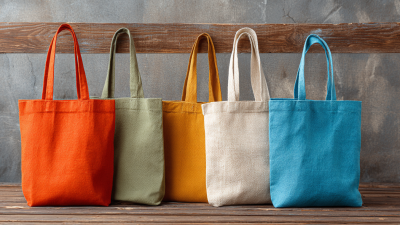
Investing in a canvas bag means choosing practicality and style. They come in various designs and colors, allowing you to express your personal style. However, while they are durable, moving towards sustainability can be a journey. Some may find it challenging to part with non-eco-friendly alternatives. Reflect on your choices and consider how a canvas bag can align with your values. It's a small but impactful step towards greener fashion choices.
Why Choose Canvas Bags for Women for Sustainable Fashion? - Durability and Longevity: Canvas Bags as a Fashion Investment
| Attribute |
Description |
Benefits |
| Material |
Made from 100% cotton or a blend, which is durable and biodegradable. |
Environmentally friendly, reducing plastic waste. |
| Durability |
Resistant to wear and tear, built to last long. |
A long-term investment that saves replacement costs. |
| Versatility |
Suitable for various occasions, from shopping to casual outings. |
Can be styled for different outfits, enhancing wardrobe options. |
| Care |
Easy to clean, often machine washable or hand washable. |
Maintains appearance over time with proper care. |
| Eco-Friendly Options |
Available in organic and recycled materials. |
Supports sustainable fashion practices. |
Consumer Trends and Preferences Towards Sustainable Fashion Choices
The rise of sustainable fashion reflects shifting consumer trends. According to a 2023 survey by McKinsey, 67% of consumers consider sustainability when shopping. This interest extends specifically to women, who increasingly seek eco-friendly alternatives in their wardrobes. Canvas bags, known for their durability and recyclability, have become a favored accessory. They are not only practical but symbolize a commitment to environmental responsibility.
In 2022, Statista reported that 21% of global fashion consumers are willing to pay more for sustainable products. This statistic highlights the growing preference for items that blend style with ethical considerations. Women are at the forefront of this shift, valuing brands that prioritize sustainability. Yet, challenges remain. Many consumers feel overwhelmed by greenwashing, which complicates their decision-making process.
The appeal of canvas bags lies in their versatility. They serve multiple purposes, from shopping to casual outings. However, some might question the longevity of this trend. Will consumer interest shift as new alternatives emerge? This uncertainty calls for ongoing dialogue within the fashion community. Addressing these questions is essential for a responsible transition towards sustainable practices.