How to Choose and Care for Used Clothing Shoes?
When it comes to fashion, sustainability is key. Used clothing shoes offer an eco-friendly alternative to new footwear. They help reduce waste and minimize environmental impact. However, choosing the right pair requires careful consideration.
Inspection is vital. Look for clear signs of wear and tear. Check the soles, stitching, and overall structure. A well-cared-for shoe can provide years of use. Remember, not all used clothing shoes are created equal. Some may have hidden flaws. Always prioritize comfort and fit.
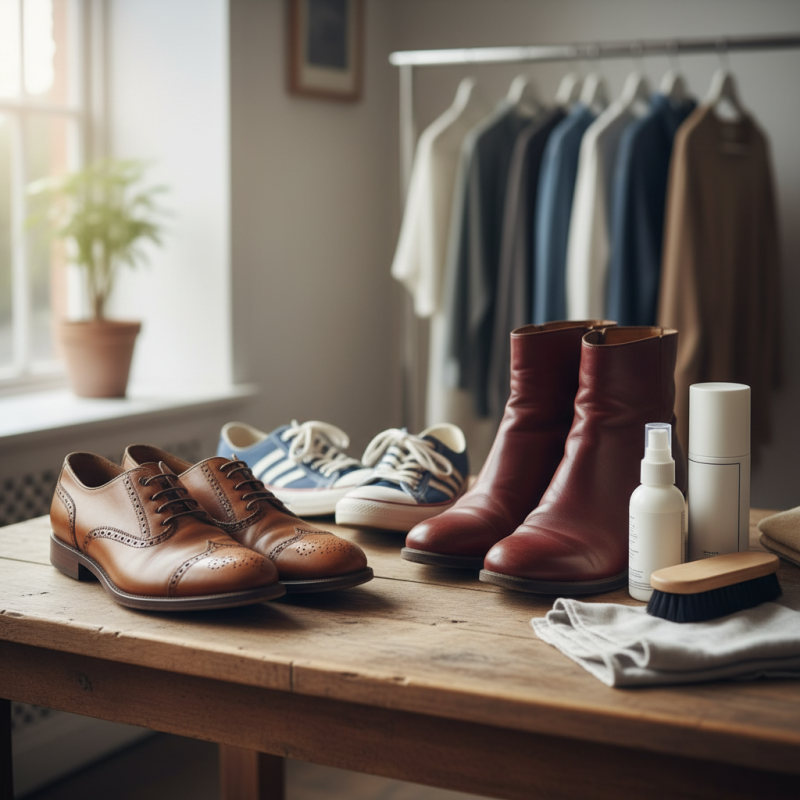
Caring for your used clothing shoes is equally important. Regular cleaning and proper storage can extend their lifespan. Consider applying waterproofing sprays and conditioners. While used shoes can be a treasure, they may also require extra attention and care. Make informed choices to create a stylish and sustainable wardrobe.
Understanding the Benefits of Choosing Used Clothing and Shoes
Choosing used clothing and shoes has many benefits. It is an eco-friendly option. By selecting pre-owned items, you reduce waste. This choice promotes sustainability. Every piece has a story. Each item reflects a past life, a unique identity. That vintage jacket tells tales of years gone by. The scuffed shoes might remind someone of adventures.
When it comes to caring for these treasures, be mindful. Check for wear and tear. Some stains might need extra attention. It’s essential to clean and maintain them properly.
Hand wash delicate fabrics. Use specific products for materials like leather. Maintain their charm and longevity, but remember, perfection is unrealistic. A few imperfections add character.
Shopping for used items can feel overwhelming. Sizes may vary, and styles can be hard to match. It’s okay to feel unsure. Measure and try on what you like. Look for signs of quality, but don’t obsess over minor flaws. In the end, appreciating their history can make your selection even more meaningful. Embrace the unique journey of each piece.
Evaluating Quality: How to Inspect Used Shoes and Clothing
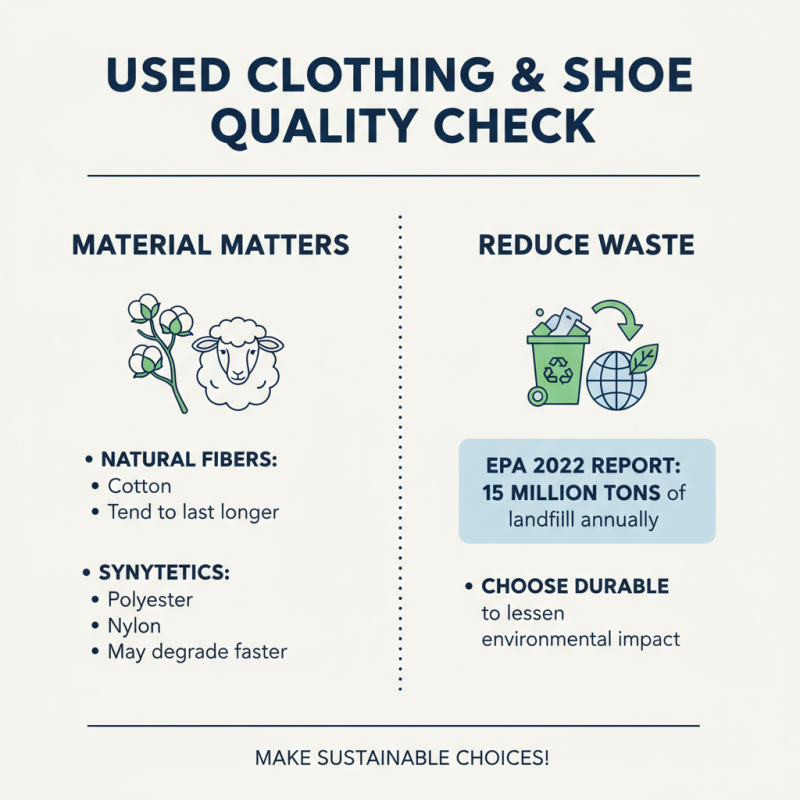
When evaluating used shoes and clothing, inspecting their quality is crucial. Start by checking the material. Natural fibers like cotton and wool often withstand wear better than synthetics. According to a 2022 report from the Environmental Protection Agency, 15 million tons of textiles end up in landfills each year. Choosing durable materials can lessen this waste.
Next, examine stitching and seams. Loose threads or unraveling seams often indicate poor quality. Pay special attention to areas that typically wear out fast. A study by the Global Fashion Agenda states that 60% of the clothing we buy does not get worn more than seven times. This shows the importance of selecting items with solid construction.
Lastly, consider the fit and comfort. Used shoes may have molded to their previous owner's feet. If they feel uncomfortable or irregular, they might not be suitable for you. Remember, sometimes, items that seem perfect at first may require reflection. It's essential not to rush your decision, as this could lead to regret later.
Sustainable Shopping: The Environmental Impact of Buying Used
The fashion industry is a major contributor to environmental degradation. In fact, it accounts for 10% of global carbon emissions. Buying used clothing and shoes can significantly reduce this impact. A single pair of shoes can take over 1,000 gallons of water to produce. By choosing pre-owned items, we conserve precious resources.
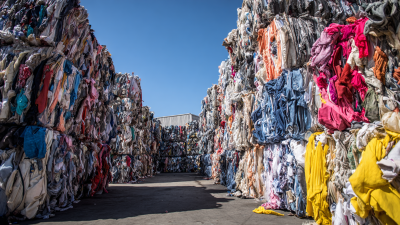
However, the culture of fast fashion continues to thrive. Many consumers still prefer new items, often unaware of the hidden costs. The production of new clothing creates vast waste. Up to 92 million tons of textile waste is generated each year. Used clothing is a way to embrace sustainability while still enjoying fashion.
Caring for used clothing can be challenging. Some items may need repairs or extra cleaning. It takes effort to maintain them in good condition. But this process is rewarding. It teaches us to value what we own. Fewer resources are used when we wear something longer. This choice not only benefits our wallets but also the planet.
How to Choose and Care for Used Clothing Shoes? - Sustainable Shopping: The Environmental Impact of Buying Used
| Category |
Factors to Consider |
Care Tips |
Environmental Impact |
| Clothing |
Check for stains, tears, and overall quality |
Wash gently and air dry to prolong lifespan |
Reduces textile waste and conserves resources |
| Shoes |
Inspect soles, insoles, and overall structure |
Clean regularly and store in a dry place |
Lowers carbon footprint compared to new shoes |
| Accessories |
Look for wear and functionality |
Wipe or wash as per care label instructions |
Promotes reuse and decreases landfill waste |
Cleaning and Maintaining Used Clothing and Shoes for Longevity
When it comes to caring for used clothing and shoes, attention to detail is key. Start by examining the fabrics. Natural fibers like cotton or wool require different cleaning methods than synthetic ones. A gentle wash with cold water can prevent shrinking. For delicate items, consider hand washing.
Shoes can be tricky. Clean them regularly to prevent odors. Remove the insoles and let them air out. A damp cloth often suffices for surface stains. If they are particularly dirty, a mild soap solution can help. However, be cautious. Overzealous scrubbing can ruin the design.
Consider the lifespan of your items. Even high-quality pieces can wear out. Pay attention to stitching and seams. Small repairs can extend their life. Reflect on your usage. Too much wear can lead to unnecessary damage. With proper care, your used clothing and shoes can look great for years.
Where to Find Reliable Sources for Used Clothing and Shoes
When searching for reliable sources of used clothing and shoes, consider various options. Thrift stores are a popular choice. They offer a range of items. Each piece has its own story. Check the condition carefully before purchasing.
Online platforms can be great for finding unique pieces. Look for local resale groups on social media. These groups often feature local sellers. You might find better deals and avoid shipping costs. Take your time to browse through listings. Ensure you communicate clearly with sellers to avoid misunderstandings.
Tips: When inspecting shoes, check the soles and seams. Wear and tear can affect comfort. For clothing, look for stains or odors. If you notice any, think about whether you can clean them or if it's worth the effort. Adjust your expectations; sometimes, items may not be as great as they seemed online, and that’s okay. Remember, the charm of used clothes is the story they carry.
Distribution of Used Clothing Sources
This chart illustrates the distribution of sources from where individuals acquire used clothing and shoes. Thrift stores are the most popular source, accounting for 35% of preferences, followed by online marketplaces and garage sales.