2026 How to Choose the Best Bags for Retail Store Use?
In the competitive landscape of retail, selecting the right Bags For Retail Store is crucial. According to a 2022 report from Smithers, the global packaging market is expected to reach $500 billion by 2024, with sustainable packaging solutions becoming increasingly vital. Customers desire brands that align with their values, making it essential for retailers to choose bags that resonate with their target audience.
Bags for retail not only serve a practical purpose but also influence customer perceptions. The right design can enhance brand recognition and customer loyalty. A study by Packaging Strategies found that 70% of consumers are more likely to repeat purchases from brands that offer eco-friendly packaging. However, finding the balance between aesthetics, functionality, and sustainability can be challenging for retailers.
Moreover, the wide variety of options available adds another layer of complexity. Retailers often grapple with choices varying from paper, plastic, to reusable fabrics. Each type presents unique advantages and challenges. Investing time in understanding these factors ensures that retailers select bags that effectively complement their business strategies, while also being environmentally responsible. This decision affects customer satisfaction and brand reputation significantly.
Understanding Different Types of Retail Bags Available for Use
When selecting bags for retail stores, understanding the types available is crucial. Paper bags and plastic bags are the most common, but alternative materials are becoming popular. A recent industry report indicates that 75% of consumers prefer eco-friendly options. This trend highlights a shift toward sustainable practices in retail.
Plastic bags remain a staple due to their durability. However, they can contribute to environmental issues. Approximately 100 billion plastic bags are used annually in the U.S., with a significant portion ending up in landfills. This statistic urges retailers to consider their environmental impact. On the other hand, reusable bags are in demand. Many consumers are willing to pay more for bags that they can use multiple times.
Specialized bags like tote bags or biodegradable bags are emerging trends. Customers often appreciate the added functionality. Retailers should understand that offering a variety can improve customer satisfaction. Although the market shows promising shifts, not all retailers are adapting quickly. A gap between demand and supply for eco-friendly bags exists.
2026 Retail Bags Comparison
Assessing Material Quality and Durability in Retail Bags
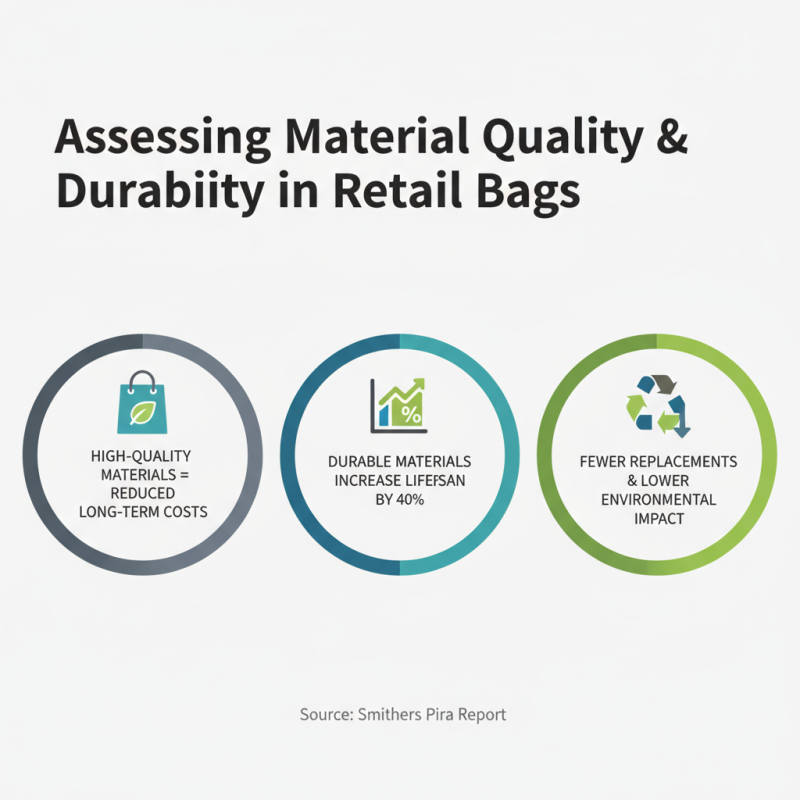
When evaluating materials for retail bags, quality and durability are paramount. Research indicates that high-quality materials can significantly reduce long-term costs. According to a report from Smithers Pira, using durable materials in retail bags can extend their lifespan by up to 40%. This means fewer replacements and lower environmental impact.
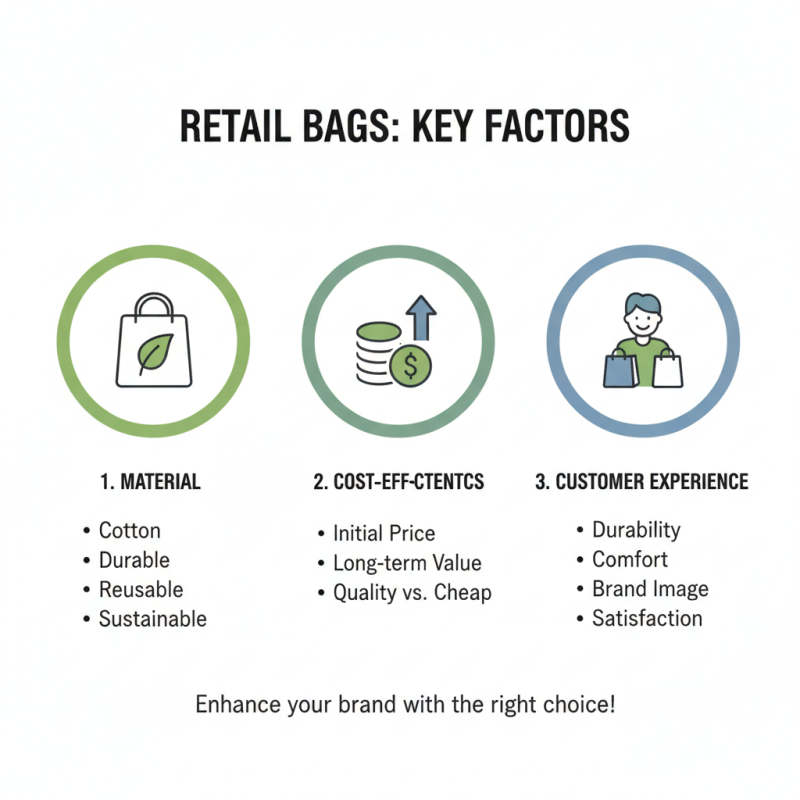
Cotton, recycled paper, and biodegradable plastics are popular choices for retailers. Cotton bags are sturdy and reusable, making them an excellent investment. However, they have a higher initial cost. On the other hand, recycled paper bags are lighter and often more affordable. Still, they may not withstand heavy items as well as their cotton counterparts. Surprisingly, many retailers overlook the impact of handling and storage on bag longevity. Bags can degrade quickly under harsh conditions, so investing in proper storage can make a difference.
Sustainability is becoming a key factor in material selection. A study by the Environmental Protection Agency highlights that 40% of consumers prefer brands that prioritize eco-friendly practices. Retailers must ask how their bag choices reflect their values. It’s essential to balance cost, durability, and environmental impact. Ignoring this can lead to lost sales from dissatisfied customers. The choice of material isn’t merely a logistical decision; it reflects a brand's commitment to quality and responsibility.
Evaluating Cost-Effectiveness and Pricing Strategies for Retail Bags
When selecting bags for retail stores, cost-effectiveness is paramount. Various studies indicate that packaging can account for up to 30% of total operational costs. Retailers must balance quality and affordability. High-quality materials can enhance customer experience but may also inflate costs. For example, biodegradable bags often cost more upfront. Yet, their environmental appeal can attract eco-conscious consumers.
Pricing strategies are equally important. Research shows that 70% of consumers consider cost when choosing retailer bags. Offering a range of bag options at different price points can increase sales. Retailers might implement tiered pricing to accommodate diverse customer preferences. A slightly higher price for premium bags can yield a significant profit margin, improving overall revenue.
However, it’s crucial to assess how price affects customer perception. Overpricing can alienate budget-minded shoppers. On the other hand, underpricing may devalue the brand. Regularly analyzing customer feedback and market trends helps refine product offerings. Understanding local demographics can also guide decisions. Diverse communities may have varying expectations about bag quality and cost. Balancing these factors requires ongoing reflection and adjustment.
Sustainable Bag Options: Meeting Eco-Friendly Retail Demands
In today’s retail landscape, eco-friendly options are essential. Sustainable bags can enhance your brand’s image and meet customer demands. Many shoppers now prefer brands that prioritize environmental responsibility. This shift towards sustainability is not just a trend; it reflects growing consumer awareness.
Choosing the right sustainable bags is crucial. Look for materials like recycled plastics or organic cotton. These options minimize environmental impact. Also, consider the durability of the bags. Stronger bags reduce waste over time. Visual appeal matters too; attractive designs can encourage purchases and usage.
Tips: Always test different materials for comfort and usability. Engage with your customers to understand their preferences. Experiment with various bag sizes to cater to diverse needs. Don’t hesitate to share your sustainability journey. Transparency builds trust and loyalty. As you make choices, reflect on the long-term impact of each decision.
2026 How to Choose the Best Bags for Retail Store Use? - Sustainable Bag Options: Meeting Eco-Friendly Retail Demands
| Bag Type |
Material |
Sustainability Rating |
Price Range ($) |
Durability (Years) |
| Reusable Tote Bag |
Cotton |
High |
10 - 20 |
3 - 5 |
| Biodegradable Bag |
PLA (Polylactic Acid) |
Moderate |
15 - 30 |
1 - 2 |
| Kraft Paper Bag |
Recycled Paper |
High |
5 - 15 |
2 - 4 |
| Jute Bag |
Jute Fiber |
Very High |
20 - 40 |
5 - 7 |