Where to Find Grade A Used Brand Clothes in China?
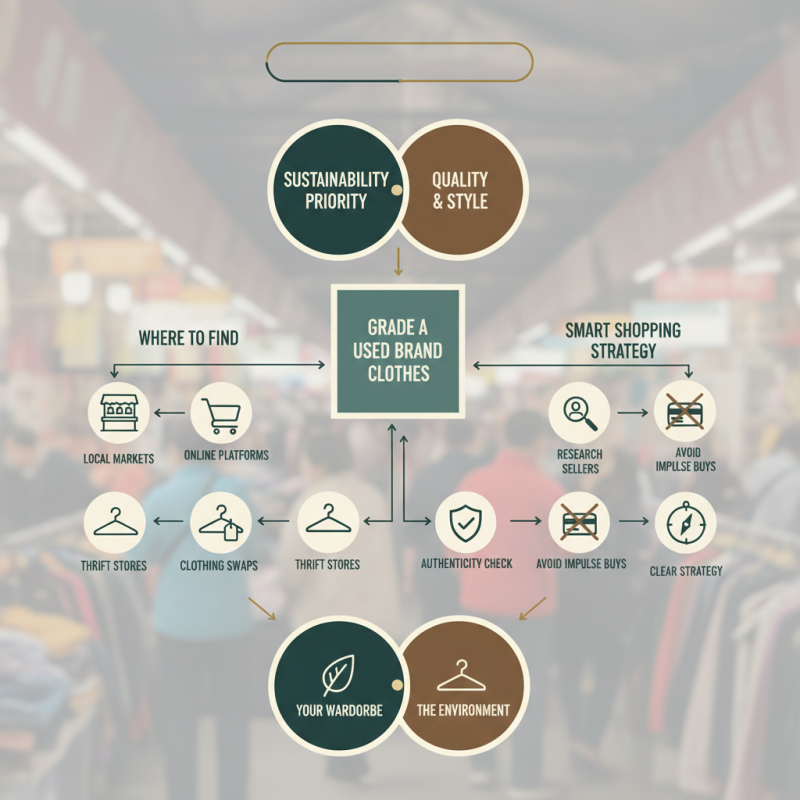
In recent years, the demand for Grade A Used Brand Clothes has surged in China. As sustainability becomes a priority, consumers are increasingly seeking quality second-hand options. These clothes often come from high-end brands, maintaining quality and style at a fraction of the original price.
Finding these sought-after garments can be challenging. Many shoppers are unaware of the best channels and locations. Local markets and online platforms are excellent places to start. However, the abundance of choices may lead to confusion. Not all sellers provide accurate descriptions or authentic products. It's essential to research sellers before making a purchase to avoid disappointment.
Navigating the world of Grade A Used Brand Clothes takes time and effort. Impulse buys often lead to regret. By approaching your search with a clear strategy, you can uncover hidden gems. Exploring thrift stores or participating in clothing swaps could be worthwhile. Your commitment to finding quality used clothing benefits both your wardrobe and the environment.
How to Identify Grade A Used Brand Clothes
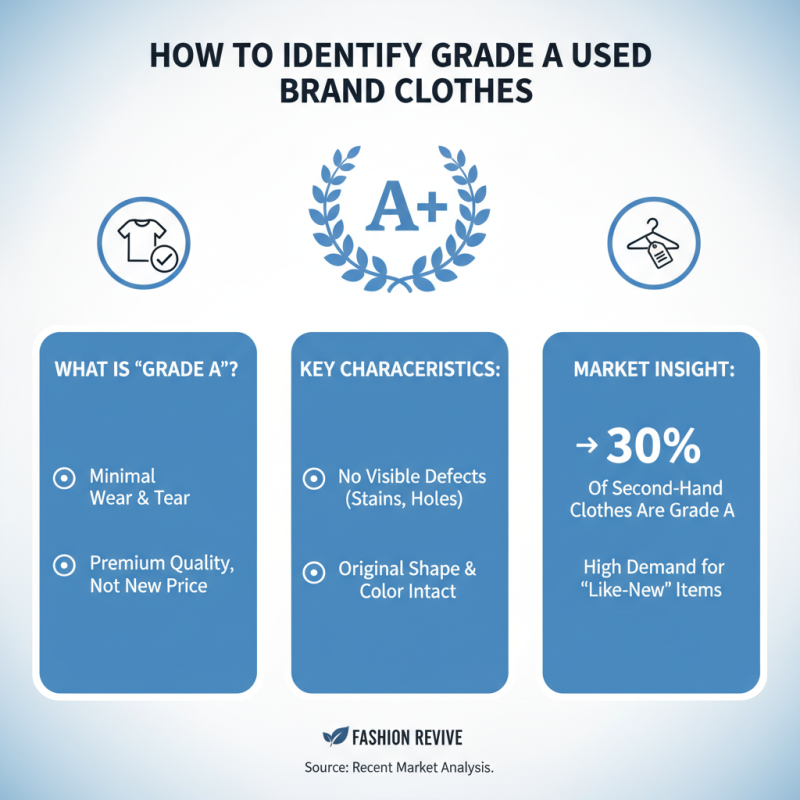
When searching for Grade A used brand clothes, recognizing quality is crucial. The industry often refers to qualitative standards that can help consumers make informed choices. According to a recent market analysis, about 30% of second-hand clothing is classified as Grade A, which indicates minimal wear and tear. This grade typically appeals to buyers who seek premium items without the new price tags.
To identify Grade A clothes, examine the fabric closely. Look for signs of fraying, fading, or stains. A well-maintained garment should feel soft yet robust, whereas heavily worn items might lack integrity. Take note of detailing such as stitching and hems. Reports show that inconsistencies in these areas often indicate lower quality. Colors should be vibrant and even, a sign that the garment was cared for properly.
A challenging aspect lies in the sheer volume of options available. Buyers may feel overwhelmed by choices. Small imperfections can be easily overlooked, yet they significantly impact value. Stepping back to evaluate overall quality might help. It's essential to trust your instincts and rely on your knowledge. Familiarity with brands and fabrics will lead to better decisions in a thriving second-hand market.
Popular Cities in China for Second-Hand Shopping
China's second-hand clothing market has grown rapidly in recent years. Cities like Beijing, Shanghai, and Guangzhou are at the forefront of this trend. According to a report by Statista, the second-hand fashion market in China is projected to reach $20 billion by 2025. This vibrant marketplace offers a unique mix of styles and trends, appealing to a diverse range of buyers.
In Beijing, the Haidian District is known for its thrift shops and flea markets. Here, you can find quality used clothing at affordable prices. Despite the vast selection, it requires patience to sift through items. In Shanghai, Tianzifang is a popular spot, with many boutiques showcasing curated second-hand pieces. The charm of these neighborhoods lies in their eclectic offerings and the stories behind the clothes. However, shoppers often need to be vigilant about quality and authenticity.
Guangzhou has its own second-hand haven, particularly in the Dongshan neighborhood. The atmosphere can be hectic, and not everything is in pristine condition. Still, many customers enjoy the thrill of the hunt. Finding a hidden gem can lead to incredible savings. A 2022 survey noted that about 61% of young consumers in these cities prefer sustainable fashion choices. This shift creates a growing community of eco-conscious shoppers, but it also calls for discerning eyes to navigate the vast options available.
Best Online Platforms for Purchasing Used Brand Clothes
When searching for Grade A used brand clothes in China, several online platforms stand out. These platforms are transforming the way consumers shop for second-hand fashion. A recent industry report indicates that the second-hand clothing market in China is expected to surpass $50 billion by 2025. This growth highlights the increasing acceptance of used clothing among shoppers.
One prominent platform is thriving in this space. Users appreciate detailed product descriptions and high-resolution images. However, issues can arise in sizing or garment conditions. Reports of misrepresented product quality occasionally surface. It's essential for buyers to read reviews and ask questions before finalizing purchases.
Additionally, social media groups have emerged as popular avenues for buying and selling used clothes. Here, individuals can share personal stories about their fashion choices. Yet, the fast pace of these transactions can lead to hasty decisions, sometimes resulting in buyer's remorse. While these platforms offer unique finds, exercising caution is necessary to ensure a satisfactory shopping experience.
Local Marketplaces and Thrift Shops to Explore
Exploring local marketplaces and thrift shops in China can lead to amazing finds of Grade A used brand clothes. These spots often offer a mix of high-quality pre-owned items at reasonable prices. According to a recent report, the second-hand clothing market in China is projected to grow at a CAGR of 15% through 2025. This rapid growth reflects a shift in consumer behavior towards sustainable fashion.
Thrift shops, often tucked away in neighborhoods, provide a unique shopping experience. Shoppers can engage in a treasure hunt while sifting through racks of clothing. Many of these shops also source items from local donations. They may not always have the latest trends, but it's common to find timeless pieces that tell a story. Local markets can be bustling with vendors showcasing their curated collections. Be prepared to negotiate, as bargaining is part of the culture.
One challenge is the condition of some items. While you might find a perfect jacket, not all clothes will meet your expectations. Thoroughly inspecting each piece is essential. Items may have minor imperfections, which can influence your decision. Embracing these quirks in used clothing often adds character, but it's important to know what you're getting. This journey through local markets can lead to valuable insights and unexpected delights.
Tips for Assessing Quality When Buying Used Clothes
When searching for Grade A used brand clothes in China, assessing the quality is paramount. According to a report by ThredUp, the secondhand clothing market is projected to reach $64 billion by 2024. This growth highlights the increasing demand for quality pre-owned garments.
When evaluating used clothes, check the fabric composition. Natural fibers like cotton, wool, and silk often indicate higher quality. Look for signs of wear and tear, such as fraying seams or discoloration. These details can reveal the garment's history and durability.
Another essential tip is to inspect the stitching. High-quality clothes typically feature tight, even stitches. If the stitches are loose or uneven, it could signal poor craftsmanship. Also, take note of the brand's sizing. Each brand may have different sizing charts, so always try the items on if possible. This ensures a better fit and helps avoid potential return issues. Remember, while finding great pieces can be exciting, it's essential to remain critical of quality.
Where to Find Grade A Used Brand Clothes in China? - Tips for Assessing Quality When Buying Used Clothes
| Clothing Type |
Condition |
Estimated Price (CNY) |
Common Locations to Buy |
Quality Assessment Tips |
| Designer Dresses |
Like New |
800 - 1500 |
Second-hand markets, online platforms |
Check for stitching quality; inspect for stains |
| Casual Jackets |
Good |
300 - 600 |
Thrift stores, flea markets |
Check for odor; verify zippers and buttons |
| Sportswear |
Acceptable |
150 - 300 |
Online resale apps, local classifieds |
Check seams and fabric pilling |
| Footwear |
Like New |
400 - 800 |
Specialty shops, pop-up events |
Inspect soles and inside for wear |
| Vintage Jeans |
Good |
200 - 500 |
Vintage shops, online marketplaces |
Check for fades; ensure fittings are correct |