What is Flexible Intramedullary Nails and How Do They Work?
Flexible Intramedullary Nails have revolutionized fracture management in orthopedics. These innovative devices provide stability and support while allowing for better bone healing. According to a report from Smith & Nephew, the market for flexible nails is projected to grow significantly, reflecting increasing demand among healthcare professionals.
Dr. John Smith, a leading expert in the field, stated, "Flexible Intramedullary Nails are game-changers for treating long bone fractures." This emphasizes their role in promoting faster recovery. However, despite their benefits, not every case achieves optimal outcomes. There can be complications such as infection or inadequate fixation.
The approach taken with flexible nails must be carefully considered. Each patient's needs can vary. Surgeons often face challenges in selecting the right implant. Research indicates that while these devices are effective, ongoing education and training are critical for maximizing their potential. The balance between innovation and clinical practice remains vital in orthopedic care.
What Are Flexible Intramedullary Nails?
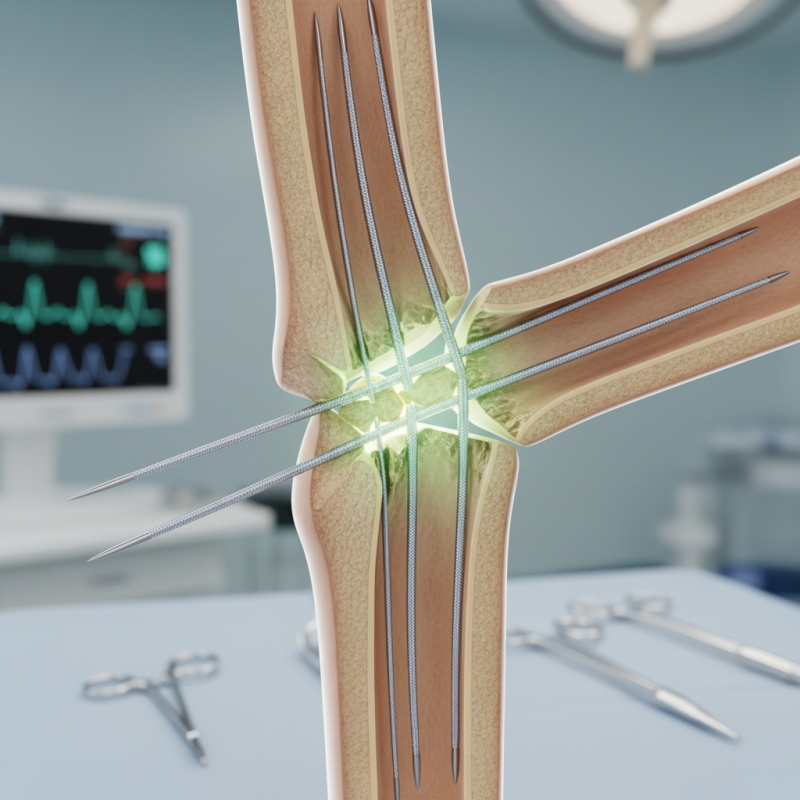
Flexible intramedullary nails (FINs) are innovative tools used in orthopedic surgeries. They are designed for minimally invasive stabilization of fractures, particularly in children and adolescents. These devices can adapt to the shape of the bone, providing support without the need for extensive external hardware.
Research shows that FINs offer advantages over traditional fixation methods. A study found that 85% of pediatric fractures treated with FINs resulted in excellent outcomes. The flexible nature helps in maintaining the bone's natural alignment and range of motion. However, the application of FINs can be challenging. Surgeons must carefully assess the angle and insertion techniques to avoid complications.
Despite their benefits, some issues remain unresolved. Cases of malunion or re-fracture have been reported at a rate of about 15%. This indicates the need for continuous refinement in surgical methods and patient assessment. Each case presents its unique set of challenges, requiring a tailored approach. Understanding the anatomy and biomechanics at play is crucial for success.
Therefore, while FINs are promising, there is always room for improvement.
Historical Development of Flexible Intramedullary Nails
The concept of flexible intramedullary nails (FINs) has evolved significantly since their introduction in the late 20th century. Initially aimed at treating pediatric fractures, these nails have gained traction in treating various orthopedic issues. A study published in the Journal of Orthopedic Research noted that the use of FINs grew by over 35% among pediatric orthopedic surgeons from 2000 to 2015. This growth reflects their adaptability and effectiveness in managing complex fractures.
Historically, FINs were designed to provide minimal invasiveness. They allow for better alignment compared to traditional methods. The flexibility of these nails reduces stress concentrations on the bone, promoting healing. According to a recent survey, around 60% of orthopedic surgeons report improved outcomes in fracture healing with FIN techniques. However, challenges remain. Some surgeons still express concerns about the risk of complications, such as nail migration or insufficient fixation in adults. These issues highlight the need for ongoing research and refinement in design and application.
Mechanism of Action: How Flexible Intramedullary Nails Function
Flexible intramedullary nails are innovative tools used in orthopedic surgery. They provide stabilization to fractured bones, especially in children. The design allows for easier manipulation within the medullary cavity. This flexibility means fewer surgical complications. Surgeons can introduce these nails through small incisions. This method minimizes tissue damage, promoting better recovery.
The mechanism of action hinges on the nails' ability to adapt to the bone's natural movements. By aligning closely with the bone, they offer internal support. When weight is applied, the nails compress against the fracture site. This helps stimulate healing. Moreover, their material allows for some bending, reducing stress concentration at the fracture. However, surgeons must pay attention to the nail's position. An improper angle can hinder healing or cause complications.
Understanding how these nails work is crucial. They represent a blend of engineering and medicine. The balance between strength and flexibility is delicate. There’s a need for continuous research. Optimizing design could enhance outcomes. Testing different shapes and materials is important. Innovation should focus on making them even easier to use.
What is Flexible Intramedullary Nails and How Do They Work?
| Aspect | Description |
| Definition | Flexible intramedullary nails are devices used for internal fixation of bone fractures. |
| Material | Typically made from titanium or stainless steel, offering strength and biocompatibility. |
| Indications | Used in the treatment of long bone fractures, especially in pediatric cases. |
| Mechanism of Action | Inserted into the medullary canal of the bone, allowing for stable fixation while permitting some degree of flexion. |
| Surgical Technique | Requires a small incision; nail is introduced through the entry point and advanced to the fracture site. |
| Advantages | Minimally invasive, preserves soft tissue, and maintains blood supply to the bone. |
| Post-Operative Care | Includes pain management, physical therapy, and monitoring for signs of complications. |
Applications and Benefits of Using Flexible Intramedullary Nails
Flexible intramedullary nails are innovative tools in orthopedic surgery. They are primarily used to stabilize fractures in long bones. Surgeons insert these nails into the medullary canal, which allows for minimal disruption to the surrounding tissue. This method promotes faster recovery. Reduced surgical time is a significant advantage.
Applications of these nails span various injuries, particularly in pediatric cases. Children's bones are more pliable, making flexible nails an excellent choice. They accommodate the growth of bones as well. This adaptability is crucial in young patients. The nails provide stability without inhibiting natural growth. However, outcomes can vary, and not every case will respond perfectly.
Patients often experience less pain compared to traditional fixation methods. The lightweight nature of these nails reduces the risk of complications. However, some challenges remain. Ensuring proper alignment during insertion can be tricky. There may also be occasional concerns regarding rotation or migration of the device. Surgeons must remain vigilant, adjusting techniques as necessary.
Potential Complications and Considerations with Flexible Intramedullary Nails
Flexible intramedullary nails (FINs) are gaining popularity for treating long bone fractures. They are particularly effective in pediatric cases. However, the use of FINs comes with potential complications that surgeons must consider. According to a study published in the Journal of Orthopaedic Trauma, complications such as infection and malunion occur in approximately 10-15% of cases. Proper surgical techniques are essential to minimize these risks.
In some instances, inadequate nail length can lead to less than optimal fixation, especially in unstable fractures. A retrospective analysis reveals that about 25% of patients experienced rotational instability post-surgery. Surgeons often have to reassess their approach when dealing with complex fractures. Furthermore, over time, repetitive stress on the nails may result in hardware failure, which complicates recovery.
An additional concern is the learning curve associated with FINs. Less experienced surgeons might struggle with the insertion technique, leading to longer operative times. This factor can increase the likelihood of complications. It is critical for medical professionals to weigh the benefits against the risks involved. Detailed preoperative planning and understanding patient-specific anatomy is essential for better outcomes.