Why Choose Grade A Used Brand Clothes for Sustainable Fashion?
In the world of sustainable fashion, "Grade A Used Brand Clothes" stands out as a key player. Experts emphasize its importance. Dr. Emily Carter, a leading figure in sustainable textiles, states, “Choosing Grade A clothing is an eco-friendly choice with style.” This resonates with many conscious consumers today.
These clothes are often barely worn, offering quality and elegance. Shoppers can find luxury brands at a fraction of the retail price. Yet, the challenge lies in the perception of used clothing. Some view it as inferior. This stigma can prevent people from embracing sustainable options fully.
Moreover, discussing sustainability often leads to complex conversations. It’s more than just buying second-hand. It's about making mindful choices. The market for Grade A Used Brand Clothes is growing, yet it prompts us to reflect on consumer habits. Are we ready to shift our mindset and redefine what fashion means in a sustainable world?
The Definition of Grade A Used Brand Clothes in Sustainable Fashion
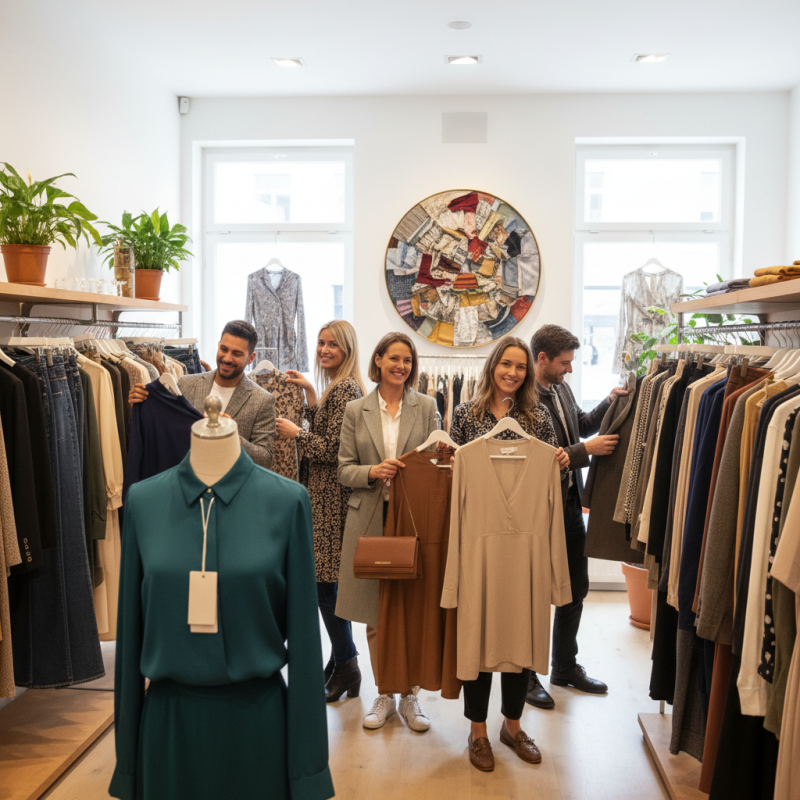
Grade A used brand clothes refer to pre-owned garments that are still in excellent condition. These clothes typically exhibit minimal wear and tear, with no significant stains or damage. This quality level ensures that consumers can enjoy stylish pieces while promoting sustainability. Choosing Grade A ensures that the clothes are wearable, prolonging their life cycle and reducing waste.
Sustainable fashion emphasizes the need to minimize environmental impact. By selecting Grade A clothes, consumers participate in a circular economy. This choice helps divert textiles from landfills. However, the allure of these items often hides the reality that not all used clothes meet the Grade A standard. It’s essential to inspect each piece carefully. Sometimes, what seems like an appealing option may have unseen flaws that require repairs. Engaging with these imperfections can lead to a deeper understanding of fashion consumption and ownership.
The Environmental Benefits of Choosing Second-Hand Brand Clothing
Choosing Grade A used brand clothes is a step toward sustainable fashion. The environmental advantages are significant. Each second-hand garment purchased helps reduce waste. The fashion industry is one of the largest polluters. By opting for pre-owned clothing, you lessen the demand for new production. This, in turn, cuts down the carbon footprint.
When you wear used clothing, you help conserve resources. The production of new clothes consumes water, energy, and raw materials. For instance, it takes thousands of liters of water to produce a single t-shirt. This strain on our planet can be alleviated by embracing second-hand options. However, many people still hesitate. They may worry about wear and tear. But, Grade A items are often gently used and of high quality. These pieces can last longer than cheaper new alternatives.
It's essential to reflect on our consumption habits. Are we valuing quantity over quality? Choosing second-hand can bring unique styles that add character to our wardrobes. Plus, the thrill of finding a gem is unmatched. Embracing this choice requires a shift in mindset. Each purchase tells a story, contributing to a more sustainable future.
The Quality and Durability of Grade A Clothing Compared to Fast Fashion
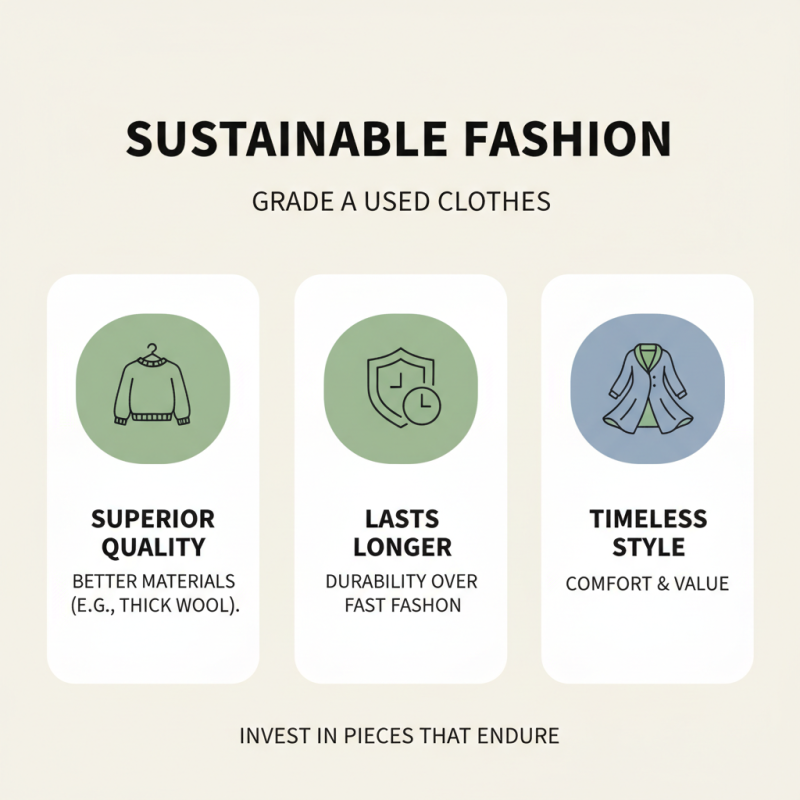
When it comes to sustainable fashion, Grade A used brand clothes offer superior quality and durability. These pieces are often made with better materials than many fast fashion items. For example, a thick wool sweater might last you several winters, while a cheap fast fashion alternative could wear out after just a few washes. Grade A clothing stands the test of time, providing both comfort and style.
However, it’s important to acknowledge that not all used clothes are in perfect condition. Some items might have minor flaws or signs of wear. This can discourage buyers seeking flawless appearances. Yet, these imperfections often tell a story, adding character to each piece. Plus, they encourage consumers to look beyond surface aesthetics. Instead, they help us appreciate craftsmanship and sustainability, which fast fashion rarely embodies. Embracing Grade A clothing means prioritizing quality over quantity, even if it requires some effort in your search.
How Grade A Used Clothes Support Ethical Fashion Practices
Grade A used clothes play a crucial role in supporting ethical fashion practices. These garments are typically carefully curated, ensuring only the best quality items make the cut. In 2021, the global second-hand fashion market was valued at approximately $36 billion and is expected to grow by 39% in the next five years. This growth signifies a shift towards more sustainable consumer behaviors.
Statistics show that the fashion industry accounts for about 10% of global carbon emissions. By choosing Grade A used clothes, consumers can significantly lower their environmental impact. One study revealed that purchasing second-hand can reduce carbon emissions by up to 82%. However, the journey to sustainability is not without flaws. Not all used clothing is eco-friendly, and the supply chain can still involve waste and unethical practices.
Consumers must be aware that not every second-hand item tells a sustainable story. Transparency in sourcing remains a challenge. Many consumers lack insight into where their clothes come from. To truly support ethical fashion, it’s vital to research and choose reputable sources for Grade A used clothes. Understanding this landscape is essential for nurturing a more sustainable wardrobe.
Why Choose Grade A Used Brand Clothes for Sustainable Fashion? - How Grade A Used Clothes Support Ethical Fashion Practices
| Dimension |
Details |
| Environmental Impact |
Reduction of textile waste, lowering carbon footprint, and conserving natural resources. |
| Economic Benefits |
Affordable quality clothing options, supporting local economies through second-hand sales. |
| Ethical Production |
Promotes fair labor practices by reducing demand for fast fashion and exploitation. |
| Quality Assurance |
Grade A used clothes are often of high quality, well-maintained, and stylish. |
| Variety and Uniqueness |
Access to unique and vintage pieces that stand out from mass-produced clothing. |