How to Start a Successful Second Hand Clothes Seller Business?
Starting a successful Second Hand Clothes Seller business can be a rewarding venture. According to fashion industry expert, Sarah Thompson, "The beauty of second hand clothing lies in its story." Her words remind us that each piece has a history to tell. As consumers become more environmentally conscious, the demand for sustainable fashion grows.
However, entering this market isn't always easy. It's essential to curate your collection carefully. You may face challenges in sourcing quality items at a reasonable price. Additionally, effective marketing strategies are crucial. Building a brand that resonates with your audience can set you apart from the competition.
Mistakes will happen, and that's part of the journey. Some items may sit unsold for too long, or pricing may feel tricky. These experiences can provide valuable insights. Learning from setbacks will help you adapt and grow. Ultimately, your passion for fashion and sustainability can create a thriving Second Hand Clothes Seller business that appeals to many.
Understanding the Second Hand Clothes Market and Its Trends
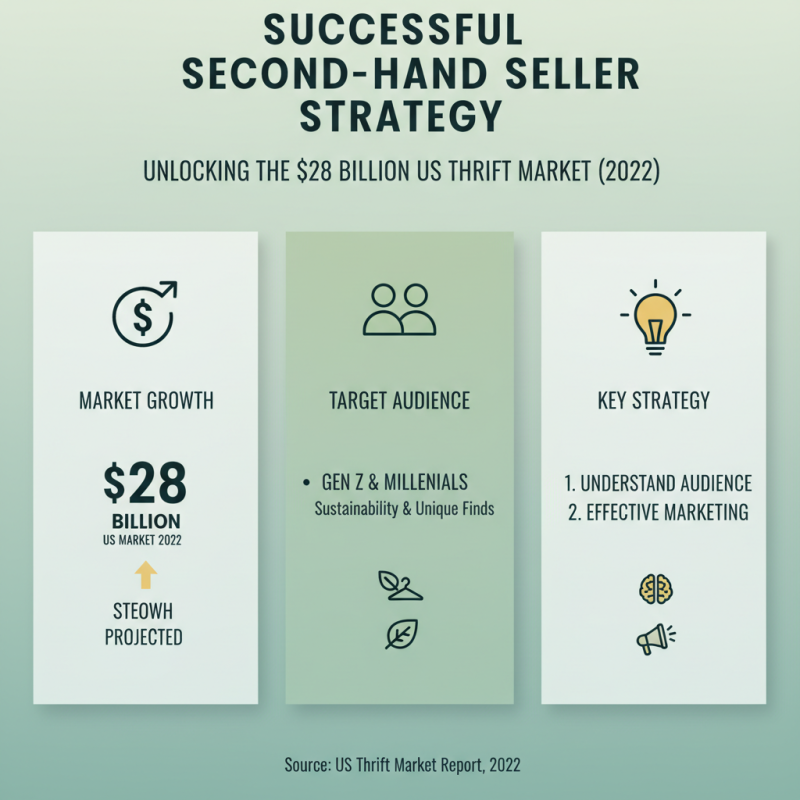
The second-hand clothes market is rapidly evolving. According to a report by ThredUp, the market is projected to reach $64 billion by 2024. This growth is fueled by increasing consumer awareness of sustainability. In fact, over 70% of consumers express interest in buying second-hand clothing to reduce their environmental footprint. Brands and sellers must understand these trends to succeed.
Emotional connection plays a critical role in this market. Many buyers look for unique pieces that tell a story. Sellers who curate their collections carefully can attract a loyal customer base. However, competition is fierce. It's essential to differentiate your offerings. For example, authenticating vintage pieces can build trust and appeal.
While opportunities abound, challenges exist as well. Sourcing high-quality items can be difficult. Regularly assessing market demands is crucial. Sellers may also face pricing dilemmas. Setting the right price requires a balance between perceived value and profitability. Regularly adjusting strategies based on consumer feedback will help navigate this dynamic landscape.
Identifying Your Target Audience for Second Hand Clothing Sales
Identifying your target audience is crucial for a successful second-hand clothing business. Start by thinking about who might be interested in pre-owned items. Consider age groups, lifestyles, and fashion preferences. Young adults often seek unique styles. Meanwhile, families may look for affordable clothing for growing children. Each group has different needs and interests.
Research their shopping habits. Do they prefer online shopping or thrift stores? Understanding where they like to shop can guide your sales strategy. Utilize social media to connect with potential customers. Create engaging content that resonates with their values. Provide tips on sustainable fashion and emphasize the benefits of choosing second-hand items.
It’s important to remain flexible and open to feedback. Sales may not skyrocket immediately. Some items may not sell as quickly as anticipated. Reflect on which styles resonate and which do not. This reflection can help refine your offerings. Listening to your audience is key to long-term success. Embrace the learning process and adapt your approach as needed.
Target Audience for Second Hand Clothing Sales
This bar chart represents the number of interested buyers in the second hand clothing market, segmented by age group. The data indicates a higher interest among younger demographics, particularly those aged 18-34.
Sourcing Quality Second Hand Clothes for Your Inventory
Sourcing quality second-hand clothes is crucial for a successful resale business. Start by exploring local thrift stores and charity shops. These places often have hidden gems at low prices. Take your time while browsing. Look for unique items, trendy pieces, or classic styles that stand out. Building relationships with store owners can also help you get insider tips on new arrivals.
Online platforms can be a goldmine. Look into websites or apps that specialize in second-hand sales. Sometimes, people sell quality items for quick cash. Make sure to check the condition and authenticity before purchasing. Don’t shy away from asking sellers questions. Some might have stories behind their pieces, adding value to your inventory.
Finding inventory isn’t always easy. You may come across items that seem appealing but are not in sellable condition. Reflect on the quality of items you choose. It’s essential to maintain a standard. This might mean passing on certain items. Each sourcing trip can teach you something new. Embrace the learning curve as you refine your eye for quality.
Setting Up an Online Presence for Selling Second Hand Clothes
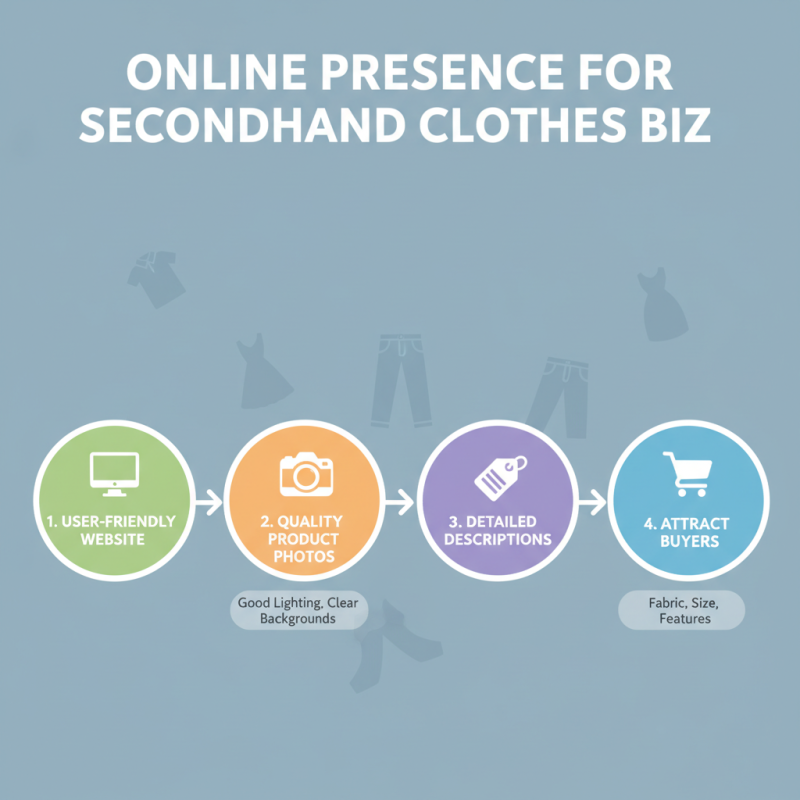
Creating an online presence for your second hand clothes business is crucial. Start by setting up a simple, user-friendly website. Ensure your site showcases high-quality images of the clothes you sell. Good lighting and clear backgrounds can highlight the details. Include descriptions that mention fabric type, size, and any unique features. A thoughtful product presentation can attract buyers.
Leverage social media platforms as well. Share behind-the-scenes content, styling tips, or customer testimonials. Engage with your audience through comments and messages. This builds community and trust. Post regularly, but don’t overwhelm your followers. Experiment with different types of content to see what resonates. Keep your branding consistent across all channels, but don’t be afraid to show your personality.
Reflect on your progress and adapt your strategy. Ask for feedback from your customers. Are they satisfied? What improvements do they suggest? Look for patterns in your sales data. Certain items may not sell as expected. This insight can help refine your inventory choices. Adjusting your approach based on real feedback can elevate your business.