How to Start a Successful Second Hand Clothes Seller Business?
The second-hand clothing market has witnessed substantial growth in recent years. According to a report by ThredUp, the second-hand apparel market is expected to reach $64 billion by 2024. This surge highlights a increasing consumer preference for sustainable fashion choices. Becoming a successful second-hand clothes seller requires understanding these market dynamics.
As a second-hand clothes seller, you must navigate various challenges. Sourcing quality items can be tricky. Not all thrift shops are treasure troves. Building a strong brand and effective marketing strategy is crucial. Authentic storytelling can connect you with fashion-conscious consumers.
While the opportunities are attractive, it's essential to reflect on your approach. Quality control can be time-consuming, and managing inventory presents its own difficulties. Continuous learning about trends and consumer needs is vital. This business can be rewarding, but it requires dedication and adaptability.

Identifying Your Niche in the Second Hand Clothing Market
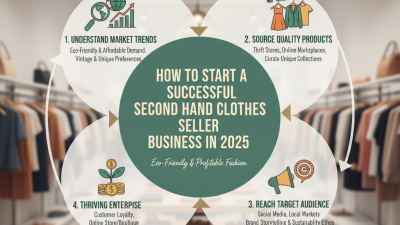
Identifying your niche in the second-hand clothing market is crucial for success. Start by researching various styles and demographics. Look for trends that resonate with you and potential customers. Streetwear, vintage, or eco-friendly options are popular choices. You can also consider specific sizes or age groups. Tailor your offerings based on your findings.
Tips: Focus on what you love. Your passion will shine through your selection. This authenticity attracts loyal customers. Explore local thrift stores, online marketplaces, and vintage fairs. Each visit helps you understand what sells well. Pay attention to quality and condition. Your reputation relies on offering reliable products.
Do not rush the process. It takes time to build a collection that stands out. Be prepared for moments of uncertainty. Not every piece will sell. Reflect on your inventory regularly. Consider customer feedback to refine your selections. Engaging with your audience builds trust. Use social media to share your journey. Connecting with customers can provide valuable insights.
Researching Market Trends and Consumer Preferences
Researching market trends and consumer preferences is vital for any second hand clothes seller. Understanding what items are in demand can significantly influence your inventory. Start by observing what’s popular in thrift stores and online platforms. Styles and brands change frequently. Stay aware of emerging trends and seasonal fashion shifts.
Tips: Use social media to gauge consumer interests. Platforms like Instagram and Pinterest showcase current fashion trends. Analyze the most liked and shared items. This can guide your inventory choices.
Additionally, create surveys or engage with potential customers. Ask them about their clothing preferences. This insight can help you tailor your offerings. Pay attention to local trends as well. What is desirable in your area may differ from broader trends.
Embrace the imperfections in this process. Market preferences can be unpredictable. Sometimes, what you stock may not resonate. Reflect on your sales and adjust accordingly. Learning from these experiences improves your approach over time.
Listen actively to feedback, and don’t hesitate to shift your focus if needed.
Sourcing Quality Second Hand Clothes for Your Business
Sourcing quality second-hand clothes is crucial for a successful resale business. The demand for sustainable fashion has surged, with a report from ThredUp indicating that the second-hand clothing market will reach $64 billion by 2024. This trend emphasizes the importance of reliable sourcing strategies.
When sourcing, consider local thrift stores and online marketplaces. Sometimes, treasures are hidden in the racks of neighborhood second-hand shops. Engage with local communities to discover unique pieces. Ensure you check the quality of garments to avoid potential customer dissatisfaction.
Tip: Build relationships with consignment stores. They can provide you with quality inventory.
Attending estate sales and flea markets can also yield excellent finds. However, make sure to thoroughly inspect items for wear and tear. It’s essential to balance quality with pricing.
Tip: Keep track of the condition and history of your inventory. This helps in making informed sales decisions later.
Reflecting on sourcing methods is vital. Experiment with different channels but avoid over-relying on one source. Diversified sourcing helps mitigate risks and maintain a fresh inventory.
Creating an Effective Marketing Strategy for Your Store
Creating an effective marketing strategy is crucial for a successful second-hand clothes seller business. The resale market has grown significantly, estimated to reach $64 billion by 2024, according to recent industry reports. This growth emphasizes the importance of differentiating your brand. Highlight your unique offerings, like sustainable fashion or curated collections.
Digital marketing plays a vital role. Utilize social media platforms to showcase products and engage customers. Use Instagram and TikTok for visually appealing content. Analytics show that 64% of consumers base purchasing decisions on social media. However, be prepared for difficulties, like algorithm changes and increased competition.
**Tip:** Develop relationships with local influencers. This approach can amplify your reach.
Email marketing is another powerful tool. Building a newsletter list allows direct communication. Approximately 20% of email subscribers will engage with content. But constantly measuring engagement is essential. Notice any dips in interest and adapt promptly.
**Tip:** Use catchy subject lines and personalize emails for better engagement.
Diversifying your marketing channels is also critical. Relying solely on one approach can limit growth. Experiment with pop-up shops, local markets, and online platforms. But keep in mind that what works for one seller may not work for another. Regularly reflect on your strategy and be open to adjustments.
Monthly Sales Data for Second Hand Clothes
This bar chart displays the monthly sales data of a second-hand clothes seller business over six months. The data showcases the sales in USD ($) for each month, demonstrating growth and seasonal trends.
Setting Up an Online Platform for Selling Second Hand Clothes
Starting an online platform for selling second-hand clothes can seem daunting, but it's rewarding. Choose a user-friendly e-commerce site to showcase your items. You’ll want high-quality photos. Good lighting helps create appealing visuals. Develop clear product descriptions. Include size, condition, and unique features. This transparency builds trust.
Consider how to market your brand. Use social media to reach your audience. Engage with users through authentic content. Share stories about garments. Buyers appreciate the history behind each piece. However, be prepared for setbacks. Some strategies might not work as expected. Tracking what resonates with your audience is crucial.
Offering excellent customer service is vital. Response time matters. Address inquiries promptly and professionally. Follow up with customers after their purchase. This builds loyalty and promotes positive reviews. Remember, not every sale will be successful. Continuous improvement is essential in this business. Embrace feedback and adapt your strategies accordingly.