Top Tips for Exporting Used Bags to Global Buyers?
In today's global marketplace, the demand for sustainable products is growing. Exporting used bags has emerged as a viable business opportunity. James Hartley, an expert in the Used Bags Export industry, states, "Quality and presentation are key to success." His insights underline the importance of maintaining high standards when dealing with global buyers.
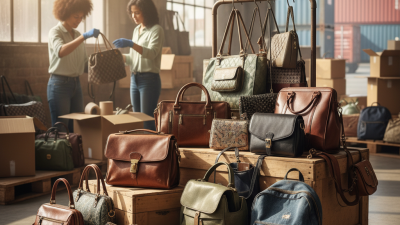
To succeed in used bag export, businesses must focus on sourcing quality items. Not all used bags are suitable for export. They should be durable and in good condition, appealing to international buyers. Providing clear photos and detailed descriptions helps build trust and credibility. Quality assurance is non-negotiable.
Additionally, understanding international regulations is crucial. Some regions have specific rules regarding used goods. Failing to comply can lead to costly setbacks. Research the target markets thoroughly. Each country has distinct preferences and requirements. Reflection on these elements can help prevent mistakes and improve the export process.

Understanding Global Market Demand for Used Bags
The global market for used bags has been steadily evolving. With a significant surge in environmental awareness, buyers are now more inclined to consider sustainable options. According to a report by the Global Market Insights, the recycled bag market is expected to reach USD 6 billion by 2026. This presents a valuable opportunity for exporters looking to tap into global demand.
In various regions, consumer preferences vary greatly. For instance, European buyers often seek bags made from high-quality materials. They prioritize durability and design over lower costs. Meanwhile, markets in Asia may focus on affordability and functionality. Understanding these nuances is essential for effectively reaching diverse global buyers. Reports indicate that 68% of consumers from certain markets believe sustainability in packaging greatly influences their purchasing choices.
However, challenges still exist. Exporters need to navigate complex regulations and varying quality standards. These factors can hinder smooth transactions. Engaging with local partners or industry experts can help exporters better adapt to market expectations. It’s critical to stay informed about trends and regulations to ensure a successful exportation process.
Identifying Legal and Regulatory Requirements for Exports
When exporting used bags, understanding legal and regulatory requirements is crucial. Different countries have various import regulations that can impact your business. For example, according to the International Trade Administration, nearly 50% of exports face complex compliance issues. This complexity can create challenges in ensuring that products meet destination country standards.
Documentation is essential in this process. Exporters must provide accurate invoices, packing lists, and certificates of origin. A World Trade Organization report highlights that proper documentation can reduce export delays by up to 30%. Inaccuracies in paperwork can lead to fines or shipments being returned, adding to costs. Staying informed about regulations in the target market helps mitigate these risks and ensures compliance.
Some exporters overlook environmental regulations related to used goods. Many countries have stringent laws regarding the recycling and disposal of textile goods. Failure to comply can result in severe penalties. Engaging local legal or trade experts can offer insights into maintaining adherence with these regulations, further enhancing reliability in the export process.
Choosing the Right Shipping and Logistics Solutions
When exporting used bags to global buyers, selecting the right shipping and logistics solutions is crucial. Research shows that inefficient logistics can increase operational costs by up to 25%. Understanding different shipping options like air freight, sea freight, or a combination influences not just delivery speed, but also overall cost. For instance, while air freight is faster, it can be significantly more expensive than sea freight, which is often the preferred option for bulk shipments.
Another key factor is customs clearance. Many exporters overlook the importance of understanding destination countries' regulations. Failure to comply can lead to delays, penalties, or even confiscation of goods. Statistics indicate that 30% of shipments face delays due to customs issues. Working with an experienced logistics partner can mitigate these risks. They provide insights on documentation requirements, ensuring that all paperwork is accurate and complete.
Lastly, consider tracking and communication. Transparent tracking systems give buyers confidence and reduce anxiety. Many logistics companies now offer real-time tracking, enhancing buyer engagement. However, reliance on technology can backfire. There may be technical glitches or delays in updates. Striking a balance between technology and personal communication can improve the shipping experience for both the exporter and the buyer.
Establishing Relationships with International Buyers
Establishing relationships with international buyers is crucial for successfully exporting used bags. Start by researching potential buyers' markets. Understand their preferences and requirements. Join online forums and groups related to sustainable fashion or recycled materials. Engage actively with the community. This not only builds credibility but also opens up networking opportunities.
Reach out using personalized messages. Highlight your experiences with exporting used bags. Make sure to share stories that illustrate your commitment to sustainability. Being genuine fosters trust. Offer small samples of your products to potential buyers. This allows them to assess the quality without commitment. It’s a practical approach but requires careful planning.
Follow up regularly but avoid being too pushy. Some buyers may take time to decide. Share industry insights or relevant news to keep the conversation alive. However, ensure these updates add value. Reflect on your communication style and adjust as needed. It’s vital to be attentive to buyer responses. Not every interaction will lead to a sale, but each one offers learning opportunities.
Global Market Demand for Used Bags by Region
Marketing Strategies for Selling Used Bags Abroad
When exporting used bags internationally, the right marketing strategy is crucial. Start by identifying your target market. Research regions that have a demand for pre-owned bags. This could range from vintage enthusiasts to eco-conscious consumers. Understanding their preferences shapes how you showcase your products. High-quality images and detailed descriptions help convey the unique character of each bag.
Utilizing social media platforms effectively can expand your reach. Create engaging posts that highlight the sustainability aspect of buying used bags. Consider collaborations with influencers who share similar values. Their endorsement can boost your credibility and attract more buyers. You can also join online marketplaces focused on second-hand goods, as this connects you with dedicated shoppers.
However, challenges may arise. Language barriers and cultural differences can complicate communication. Be open to feedback and willing to adapt your approach. Not every campaign will be a success. Reflecting on what works and what doesn’t is important for growth. Persistence in refining your strategy can make a significant difference in reaching global buyers effectively.