Top 10 Tips for Successfully Exporting Used Bags Worldwide
The global market for used bags export has seen significant growth in recent years, driven by increasing consumer awareness of sustainability and the circular economy. According to a report by the Global Recycling Foundation, the global market for second-hand goods, including bags, is projected to reach $64 billion by 2024. This trend underscores the shifting consumer preferences towards eco-friendly products, providing a lucrative opportunity for businesses looking to tap into the used bags market.
Successfully exporting used bags requires more than just understanding market demand; it involves navigating complex logistics, adhering to international regulations, and developing strong partnerships with stakeholders. In addition, a study from Market Research Future highlights that the global resale market for clothing and accessories, including bags, is expected to grow at a CAGR of 24% over the next five years, signaling the need for exporters to adapt to evolving consumer behaviors and preferences. By leveraging industry insights and implementing effective strategies, businesses can not only thrive in the used bags export sector but also contribute to global sustainability efforts.
In this article, we will explore the top 10 tips for successfully exporting used bags worldwide, providing actionable insights for businesses aiming to capitalize on this burgeoning market and foster a more sustainable future.

Understanding Global Regulations for Used Bag Exports
When exporting used bags worldwide, it is crucial to have a thorough understanding of the global regulations that govern such transactions. Different countries have varying standards and rules concerning the importation of used goods, particularly textiles and bags. Exporters must familiarize themselves with the specific regulations of the destination country, which may include sanitary and safety standards, import duties, and labeling requirements.
This includes ensuring that the bags are free from hazardous substances and meet the necessary quality and safety certifications that the importing country mandates.
In addition to complying with destination-specific regulations, it is essential for exporters to stay updated on international trade agreements or restrictions that may impact the shipment of used bags. Some regions may have restrictions linked to environmental considerations, and exporters should ensure their practices align with sustainable trade principles.
Proper documentation is also critical; this includes invoices, export licenses, and certificates of conformity, which must accurately reflect the nature of the goods. By understanding and adhering to these global regulations, exporters can navigate the complexities of international trade and ensure a smooth transaction process.
Identifying Target Markets for Used Bags
Identifying target markets for used bags requires extensive market research and a deep understanding of regional needs. One crucial step is to differentiate markets based on economic status, demographic trends, and consumer behaviors. Emerging markets often show a growing demand for affordable and sustainable options, making them ideal candidates for used bag exports. For instance, developing nations may seek used bags to tap into eco-friendly practices while also addressing affordability concerns. This trend highlights the opportunity to contribute positively to both the economy and the environment.
Another essential factor is cultural preferences and fashion sensibilities in different regions. Certain areas may prioritize functionality and durability, while others may lean towards aesthetic appeal. Engaging with local communities and gaining insights into their preferences can inform the selection of used bags that would resonate well with consumers. Tailoring marketing strategies to showcase the benefits of used bags, such as sustainability and unique styles, can significantly enhance their appeal in the chosen target markets. Therefore, a strategic approach to identifying and understanding these preferences will be key to successful exports.
Top 10 Tips for Successfully Exporting Used Bags Worldwide - Identifying Target Markets for Used Bags
| Target Market |
Main Characteristics |
Demand Trends |
Regulatory Considerations |
Logistical Challenges |
| United States |
High demand for sustainable products |
Growing interest in eco-friendly options |
Compliance with FTC regulations |
Complex logistics due to size |
| Germany |
Strong focus on recycling and waste reduction |
High demand for used bags |
Strict EU regulations |
Transport costs due to regulatory checks |
| Japan |
Cultural appreciation for quality and brand |
Growing market for second-hand goods |
Product safety standards |
Port congestion and customs delays |
| Australia |
Increasing environmental awareness |
Rising demand for reusable items |
Import restrictions on used goods |
Distance and shipping costs |
| Canada |
Preference for socially responsible brands |
Stable demand for second-hand products |
Customs regulations |
Variable provincial regulations |
| Brazil |
Expanding middle class |
Growing market for used goods |
Complex import process |
Infrastructure issues |
| South Africa |
Thirst for affordable options |
Increase in thrift shopping |
Taxes and tariffs |
High shipping costs |
| India |
Rapid urbanization and economic growth |
Increasing demand for durable products |
Regulatory tariffs |
Complex supply chain logistics |
| Mexico |
Young population with changing habits |
Interest in vintage and upcycled products |
Import documentation |
Traffic and transportation delays |
| United Kingdom |
High awareness of climate change issues |
Popular market for vintage items |
Post-Brexit regulations |
Logistical challenges due to regulations |
Preparing Bags for Export: Cleaning and Inspection
When preparing used bags for export, the first crucial step is thorough cleaning. This involves removing any dirt, debris, or odors that may have accumulated over time. Using a mild detergent and warm water, gently scrub the exterior and interior surfaces of the bags.
Pay special attention to zippers, pockets, and seams where dirt can easily hide. After cleaning, bags should be well rinsed and left to air dry completely, as any moisture left in the fabric can lead to mold and mildew during transit.
Once the bags are clean, a detailed inspection is necessary to ensure they meet both quality standards and export requirements. Check for any wear and tear, including frayed straps, broken zippers, or damaged linings. It’s essential to assess the overall condition and functionality of each bag, as exporting goods that are subpar can lead to customer dissatisfaction.
Any bags that do not meet the required standards should be either repaired or excluded from the shipment. Properly prepared used bags not only enhance your reputation as a reliable exporter but also comply with international shipping regulations, making the process smoother for both you and your customers.
Logistics and Shipping Solutions for Used Bag Distribution
When exporting used bags globally, understanding logistics and shipping solutions is vital for a successful operation. According to a report by the International Society of Logistics, the global logistics market is expected to reach $12 trillion by 2027, indicating significant growth opportunities for exporters.
Efficient logistics involve not only selecting the right shipping partners but also understanding the intricacies of customs regulations and documentation. For used bags, categorizing them correctly under various tariffs can help avoid delays and extra costs.
Moreover, adopting sustainable shipping methods can enhance brand reputation while reducing the carbon footprint. In a study by the World Economic Forum, it was found that improving shipping efficiency can lower emissions by up to 20%.
Utilizing intermodal transport options allows exporters to switch between different types of transport (e.g., road, rail, sea) to optimize routes and reduce costs.
Furthermore, ensuring that packaging is eco-friendly and adequately protects the products can prevent losses during transit, which is crucial considering that nearly 30% of products can be damaged during shipping based on recent industry analyses.
Marketing Strategies to Promote Your Used Bags Internationally
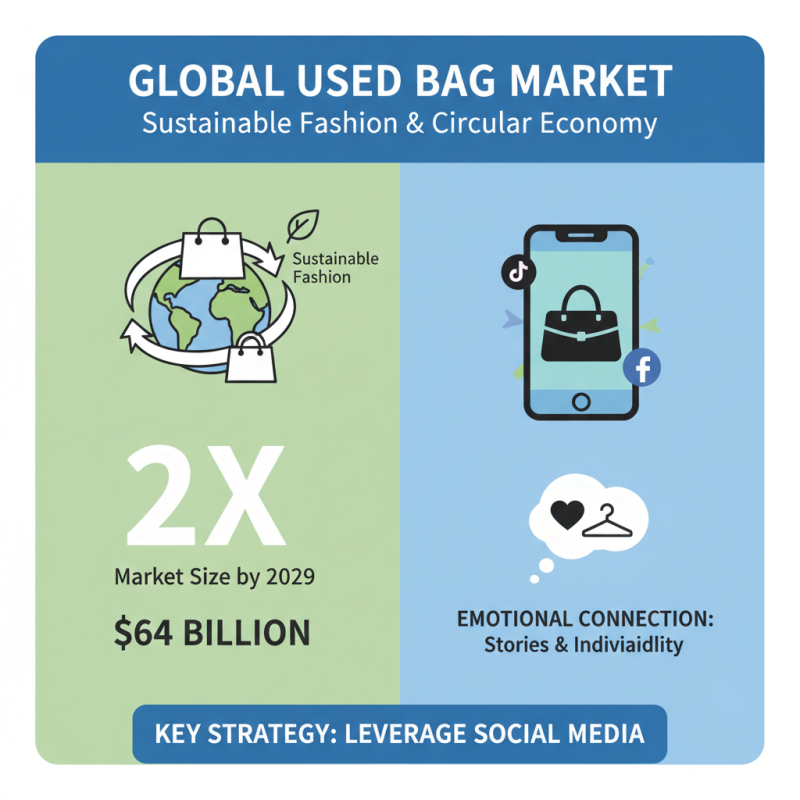
Exploring global markets for used bags presents a unique opportunity for businesses to tap into sustainable fashion trends while promoting environmental responsibility. According to a report by the Global Fashion Agenda, the second-hand fashion market is projected to double in size by 2029, reaching an estimated value of $64 billion. To capitalize on this burgeoning sector, effective marketing strategies are essential. This can include leveraging social media platforms to showcase the unique stories behind each bag, connecting emotionally with potential buyers who value sustainability and individuality.
Additionally, participation in international trade fairs and eco-focused events can significantly enhance visibility. Presenting used bags in a curated manner at such events allows businesses to engage with like-minded audiences and create valuable partnerships. According to ResearchAndMarkets, the global eco-fashion market is expected to grow at a CAGR of 9.7% from 2021 to 2028, indicating that an increasing number of consumers are shifting towards environmentally conscious purchasing behavior. By aligning marketing efforts with these insights, businesses can effectively position their products as not only stylish but also a responsible choice in a global marketplace increasingly focused on sustainability.