China Top Mixed Branded Clothes Bundle Suppliers
China’s Mixed Branded Clothes Bundle suppliers are gaining attention as retailers seek flexible, lower-risk inventory. The global secondhand apparel market could reach $367 billion by 2029, according to the 2025 Resale Report by ThredUp and GlobalData. This growth creates opportunities for wholesalers, online sellers, and independent stores.
China’s manufacturing network offers practical advantages. Suppliers can sort garments by category, season, condition, size, and brand tier. A well-prepared bundle may include denim jackets, cotton shirts, knitwear, sportswear, and lightweight coats. Clear grading matters. So does documentation.
The Textile Exchange Materials Market Report 2024 estimated global fiber production at 124 million tonnes in 2023. It projects production could approach 160 million tonnes by 2030. These figures underline the need for better reuse and inventory planning. However, volume alone does not guarantee commercial value. Not every bundle fits every market.
Reliable buyers should request recent warehouse photos, packing videos, sample cartons, size ratios, and defect percentages. They should also confirm brand provenance, labeling accuracy, customs requirements, and return terms. Independent inspection can reduce unpleasant surprises. Small details matter.
A strong supplier relationship requires evidence, not impressive claims. Some listings remain too vague. That is a weakness.
This guide examines leading China Top Mixed Branded Clothes Bundle Suppliers through quality control, product consistency, pricing transparency, logistics performance, and responsible sourcing practices. The goal is practical comparison, while recognizing that supplier performance may vary between shipments.
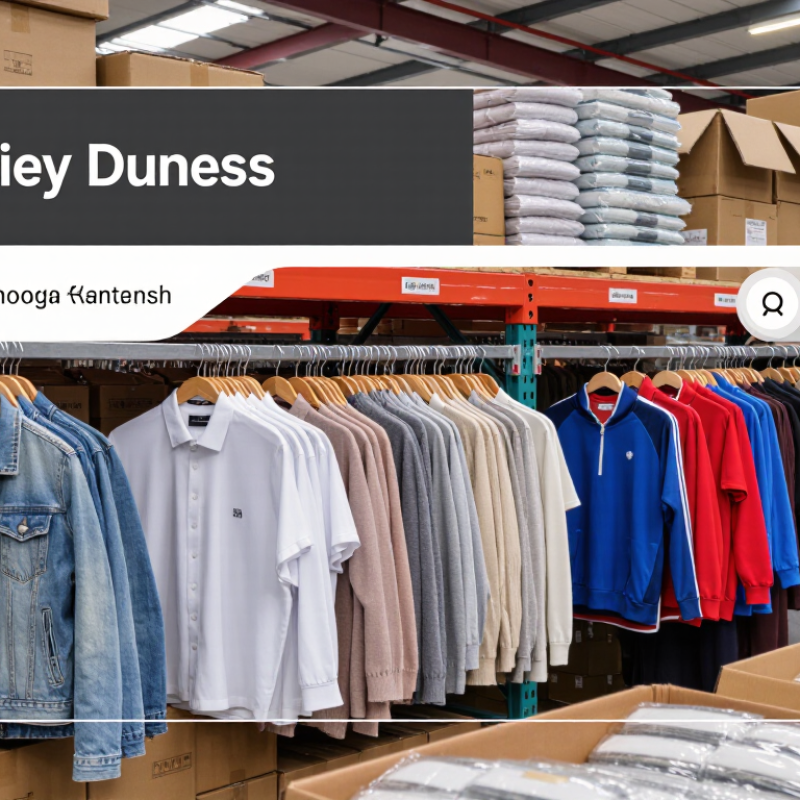
What Are Mixed Branded Clothes Bundles?
China Top Mixed Branded Clothes Bundle Suppliers
What Are Mixed Branded Clothes Bundles?
Mixed branded clothes bundles are bulk packages containing assorted garments from recognized labels, styles, seasons, and size ranges. A bundle may include T-shirts, hoodies, jackets, jeans, or sportswear. The exact mix usually changes with available stock.
In practical sourcing, suppliers may combine overstock, cancelled orders, outlet inventory, or customer returns. Some bundles contain new clothing with original tags. Others may show light handling marks, folded fabric lines, or damaged packaging. This difference matters. Buyers should request clear grading rules before placing an order.
Reliable Chinese suppliers normally provide product photos, packing details, size ratios, and condition reports. Experienced buyers also ask whether the goods are verified through lawful supply channels. A simple inspection can reveal loose stitching, faded prints, missing buttons, or inconsistent sizing. These details affect resale value.
The term “branded” should not be accepted without evidence. Ask for invoices, authorization records, or traceable sourcing documents when appropriate. A supplier who avoids basic questions creates unnecessary risk. Still, even a well-documented bundle may contain slow-moving items. That is the part I would reconsider before ordering too much.
A practical trial order can reduce surprises. Check ten to twenty pieces by hand, record defects, and compare the delivered ratio with the agreed list. This small step often exposes problems earlier than a large shipment.
What Are Mixed Branded Clothes Bundles?
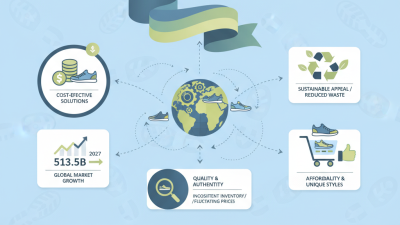
A mixed branded clothes bundle is a wholesale lot containing different garment types, sizes, colors, and styles. This chart shows an example allocation of 100 clothing pieces, without identifying any company or brand. Actual bundle contents may vary according to season, sourcing channel, quality grade, and supplier specifications.
How China’s Leading Bundle Suppliers Operate
China’s leading mixed branded clothes bundle suppliers operate through controlled sourcing, sorting, and export preparation. They collect surplus inventory, customer returns, and pre-owned garments from verified channels. Workers inspect each item for fabric damage, stains, missing labels, and size accuracy. Products then move into grades such as premium, standard, or repair-needed. This process feels simple, but quality can change between batches.
The ThredUp 2024 Resale Report estimates that the global secondhand apparel market could reach 350 billion dollars by 2028. This growth encourages suppliers to improve traceability and grading systems.
Reliable warehouses use barcode records, weight checks, and sample inspections before sealing cartons. Buyers may request a packing list, defect ratio, product photos, and a pre-shipment inspection.
Some suppliers also separate seasonal clothing by climate, size, and material. That detail matters when a 50-kilogram bundle reaches a different market. The process is not perfect. Human grading still creates disagreement, especially with lightly worn garments.
Tips: Ask for a recent inspection video, not only catalog photos. Confirm the minimum order weight and acceptable defect percentage. Request a small trial bundle before placing a larger order. The Global Fashion Agenda reports that fashion production continues to create significant resource pressure, so responsible suppliers should reduce unnecessary packaging and document recycling practices. Clear records build trust. Vague promises do not.
Key Criteria for Evaluating Chinese Clothing Bundle Suppliers
China Top Mixed Branded Clothes Bundle Suppliers: Key Criteria for Evaluating Chinese Clothing Bundle Suppliers
China remains a major apparel sourcing center. The WTO World Trade Statistical Review 2024 reports that China supplied about 31.6% of global clothing exports in 2023. This scale creates choice, but also uneven quality. Evaluate suppliers through verifiable evidence, not attractive catalog photos. Request recent warehouse videos, business registration details, export records, and a complete packing list before ordering.
Product consistency deserves close attention. Ask how garments are sorted by category, season, size, material, and condition. A reliable supplier should explain grading terms clearly and provide sample bundles. Check stitching, zippers, stains, odors, labels, and actual weight. The Textile Exchange Materials Market Report 2024 estimates global fiber production reached 124 million tonnes in 2023. That figure highlights the importance of material transparency and accurate fiber descriptions. Small details matter.
Use a third-party inspection before shipment. Compare the approved sample with the packed goods, including carton count and bale weight. Ask for the defect rate in writing, although reported figures may be optimistic. A supplier can pass a video call and still disappoint. Payment protection, traceable invoices, and clear claims procedures reduce that risk. The UNCTAD Review of Maritime Transport 2024 also shows how shipping disruptions can affect delivery schedules and costs. Confirm the shipping term, loading port, lead time, and contingency plan. Cheap is not always efficient. Reliable evidence is.
Popular Types of Mixed Branded Clothing Bundles
Popular mixed branded clothing bundles are changing how wholesale buyers manage stock. The most requested types include seasonal casualwear, denim assortments, sportswear, outerwear, and children’s clothing. Each bundle serves a different resale setting.
According to the 2024 ThredUp Resale Report, the global secondhand apparel market could reach 350 billion dollars by 2028. This growth supports demand for varied wholesale lots, especially affordable casualwear. Denim bundles remain practical because jeans, jackets, and skirts sell across several seasons. Sportswear lots often include track jackets, training tops, leggings, and lightweight shorts. Buyers should check fabric stretch, size distribution, and visible wear.
Seasonal bundles need closer inspection. A winter lot may contain wool coats, padded jackets, knitwear, and scarves. A summer lot may include cotton shirts, linen trousers, dresses, and swim cover-ups. According to Textile Exchange’s Preferred Fiber and Materials Market Report, material choice remains important as the apparel sector faces growing resource pressure. Cotton and recycled-fiber pieces may attract buyers, but fiber labels must be verified.
Experienced suppliers sort bundles by category, condition, size, and market demand. Clear photographs and packing lists reduce surprises. Still, mixed lots are not perfectly uniform. One carton may contain excellent jackets and slower-moving sizes. That risk deserves attention. Trial orders are safer than large purchases, even when the unit price looks attractive.
How to Source and Verify a Reliable Supplier
China’s mixed branded clothing market offers variety, but supplier verification requires more than attractive photos. A dependable supplier provides a clear company profile, warehouse address, registration details, and responsive contact information. Ask for recent warehouse videos showing sorted jackets, shirts, trousers, labels, and packing areas. Live video calls can reveal useful details.
Request a small trial bundle before placing a large order. Check fabric condition, sizing, stains, odors, loose threads, and accurate quantity. Compare the packing list with the received carton. A reliable supplier should explain grading standards, defect rates, replacement terms, and shipping procedures in writing. Vague answers deserve caution.
Lawful sourcing matters. Ask for proof of legal origin, purchase records, and permission to distribute the goods. Avoid suppliers offering suspiciously low prices or refusing product documentation. Independent inspections can verify carton counts and random sample quality before payment. Keep invoices, messages, inspection reports, and shipping records together. They create a practical audit trail.
A polished catalog can still hide inconsistent stock. I have learned that one successful sample proves very little. Repeated orders reveal the real pattern. Even careful checks may miss unusual defects, so leave room for uncertainty in your purchasing plan. Supplier verification is not a single task. It is an ongoing comparison between promises, paperwork, and delivered clothing.