Top Quality Mixed Vintage Used Clothes Bales for Purchase?
The demand for sustainable fashion continues to rise as consumers become more environmentally conscious. According to a recent report by the Global Recycling Foundation, over 92 million tons of textile waste are generated globally each year. This shift in consumer behavior has sparked interest in Mixed Vintage Used Clothes Bales. These bales offer a unique blend of vintage garments that appeal to both thrift shoppers and fashion resellers.
Merchants sourcing Mixed Vintage Used Clothes Bales can tap into a lucrative market. Vintage clothing items often command higher prices and showcase individuality. A study by ThredUp predicts that the secondhand market will reach $64 billion by 2028. This growth highlights the potential profitability of investing in high-quality used clothing. However, not all bales are created equal, and quality can vary significantly.
Buying Mixed Vintage Used Clothes Bales requires careful consideration. The bales should be inspected for damage and overall condition. Sellers often provide limited information about contents, leading to uncertainty. This underscores the importance of choosing reputable suppliers known for their quality. As the secondhand clothing market evolves, understanding these nuances can lead to more informed purchasing decisions.
Understanding Vintage Used Clothes Bales: An Overview
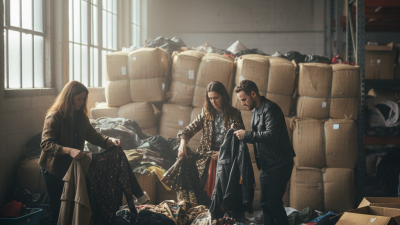
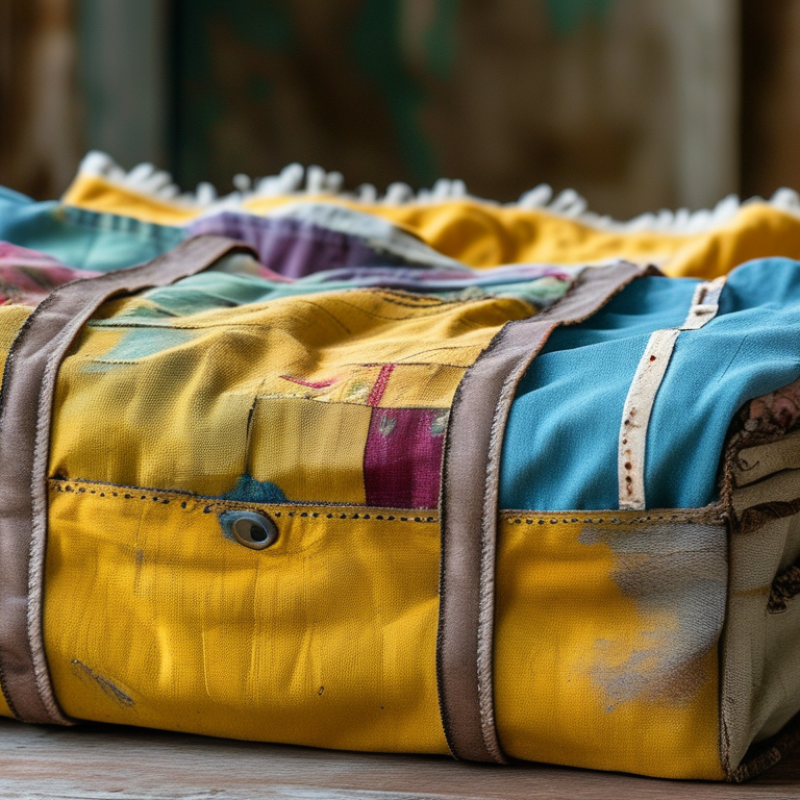
Vintage used clothes bales are a fascinating niche in the fashion industry. They contain a variety of garments sourced from different eras. The charm of these bales lies in their unpredictability. Each bale is like a treasure chest, filled with potential finds waiting to be discovered. You never know what styles and fabrics may emerge.
Understanding the composition of these bales is crucial. They usually consist of assorted clothing items, including dresses, shirts, and accessories. The quality can vary significantly. Some pieces are in excellent condition, while others may show signs of wear. This variability requires a discerning eye. Selecting the right bale necessitates experience and knowledge about vintage clothing trends.
Investing in vintage bales is not without its challenges. Some bales may contain damaged or unsellable items. It's important to assess the risk versus reward. Not every purchase will yield a profitable resale. However, for those committed to thrifting and sustainable fashion, the rewards can be worthwhile. Engaging with this market offers a unique window into fashion history and the opportunity to curate something special.
Benefits of Purchasing Mixed Vintage Used Clothes Bales
Purchasing mixed vintage used clothes bales offers numerous benefits for retailers and fashion enthusiasts alike. Vintage clothing has seen a resurgence in popularity, with the secondhand market projected to reach $64 billion by 2024, according to a study by ThredUp. This trend indicates a growing consumer desire for unique and sustainable fashion options. By sourcing vintage bales, businesses can tap into this demand while also contributing to eco-friendly practices.
Mixed bales often contain a diverse range of items, from denim jackets to whimsical accessories. This variety allows retailers to curate unique collections that stand out in a saturated market. However, it's essential to recognize that not every item in a bale may be sellable. Retailers should be prepared to sift through pieces to find gems worth showcasing. While this may require extra effort, it fosters creativity and a deeper connection with the merchandise. Ultimately, the rewards can be substantial, as vintage items often yield higher profit margins.
Moreover, purchasing bales allows businesses to maintain a sustainable inventory. With the fast fashion industry producing vast amounts of waste, mixed vintage clothing serves as a compelling alternative. According to the Ellen MacArthur Foundation, the fashion industry contributes to about 92 million tons of waste annually. Scavenging through used clothing bales encourages a shift towards circular fashion, which can resonate well with eco-conscious consumers. This approach not only supports brand loyalty but also positions businesses at the forefront of the sustainability movement.
Where to Source High-Quality Vintage Used Clothes Bales
When searching for the best sources of mixed vintage used clothes bales, it’s crucial to consider quality. High-quality bales can significantly impact your resale business. The fabric should feel good to the touch, and the styles should reflect current trends. Look for suppliers who provide detailed descriptions of the bales. Transparency is key.
Attending vintage markets and textile fairs is an excellent way to learn. Connecting with vendors can yield invaluable insights. You might discover local warehouses that offer bulk selections. Remember, not all bales are created equal. It’s essential to inspect samples whenever possible.
Networking with other vintage sellers can provide leads on reliable suppliers. Online forums and social media groups are gold mines for finding recommendations. Yet, keep in mind that some sellers may not always deliver what they promise. Trust your instincts and validate sources before making a commitment. Quality should never be compromised for price.
Factors Influencing the Quality of Vintage Clothes Bales
When considering the purchase of vintage clothes bales, several factors significantly influence their quality. The sourcing of materials plays a crucial role. Reports indicate that bales containing clothes from high-end brands often yield better results than those from lower-tier sources. The fabric's condition depends on how it was stored prior to purchase. If the clothes were kept in damp or poorly ventilated areas, quality declines.
Proper sorting processes also affect the final quality. Research shows that bales that have undergone rigorous selection are more likely to include wearable items. Conversely, mixed bales without thorough sorting can contain a higher percentage of damaged goods, which may lead to lost sales for retailers.
Tips: Always request detailed information about the sourcing and sorting methods used for bales.Inspecting samples can also reveal potential issues. Look for bales that emphasize a curated selection, as these typically offer a better experience and higher quality items. Not all vintage bales are created equal, so it's essential to shop wisely.
Tips for Evaluating and Selecting the Right Clothes Bales
When selecting mixed vintage used clothes bales, careful evaluation is essential. Industry reports indicate that the resale market for second-hand clothing is thriving, showing an estimated growth rate of 24% annually. This vibrant market offers various bales, each differing in quality and style. A clear understanding of bale content can guide your purchase decisions.
Inspect the bale for visual signs of quality. Look for well-preserved fabrics and unique designs. According to data, customers are increasingly drawn to sustainability, impacting their purchasing preferences. A variety of styles, from casual wear to formal attire, increases the appeal. Ensure you feel confident in the selection process, as some bales may contain undesirable items.
Consider the cost of each bale versus potential resale value. Conduct market research to gauge demand for specific styles. Remember, not every bale will yield high profits. Analyzing sales data from similar products can provide insights. If a bale contains items that don’t sell well, reflect on your approach. Balancing quality and price is vital for informed decisions in this competitive market.