
Prefab Container Houses have gained immense popularity. They offer a unique blend of modern Design and practicality. These structures can be eco-friendly and affordable. However, there are many factors to consider.
Choosing the right location is crucial. Not all sites are suitable for prefab construction. Ensure you check local zoning laws and utilities. Additionally, think about the size and layout. A poorly planned space could lead to discomfort.
Professionals can help streamline the process. But remember, their services might come at a cost. Setting a realistic budget is important. Unexpected expenses can quickly add up. Reflect on your requirements and make adjustments as necessary. A well-planned journey can lead to a beautiful prefab container home.
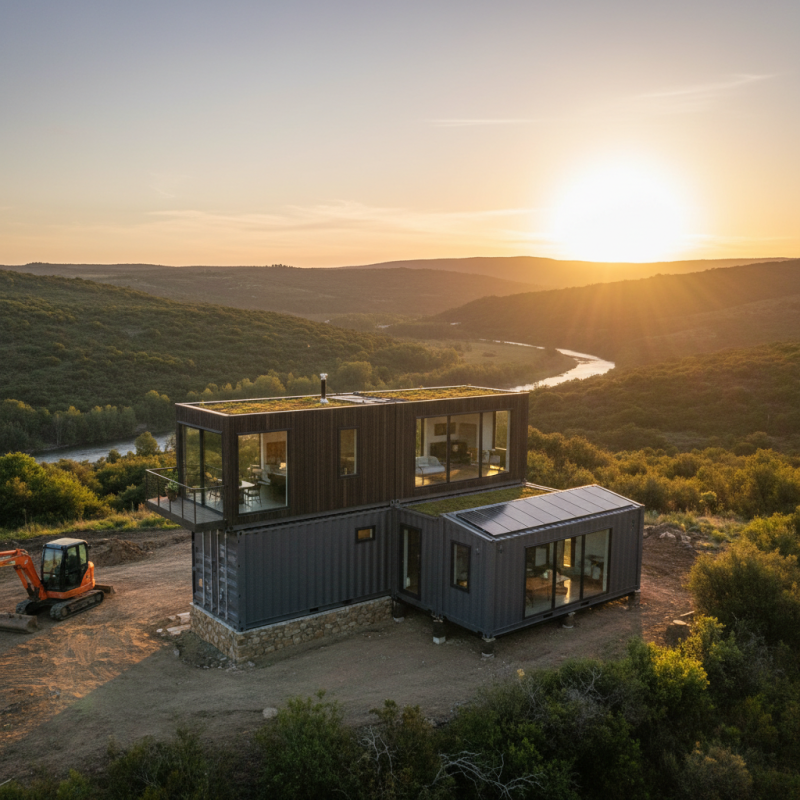
When choosing a prefab container house, several essential considerations can guide your decision. Space utilization is critical. The average container house measures about 320 square feet. Ensure you design efficiently. Open floor plans can create a more spacious feeling. Factor in additional space for storage and furniture.
Climate conditions also play a vital role in your decision. According to industry reports, insulation is crucial in extreme weather areas. Poor insulation can lead to heat loss of up to 30%. This translates to higher energy bills. Opt for quality materials that withstand local conditions.
Cost is another major consideration. Many people overlook hidden expenses. Site preparation, permits, and transportation can add up quickly. Researching local building codes can save you headaches later. Not all configurations will meet regulations. In some areas, container homes are still viewed with skepticism. Understanding these factors can shape your expectations significantly.
Living in a prefab container house offers numerous benefits that are hard to ignore. For one, these homes can be built in a fraction of the time compared to traditional houses. A report by the International Organization for Standardization indicates that prefab construction can reduce building time by up to 50%. This efficiency means less disruption and quicker occupancy.
Another advantage is affordability. A study from the National Association of Home Builders highlights that homeowners can save up to 30% on construction costs with prefab homes. That’s significant for many potential buyers. Plus, these structures often come with sustainable options. They can be designed to utilize solar energy or repurposed materials, minimizing their carbon footprint. However, buyers should be cautious about local zoning laws, which can impact where these homes can be placed.
Prefab container houses also provide flexibility. They can be easily relocated or expanded as needed. Yet, the size limitations can be a drawback for some families. Living in a container house might feel cramped without smart design choices. Careful consideration is essential to make the most out of the space available. Finding a balance between minimalist living and comfort is crucial for those interested in this lifestyle.
Container homes offer unique design and aesthetic options that cater to various tastes. From modern minimalism to rustic charm, they're versatile structures. The industrial look is quite popular, with steel frames and exposed elements. This style embraces the raw material and celebrates its authenticity. Incorporating large windows can enhance natural light, creating an open feel.
Another aesthetic choice is to add vibrant paint or colorful accents. This can inject personality into the exterior. Using plants and greenery can soften the steel look. Decks or surrounding patios can further enhance outdoor living spaces. However, it's crucial to consider the climate in your design. Certain materials may not withstand harsh weather well. You might find that your initial choices require adjustments for functionality or comfort.
Many people overlook the importance of interior layout in container homes. Open plans may seem appealing but can be challenging for privacy. Small spaces can feel cramped without careful planning. Storage solutions can become an afterthought, leading to clutter. Reflecting on these elements is essential to create a harmonious living environment. Ultimately, embracing imperfections in design can lead to unique and personal spaces.
Prefab container homes offer a unique financial angle in today’s housing market. The average cost of building a traditional home can reach up to $300,000, while prefab units often start around $10,000. This significant cost advantage can be enticing. However, hidden expenses can arise, such as land acquisition and utility connections. These can add thousands to the overall budget.
Financing options vary widely for these homes. Some lenders require a higher down payment due to their unconventional nature. In addition, potential buyers should consider insurance costs, which can differ from traditional homes. Recent studies show that about 75% of potential owners are unaware of these financial nuances. Thus, it's essential to conduct thorough research before diving in.
Investing in prefab container homes can be a smart choice, but it’s not without pitfalls. Unexpected costs like transportation and installation can rise unexpectedly. Some homeowners report feeling overwhelmed by the multifaceted financial aspects. Understanding these challenges is crucial in making informed decisions.
| Tip Number | Tip Title | Description | Estimated Cost |
|---|---|---|---|
| 1 | Choose the Right Location | Analyze zoning laws and land costs before purchasing. | $1,000 - $5,000 |
| 2 | Budget for Transportation | Include shipping costs in your overall budget. | $500 - $3,000 |
| 3 | Select the Right Design | Consider functionality and aesthetics in your design. | $2,000 - $15,000 |
| 4 | Plan for Utilities | Ensure access to water, electricity, and sewage systems. | $3,000 - $10,000 |
| 5 | Consider Eco-Friendly Materials | Opt for sustainable and energy-efficient materials. | $1,000 - $5,000 |
| 6 | Understand Your Financing Options | Explore loans, grants, or other funding sources. | Varies |
| 7 | Incorporate Weatherproofing | Protect your container home against elements. | $1,000 - $4,000 |
| 8 | Factor in Maintenance Costs | Regular upkeep will affect long-term budgets. | $200 - $1,000/year |
| 9 | Learn About Permits | Check what permits or licenses are needed. | $100 - $1,500 |
| 10 | Plan for Resale Value | Research market trends for potential future value. | Varies |
Container houses are gaining popularity due to their affordability and unique design. However, without proper maintenance, these structures can suffer. Regular checks of the exterior are crucial. Look for rust or damage to the containers. According to a report by the International Organization for Standardization, 80% of container-related issues stem from neglect.
Ensure proper sealing around windows and doors. This prevents water damage. Moisture can lead to mold, which can jeopardize health. A survey indicated that nearly 26% of container homeowners faced mold issues within the first five years. It’s important to act quickly. Use breathable paints to minimize moisture buildup on surfaces.
Regularly inspect and maintain insulation. Quality insulation enhances energy efficiency. A poorly insulated container can significantly increase energy costs, up to 40%. A well-maintained container house should be upgraded every few years. This not only improves comfort but also retains value. When in doubt, consult a professional for an inspection. Ignoring these issues now could lead to larger repairs later.
