Leave Your Message

Top 10 Ukay Shoes Wholesale Suppliers Worldwide

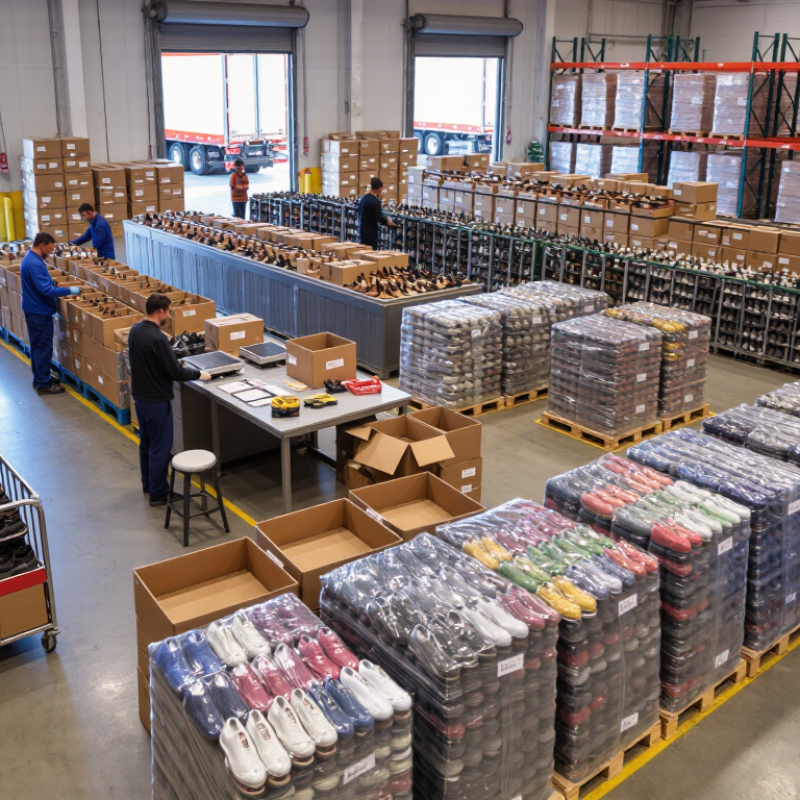
Finding reliable Ukay Shoes wholesale suppliers worldwide takes more than comparing prices. Buyers also need clear product grades, consistent communication, and realistic shipping terms. A low quoted cost may not include sorting, packing, or customs-related charges. Those details matter. This guide introduces ten wholesale suppliers and offers a practical starting point for comparing their services.

Ukay Shoes can vary widely in condition, style, size range, and availability. One bale might contain wearable everyday pairs, while another may require careful inspection and more sorting. Ask suppliers how they grade footwear, whether they provide recent photos, and what happens when an order differs from its description. Request written quotations and confirm minimum order quantities, payment terms, delivery estimates, and return policies before committing. Small checks help.

The suppliers featured here serve different markets and may suit different business models. Some buyers prioritize mixed selections; others need predictable categories or larger volumes. Supplier details can change, so verify current stock and terms directly rather than relying on an old listing. This overview cannot guarantee product quality or commercial results. That limitation deserves attention. Use it to guide questions, compare evidence, and assess whether a supplier’s practices fit your customers, budget, and local requirements. A careful first order is often more informative than a confident promise.
Top 10 Ukay Shoes Wholesale Suppliers Worldwide

Understanding Ukay Shoes and the Global Wholesale Market

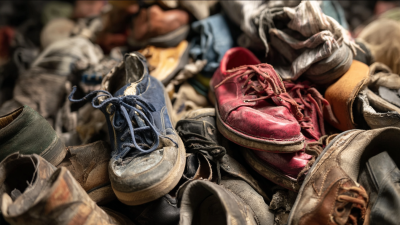
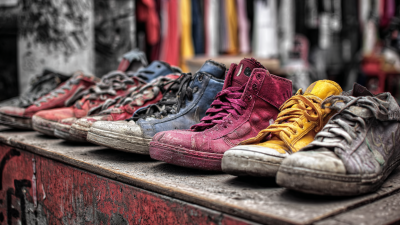
Ukay commonly refers to pre-owned clothing and footwear sold through resale channels. In the wholesale market, shoes may be sorted by type, size, condition, or packed in mixed lots. Those labels are not always consistent. One supplier’s “good condition” might include scuffed soles; another may exclude them. Ask for the grading rules in writing, plus recent photos and a sample inventory list. A lot with 100 pairs can still contain uneven sizes or slow-selling styles. That matters when your customers expect specific fits and wearable condition.

Tips: Confirm pair counts, size ranges, visible defects, and packing method before paying. Ask whether photos show the actual lot. Calculate shipping and handling alongside the unit price. Keep written records.

International buying adds time and uncertainty. Transit delays, currency changes, and import charges can shift the final cost, so check current requirements with the relevant authorities or a qualified customs professional. Compare suppliers by usable pairs, not headline price alone. A cheaper lot may need more cleaning, repairs, or sorting. Even careful planning misses something now and then; record returns and unsold sizes, then adjust your next order.
How to Evaluate Ukay Shoes Wholesale Suppliers

How to Evaluate Ukay Shoes Wholesale Suppliers

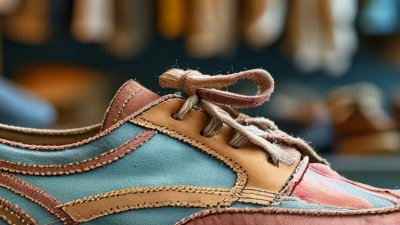
Reliable ukay shoe sourcing starts with evidence, not attractive catalog photos. Ask for a current stock list, clear grading definitions, and close-up images of sample pairs. Check soles, stitching, insoles, and size labels under good lighting. A small sample order can reveal mixed sizing, odor, or wear that photos hide. Ask how the supplier handles inconsistent grades and damaged pairs. Get answers in writing.

The 2024 ThredUp Resale Report projected the global secondhand apparel market could reach $350 billion by 2028. That figure signals broader resale growth, but it is not shoe-specific and cannot predict local demand. Use it as context, not proof. Compare landed cost per wearable pair, including freight, sorting, and expected defects. Confirm dispatch times, packing methods, and whether repeat stock is available. I would not treat a polished catalog as proof; that assumption can be costly. Small details matter.

Tips: Request a dated video of a random batch, not only selected pairs. Record defects in your sample review. Ask for references from repeat buyers, then verify them. If answers stay vague, pause before committing.

Top 10 Ukay Shoes Wholesale Suppliers Worldwide - How to Evaluate Ukay Shoes Wholesale Suppliers

This is a practical shortlist of supplier channels, not a verified ranking of individual businesses. “Ukay” is commonly used in the Philippines for second-hand goods. Availability, minimum orders, grades, and import rules vary by seller and destination; confirm them before paying.

No. Supplier channel What to check Useful evidence to request Main risks Best suited for
1 Philippines-based ukay wholesalers Whether stock is locally held or imported; shoe types, condition grades, and selection method. Current lot photos, a written grade definition, packing details, and a sample order option. “Mixed” or “good” grades may not have consistent definitions; import rules differ by destination. Buyers testing demand for second-hand shoes in the Philippine market.
2 Japan-based used-footwear exporters Sorting method, size range, sole and upper condition, and whether pairs are matched. Recent photos or video of the actual lot, sample inspection terms, and an itemized packing list. A high overall grade does not guarantee a preferred size mix or a specific style mix. Buyers seeking sorted stock and willing to specify size and condition requirements.
3 South Korea-based used-footwear wholesalers Whether footwear is sold by pair, sack, or bale; grade criteria and stock availability. A dated stock list, representative lot images, and written terms for shortages or misgraded goods. Photos may show representative items rather than the exact goods shipped. Retailers comparing mixed lots and smaller, more selected assortments.
4 United States second-hand bulk sorters Whether stock is donated second-hand goods, unsold inventory, or customer returns; condition and pair-matching rules. A clear source description, grade definitions, sample inspection, and shipment-weight details. Returns or unsorted goods can contain damaged, incomplete, or unsellable items. Importers able to inspect, sort, clean, and handle variable-condition stock.
5 United Kingdom commercial reuse sorters How footwear is separated from mixed second-hand goods and how export lots are graded. Written specifications, lot photos, export documents, and a breakdown of footwear versus other goods. Mixed textile bales may include little or no footwear unless shoes are explicitly included. Buyers seeking consolidated second-hand goods and able to confirm shoe quantities in advance.
6 Continental European second-hand sorters Country of dispatch, actual country of origin, grading standards, and footwear-specific sorting. Business and export details, lot-level packing lists, condition criteria, and shipment terms. A dispatch location is not necessarily the goods’ country of origin; rules vary by market. Importers who need traceable paperwork and clearly described bulk lots.
7 UAE-based re-export traders Whether the trader holds stock or arranges transit, plus original source, inspection access, and shipping route. Warehouse verification, origin and transit documents, current stock evidence, and a written delivery quote. Re-export activity can make the supply chain and responsibility for claims less clear. Buyers comparing regional consolidation and onward-shipping options.
8 Regional used-goods consolidators in Asia Where goods are collected and sorted, whether the consolidator owns the stock, and how lots are combined. Supplier-chain details, warehouse or lot evidence, itemized charges, and shipment documents. Added handling can make original condition, origin, and claims harder to verify. Importers seeking consolidated shipments from multiple collection points.
9 Online B2B used-goods marketplaces Whether the listing is from the stock owner or an intermediary, and whether buyer protection covers used goods. Platform seller records, live video, sample terms, payment protection details, and a pro forma invoice. A marketplace listing is not proof of stock ownership, product quality, or shipment performance. Buyers comparing multiple sellers before arranging an independent inspection.
10 Local collection and aggregation networks Collection area, sorting capacity, shoe sanitation or cleaning process, and ability to supply repeat lots. A site visit or live walkthrough, collection and sorting records, sample pairs, and repeat-order terms. Supply volume and condition can change with donations, season, and local collection patterns. Buyers building direct relationships and able to manage variable supply.

Before ordering: confirm that used footwear may legally be imported into your destination market. Ask for the exact grade definition, pair-matching policy, defect allowance, net and gross weights, minimum order quantity, payment terms, inspection rights, and shipping responsibility in writing. Do not treat sample photos or a stated grade as a substitute for inspecting the actual lot.

Top 10 Ukay Shoes Wholesale Suppliers Worldwide

A useful Top 10 Ukay Shoes Wholesale Suppliers Worldwide shortlist should compare more than price. Look for suppliers that describe shoe condition clearly, share recent stock photos, and explain how pairs are sorted. Ask whether a lot contains mixed sizes, mostly adult shoes, or seasonal styles. Details matter. A low price can hide heavy wear, missing pairs, or slow-moving sizes. Suppliers in different regions may offer distinct stock mixes, but availability changes often, so treat any ranking as a starting point, not a guarantee.

Before placing a large order, request a small sample or inspect a current lot when possible. Check soles, stitching, odor, and visible stains under bright light. Ask about minimum order quantities, packing methods, shipping estimates, and documentation needed for your destination. Keep written records of grading terms and agreed quantities. Clear answers build confidence. Vague promises do not.

Reviews can help, but verify them against recent references and consistent business details. Even careful checks have limits; photos may miss worn linings or subtle damage. That is worth remembering. A dependable wholesale partner is usually the one who communicates plainly, handles discrepancies fairly, and provides enough detail for you to judge the stock before committing.

Regional Sourcing Options and Supplier Strengths

Regional sourcing can shape the quality, price, and consistency of ukay shoes. In Southeast Asia, local wholesalers may offer mixed-grade secondhand footwear and frequent stock rotation. Buyers can inspect stitching, sole wear, and size distribution before placing larger orders. Availability varies, though, and popular sizes may disappear quickly.

Tips: Request clear photos of sample pairs, including soles and inner labels. Ask how grades are defined, whether damaged pairs are separated, and how quantities are counted. Compare the written terms with the physical sample. Small differences matter.

European and North American suppliers may provide more organized sorting, inventory records, and export packing. These strengths can help shops plan seasonal ranges, but freight costs and minimum order quantities may be higher. Some regional suppliers specialize in casual footwear, while others carry a broader mix. Do not assume a whole bale matches its best-looking sample. A modest trial order can reveal packing accuracy and the real ratio of wearable pairs. Keep notes on condition, sizing, and delivery time; one missed detail can make restocking harder.

Ordering, Shipping, and Quality Control for Wholesale Buyers

For wholesale ukay shoes, ordering accuracy begins with a written specification: sizes, pairs per carton, acceptable wear, sole condition, and photo requirements. The World Footwear Yearbook 2024 estimates that global footwear production reached 22.4 billion pairs in 2023. That enormous volume makes vague descriptions risky. Request a dated inventory list and a representative sample before confirming quantities. Small details matter. A color mismatch across cartons can be harder to resolve after dispatch.

Before shipping, confirm carton dimensions, gross weight, labeling, pickup dates, and who handles each freight step. Build time for inspection and route delays into the schedule; a tight delivery window can leave little room to fix packing errors. For quality control, agree on defect categories and a sampling plan before payment. ISO 2859-1 provides a recognized framework for attribute-based sampling, but buyers should set practical acceptance limits for used footwear. Photograph inspected pairs and sealed cartons, and record size counts against the packing list. One frequent blind spot: checking only the top layer of a carton.

Tips: Ask for close-up photos of soles, heels, and interior labels. Keep a buffer. If sample results differ from the bulk lot, pause shipment and document the gap before approving release.