What Are Ukay Clothes Bales and Why Are They Popular?
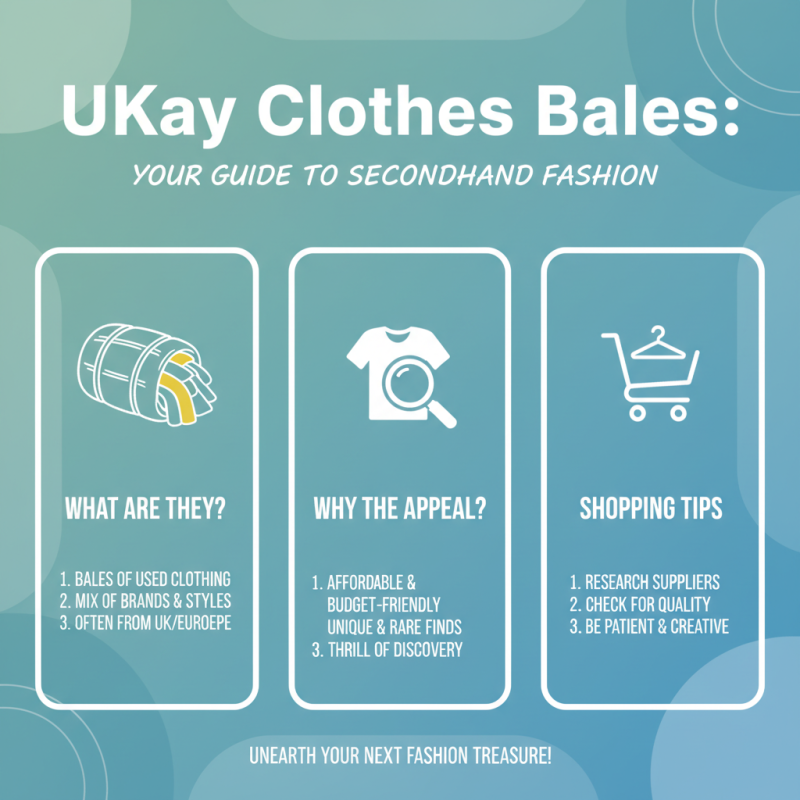
Ukay Clothes Bales have emerged as a fascinating trend in the world of fashion. These bales consist of second-hand clothing, often sourced from various countries. Shoppers are drawn to the unique items within each bale. As sustainability becomes a growing concern, Ukay Clothes Bales attract environmentally conscious consumers.
Many people find excitement in the thrill of discovery that these bales offer. Each purchase can reveal hidden gems, from vintage wear to trendy pieces. The popularity of these bales is also fueled by affordability. Fashion enthusiasts can find high-quality clothes at a fraction of retail prices.
However, the experience isn't without challenges. Some buyers might face a hit-or-miss situation, as not every bale contains desirable items. There's also the need for proper washing and care after purchase. Nonetheless, the charm of Ukay Clothes Bales lies in their unpredictability and potential for treasure hunting.
Understanding Ukay Clothes Bales: Definition and Origin
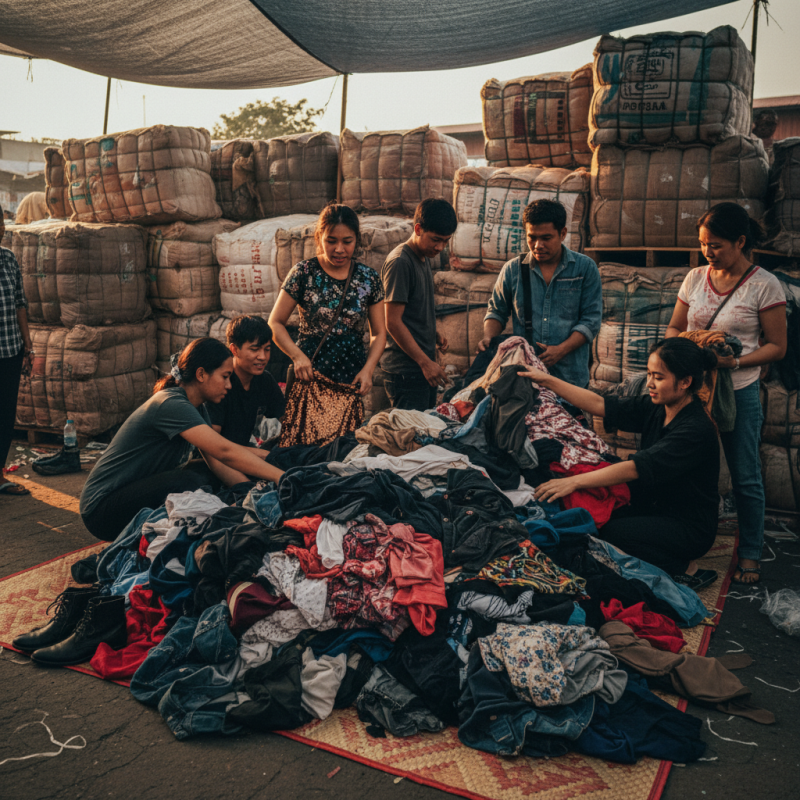
Ukay clothes bales are pre-owned clothing sold in large bundles. Originating in countries like the Philippines, these bales often contain various garments. They are usually sourced from thrift stores or donations. People love ukay clothes for their affordability and unique finds. Shoppers enjoy the thrill of search.
Finding the right piece can be rewarding. However, it might require extra effort. Many bales contain items that are not up to personal taste. Buyers might need to sift through and be patient. This is part of the charm, though. Each bundle is a surprise.
Tips: If you plan to dive into ukay shopping, always check the condition of clothes. Be ready for some hidden gems among the less appealing items. Don’t hesitate to negotiate prices; it's common to discuss rates. Embrace the journey and enjoy the finds!
The Process of Sourcing and Processing Ukay Clothes
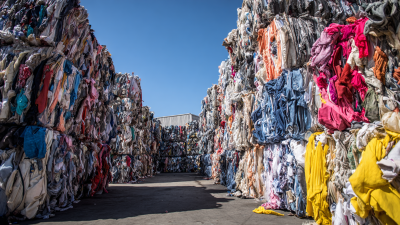
Ukay clothes bales have gained immense popularity due to their unique sourcing and processing methods. The journey begins with sourcing used clothing from various locations. Most of these garments come from donations. They are collected in bulk, often containing items that are still in good condition. According to industry reports, over 1.5 million tons of clothing are disposed of annually, highlighting the potential for reuse in the market.
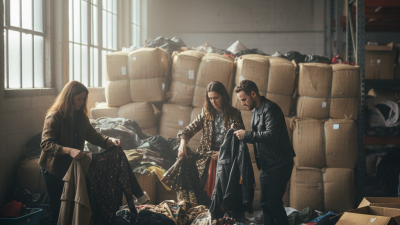
The processing phase is crucial. Importers sort through these bales manually or with machinery. They classify clothes based on style, condition, and brand. Items in great shape are usually sold at premium prices, while the rest are repurposed or sold in bulk at discounted rates. This meticulous process not only minimizes waste but also creates a secondary market for affordable clothing.
Tip: Choose quality over quantity. Inspect each piece you consider for potential wear and tear. You might uncover hidden gems that can elevate your wardrobe.
Yet, there are challenges. Not every item in a bale is desirable. Some may have stains or damage that's hard to detect. This unpredictability can be frustrating for resellers. Understanding this helps in making informed purchasing decisions.
Tip: Stay informed about current fashion trends. Research popular styles to ensure you invest wisely in clothes that will sell. Embrace the challenge of finding unique pieces that resonate with your audience.
Key Factors Behind the Popularity of Ukay Clothes Bales
Ukay clothes bales have gained a strong following in recent years. These bales contain a mix of second-hand clothing, often from various brands. They appeal to budget-conscious shoppers looking for unique finds. Many enjoy the thrill of uncovering hidden gems in these bales. The excitement of sifting through items adds to their charm.
Affordability is a key factor in their popularity. Shoppers can discover high-quality pieces at a fraction of the retail price. This attracts many who want to refresh their wardrobe without overspending. Additionally, the environmental aspect draws attention. Reused clothing reduces waste and promotes sustainability. Fashion trends often cycle, making vintage styles appealing once again.
However, buying from bales isn't without challenges. Sizing can be inconsistent, and some items may show signs of wear. It requires patience and a keen eye to spot desirable pieces. This process can be frustrating for some. Embracing the imperfections can lead to creative styling choices. Ultimately, the allure of ukay clothes bales lies in the blend of treasure hunting and sustainability.
Sustainability and Environmental Impact of Ukay Clothing
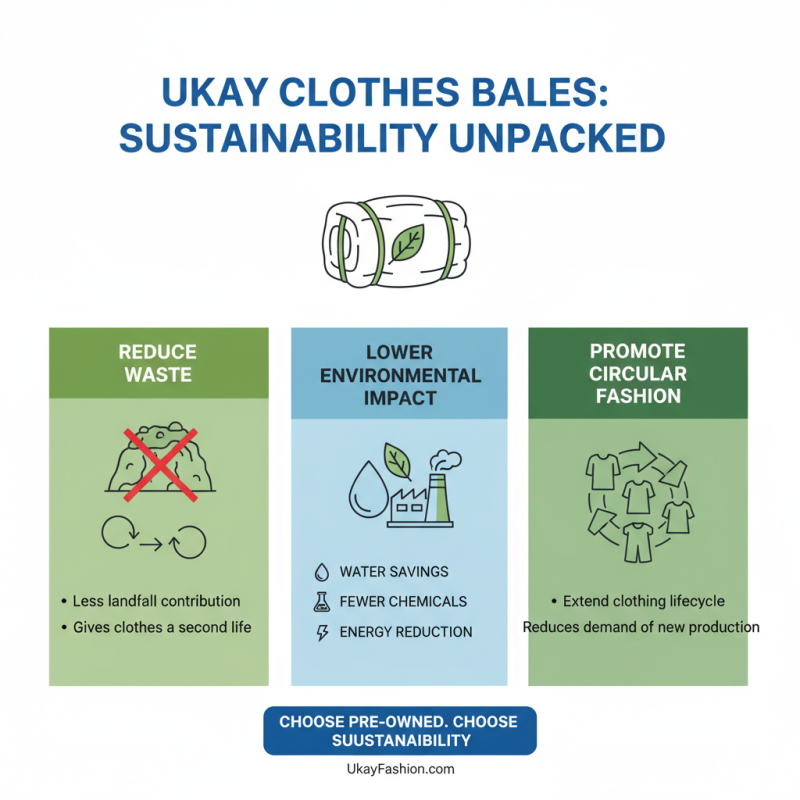
Ukay clothes bales are gaining traction for various reasons, especially their sustainability. These bales contain second-hand garments, often imported from different sources. By opting for pre-owned clothing, consumers reduce the demand for new production. This practice helps minimize the environmental impact associated with manufacturing processes. Less water, fewer chemicals, and lower energy consumption are significant benefits.
People appreciate the uniqueness of ukay clothes. Each bale offers a mix of styles, allowing individual expression. However, the quality of the garments can be unpredictable. Some items may have defects or signs of wear. This unpredictability can make the shopping experience adventurous but also frustrating. Shoppers may find themselves sifting through plenty of unsatisfactory pieces.
This trend emphasizes a growing awareness of sustainability. With fashion contributing to waste and pollution, ukay clothing offers an alternative path. However, one must reflect on the broader impact. While reusing clothes is commendable, consumers should also consider their overall fashion choices. Can we truly embrace sustainability while still seeking new styles? Such questions are essential as we navigate the complex world of fashion.
How to Buy and Identify Quality Ukay Clothes Bales
Ukay clothes bales are bundles of second-hand clothing, typically sourced from Europe or North America. These bales have gained popularity due to their affordability and the variety they offer. Many people seek these items for personal use or to resell. Buying quality ukay clothes bales can be a rewarding experience, but it requires some knowledge and skill.
When purchasing, inspect the bale's weight and size. A good quality bale should weigh between 45 to 55 kg. Pay attention to the appearance of the packaging. It should be intact without signs of wear. Once you open the bale, evaluate the clothing's condition. Look for items with minimal signs of damage. Research indicates that over 60% of customers prioritize quality over brand names when choosing pre-owned clothes.
Tip: Always check the fabric type. Natural fibers like cotton and wool can have better resale value.
Additionally, familiarity with current trends can guide your choices. Certain styles or colors might be in high demand. Keep an eye on fashion reports to identify what consumers are looking for. Remember, not every item may be sellable. It's essential to assess each piece critically.
Tip: Document your findings, noting what sells well and what doesn’t. This will help refine your future purchases.