What is Ukay Shoes Bales and How to Source Them?
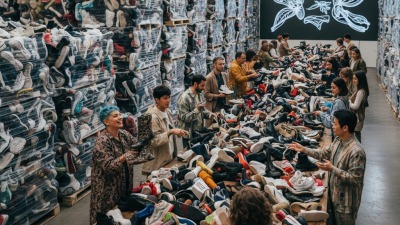
Ukay Shoes Bales have become increasingly popular among thrift store enthusiasts and resellers. These bales consist of bulk footwear sourced from second-hand markets, often containing a mix of brand-name and lesser-known options. The appeal lies in their affordability and unique offerings. By sourcing Ukay Shoes Bales, you can discover high-quality, stylish shoes at a fraction of retail prices.
However, navigating the sourcing process can be tricky. Many buyers struggle with quality assessment. Not every bale will meet your expectations. It's important to develop a keen eye for potential gems. Researching reliable suppliers is crucial. Not all sources provide the same value or quality.
In this ever-evolving market, staying informed and adaptable is key. Building connections with vendors helps. Overcoming hurdles in sourcing Ukay Shoes Bales may require patience and persistence. But the rewards can be significant. Understanding trends and customer preferences enhances your success in this thriving niche. Embrace the journey, and you might just uncover the next hot-selling pair.
What Are Ukay Shoes Bales and Their Origins?
Ukay shoes bales, often filled with second-hand footwear, have garnered attention for their affordability and unique offerings. These bales usually come from various sources, including overstocked or unsold items from retailers. According to data from industry reports, the global second-hand apparel market, including shoes, reached a valuation of approximately $36 billion in 2022, indicating significant consumer interest in sustainable fashion options.
The origins of Ukay shoes bales trace back to countries where the used clothing and footwear market thrives. In regions like Southeast Asia, these bales are commonly found in thrift shops and local markets. Their appeal lies in the chance of discovering rare styles or vintage pieces. However, the sourcing process can be challenging. Quality control varies and not every bale meets consumer expectations. A study published in the Journal of Fashion Sustainability noted that around 30% of second-hand products fail to pass stringent quality checks. This discrepancy remains a critical area for both consumers and retailers.
Navigating the Ukay shoes market requires a keen eye and a willingness to take some risks. While many successes can be found within the bales, the variance in quality underscores a need for careful selection. Industry professionals suggest building relationships with reliable suppliers to increase the chances of uncovering great finds. This approach not only enhances trust but also improves overall sourcing outcomes in a fluctuating market.
Understanding the Quality and Types of Ukay Shoes Bales
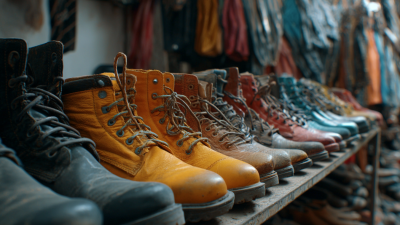
Ukay shoes bales represent a unique market segment within the broader second-hand footwear industry. These bales consist of assorted used shoes, often gathered from various sources. Each bale varies in quality and type, making sourcing a nuanced process. Reports indicate that over 70% of consumers consider quality a primary factor when purchasing used shoes. Understanding the grading systems can help buyers make informed decisions.
The quality of Ukay shoes often depends on their origin. Some bales contain gently used, branded shoes, while others may include lower-quality options. Data reveals that approximately 60% of bales are considered retail-ready. However, the remaining 40% might require repairs or cleaning. This variability necessitates careful evaluation when selecting suppliers. Choosing to partner with reputable sources can significantly enhance the overall success of a resale business.
Types of Ukay shoes vary widely, including athletic, casual, and formal styles. Buyers should be aware that not all styles perform equally in the resale market. Research shows that athletic shoes tend to have a higher turnover rate. Conversely, some formal styles may linger longer. It's crucial to track trends and customer preferences regularly, as these can shift rapidly. Understanding these dynamics is essential for maximizing profitability in this competitive field.
Steps to Source Ukay Shoes Bales Effectively
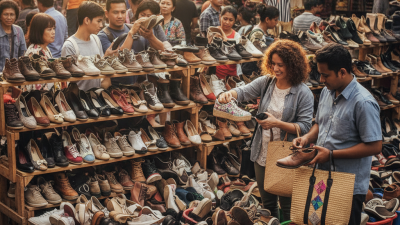
Sourcing Ukay shoes bales effectively requires a clear strategy. Start by identifying reliable suppliers. Attend local markets where bales of Ukay shoes are sold. Building relationships with sellers can help you understand their sourcing process. Look for vendors who offer quality products at reasonable prices. It’s important to manage expectations as not all suppliers will meet your standards.
Once you’ve established contacts, inspect the bales closely. Check for damage or quality issues. Sometimes, bales may come with hidden defects. This could affect your resale value later. Always ask for sample pieces if possible. This lets you assess the quality before making a bulk purchase. Don’t rush the process. Take your time to select the best bales to avoid disappointment.
Consider the logistics as well. Think about storage and transportation. Ensure you have the means to handle incoming shipments. An organized space is essential to maintain the quality of the shoes. Document every transaction for better tracking. This helps you identify trends in sales and make informed future purchases. Reflect on your mistakes to improve your sourcing strategy over time.
What is Ukay Shoes Bales and How to Source Them? - Steps to Source Ukay Shoes Bales Effectively
| Dimension |
Data |
| Average Weight per Bale |
500 - 700 grams |
| Bales Size |
Approx. 1m x 0.5m x 0.5m |
| Average Number of Pairs per Bale |
25 - 35 pairs |
| Common Sourcing Regions |
Southeast Asia, Europe |
| Cost per Bale |
$80 - $150 |
| Key Considerations when Sourcing |
Quality, Origin, Supplier Reputation |
Tips for Evaluating the Best Suppliers of Ukay Shoes Bales
When sourcing Ukay shoes bales, it’s crucial to evaluate potential suppliers carefully. Look for suppliers who have established a solid reputation in the industry. Check online reviews and ratings. A company with a history of positive feedback is often more reliable. Don't hesitate to ask for references from previous clients. This can provide insight into their reliability and service quality.
Inspecting the quality of the bales is essential. Ensure that the supplier allows you to check sample products before making a large purchase. This step can save you from costly mistakes. Quality should meet your business standards. Sometimes, suppliers may oversell their products, leading to disappointment later on.
Price is also a factor. Compare prices from different suppliers to identify a fair market rate. However, the cheapest option isn't always the best. Consider the trade-off between quality and price. Maintain a balance where you don't compromise on the product's integrity. Transparency about sourcing practices is vital. Suppliers should be open about their processes. This promotes trust and can prevent future issues.
Ukay Shoes Bales Supplier Evaluation
Market Trends and Popularity of Ukay Shoes Bales in Retail
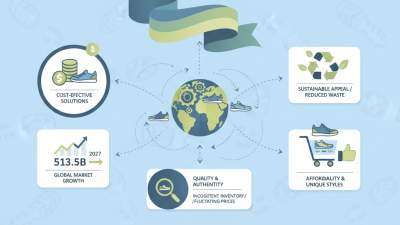
Ukay shoes bales have seen a surge in popularity among retailers and consumers alike. According to industry reports, the second-hand fashion market, which includes Ukay shoes, is expected to grow significantly, reaching a valuation of $64 billion by 2024. This trend highlights a shift towards sustainable shopping practices. More consumers are looking for affordable and environmentally friendly options.
Data indicates that around 35% of consumers prefer purchasing pre-owned shoes over new ones. This shift is mostly driven by rising prices in fast fashion. Retailers focusing on Ukay shoes bales can benefit from this growing demand. They can leverage social media to showcase unique selections. Engaging storytelling about the origin of each pair can elevate their appeal, making them more desirable to customers.
Despite the positive trends, challenges exist in sourcing quality bales. Not all suppliers offer reliable products. Retailers must carefully vet their sources to ensure authenticity and quality. The competition in the second-hand market is also intense, with many players vying for consumer attention. Addressing these issues is essential for retailers looking to thrive in this evolving landscape.