Leave Your Message

What Is a Second Hand Goods Store?

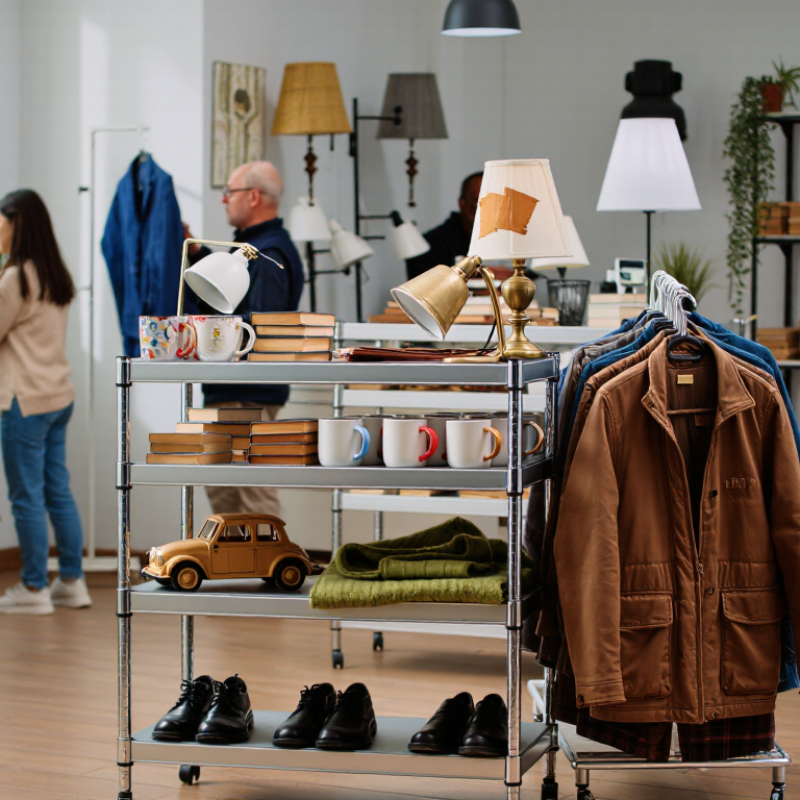
A Second Hand Goods Store gives usable items another chance before they become waste. Its shelves may hold a ceramic mug, a repaired desk lamp, or a winter coat with a little wear. The idea is simple; the work behind it is less so. Staff must assess condition, set fair prices, and describe flaws clearly. Not every bargain is a good buy.

The market is growing. ThredUp’s 2024 Resale Report, prepared with GlobalData, found that U.S. secondhand apparel sales grew 11% in 2023, five times faster than the broader retail clothing market. It projected the global secondhand apparel market could reach $350 billion by 2028. These figures concern clothing, not every category found in a secondhand shop, so they should not be treated as a measure of the whole sector. Still, they show why resale deserves a closer look. Fashion Revolution co-founder Orsola de Castro has said, “The most sustainable garment is the one already in your wardrobe.” Her point applies beyond clothing: keeping a useful item in circulation can avoid an unnecessary new purchase. Yet resale is not automatically sustainable; transport, repairs, and unsold stock matter too. A careful store makes those details visible. This guide explains what a Second Hand Goods Store is, how it operates, what shoppers can expect, and how to judge quality before buying. There is no perfect formula. That is worth remembering.
What Is a Second Hand Goods Store?

Definition and Purpose of a Second-Hand Goods Store

A second-hand goods store is a retail shop that sells items previously owned or used. Its purpose is to give usable goods another chance to find a buyer. Depending on the store, people may donate items, sell them, or receive store credit. Staff sort and assess each item, then set prices based on its condition and demand. A jacket might have a loose button; a lamp may need testing before it goes on display. These details shape what shoppers can expect. Policies vary.

For shoppers, these stores can make everyday goods more affordable and offer items that are harder to find new. For communities, resale can keep furniture, books, cookware, and clothing in use longer. That helps. It is not a perfect fix: some goods arrive damaged, and quality can be uneven. Check for clear condition notes, working zippers, stable chair legs, and complete parts. Ask about returns before buying higher-priced items. A neat display can create confidence too quickly; a closer look may change the decision. That is worth remembering.


Types of Goods Commonly Sold

Second hand goods stores commonly sell clothing, shoes, bags, books, furniture, kitchenware, toys, and small household items. Clothing often takes up a large share of the floor: shoppers may find denim jackets, wool coats, children’s sweaters, or shoes with light signs of wear. The GlobalData analysis cited in the 2024 Resale Report found that the U.S. secondhand apparel market grew 11% in 2023. That figure reflects a strong resale category, though it does not describe every local store.

Household goods bring a different kind of value. A sturdy wooden chair, a clean saucepan, or a set of mismatched cups can serve well without looking new. Stores may also carry lamps, framed art, hand tools, and sports equipment, depending on local donations and demand. Condition matters. Check seams, zippers, handles, and electrical cords before buying. A garment can look spotless but still have a weak seam. I have seen buyers miss small flaws when a bargain feels exciting.

Books, records, craft supplies, and children’s items are common finds, too. Stock changes from week to week, so shoppers rarely see identical shelves twice. Some stores test appliances; others sell them as-is, so ask before purchase. The mix is practical, but uneven. That is part of the appeal—and sometimes the frustration.

How Stores Acquire, Inspect, and Price Items

A secondhand goods store gets stock through customer drop-offs, trade-ins, and selected local purchases. Staff may ask how an item was used, whether it works, and if its parts are complete. A table with a loose leg might still be accepted, but the repair affects its likely selling price. Policies differ, so sellers should ask how payment works and what happens to unsold items.

During inspection, staff check function, condition, cleanliness, and demand. They might test a small appliance, open every drawer, or look for scratches under bright light. A tidy surface can hide a stiff hinge. Even experienced staff can miss something, so stores may revise an offer if testing reveals a problem. Pricing usually weighs repair costs, shelf space, recent local sales, and how quickly similar items move. It is an estimate, not a perfect measure of worth.

Tips: Clean items gently and bring loose parts together in a bag. Share known faults honestly. Keep realistic expectations; a sentimental value rarely matches a store’s resale price. Ask for the offer before agreeing.

How to read this example: Items move from acquisition through screening and inspection before the store sets a price and lists them. The figures illustrate one hypothetical 100-item batch; they are not industry averages. Stores typically consider an item's condition, demand, and expected resale value when deciding whether to accept and price it.

How Buying and Selling Works

Selling at a second hand goods store usually starts with a quick assessment. Staff check an item’s condition, usefulness, and demand before offering a price or store credit. A clean lamp with an intact cord may be easier to accept than one with missing parts. Some stores decide on the spot; others need time to review the item. Ask how unsold goods are handled, and whether the offer changes if you choose store credit. Small details matter.

Buying works differently from shopping for new goods. Stock changes often, so a particular size, color, or model may not be there tomorrow. Look closely at seams, handles, hinges, and power cords. For furniture, check drawers and sit on chairs if the store allows it. Ask about testing, returns, and any known wear before paying. Ask before paying. A low price is not always a good deal if repairs will cost more than expected.

Prices may be firm, or staff may explain how they were set. Be polite if you ask whether there is room to negotiate; policies vary. Keep the receipt and check that the item fits your space before carrying it home. The process can feel less predictable than regular retail. That is part of the appeal, but it can also be inconvenient. A little patience helps, though I still sometimes leave empty-handed.

What Is a Second Hand Goods Store? - How Buying and Selling Works

Stage What the Seller Does What the Store Does How Price and Payment Usually Work Typical Timing
1. Check what the store accepts Reviews the store’s accepted categories and prepares clean, complete items where possible. Sets its own rules for item types, condition, safety, seasonality, and available space. No offer is guaranteed; acceptance depends on the store’s policies and expected resale demand. Before bringing items in
2. Present items for review Brings items to the store or submits them through an available intake process. Shares relevant details, such as age or known faults. Checks condition, completeness, functionality where practical, and suitability for resale. Damage, missing parts, repair needs, and limited demand can reduce an offer or lead to rejection. Often during a visit; timing varies by store and item type
3. Agree on a selling method Chooses whether to accept the store’s offer or use a consignment arrangement, if available. Explains whether it buys items outright or sells them on the owner’s behalf. With an outright purchase, the store pays the agreed amount and takes ownership. With consignment, payment is generally due only after a sale, less the agreed store commission or fees. Agreed before the store takes the item
4. Set the resale price Reviews the proposed terms and confirms the price or consignment conditions before proceeding. Estimates a resale price using condition, comparable local prices, demand, and the cost of preparing and selling the item. The seller’s payout is usually lower than the expected retail price because the store needs to cover operating costs and resale risk. Exact amounts vary by store and item. At assessment or when consignment terms are set
5. Prepare and display the item Provides any agreed accessories or information and keeps a record of the terms, especially for consignment. May clean, test, label, price, and display the item, depending on its condition and the store’s process. Preparation costs and responsibilities differ. The agreement should state who handles markdowns, unsold goods, and collection deadlines. Varies; consigned items may remain listed for an agreed selling period
6. Complete the sale or collect an unsold item Receives payment for an outright sale, or follows up on a consigned item and collects it if required by the agreement. Pays the agreed amount for an outright purchase or pays the consignor after a completed sale, according to the stated terms. Payment methods, payout schedules, return deadlines, and any uncollected-item policy vary. Sellers should check these terms in advance. Immediate or shortly after purchase; consignment payment follows the store’s settlement schedule
Buyer’s perspective: Shoppers can inspect pre-owned goods in person and compare condition and price. Availability, item history, warranties, returns, and consumer protections depend on the item, store policy, and local law.

Note: Processes and terms differ between stores. The timings above are general descriptions, not guaranteed service times.

Benefits and Considerations for Customers

A second-hand goods store can help customers find useful items at lower prices, from sturdy kitchenware to coats with years of wear left. The selection changes often, so a visit may reveal something practical—or nothing you need. That uncertainty is part of the experience. Prices are not automatically a bargain, though; compare condition and cost with similar new items before deciding.

Inspect each item in good light. Check zippers, seams, handles, and moving parts, and look for stains, cracks, or missing pieces. For electronics or appliances, ask whether you can test them and whether any return option applies. Store policies vary. A small flaw may be easy to repair, but the cost and effort can erase the savings. Bring a reusable bag and allow time to browse without rushing.

Buying second-hand can keep usable goods in circulation and reduce demand for new production. Still, not every purchase is automatically a more responsible choice; an item you never use is still clutter. I sometimes think a worn object’s small marks make it more appealing, then notice those marks are harder to clean than expected. Take a moment. Consider storage, cleaning, and how often you will actually use it before paying.