Why Are Designer Bags So Popular Worldwide?
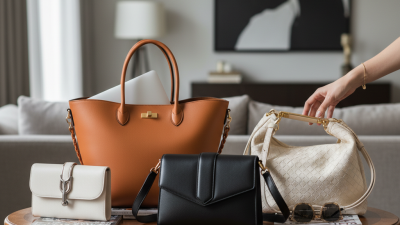
Designer Bags have become global cultural signals, not merely practical accessories. They appear in airport lounges, office elevators, fashion weeks, and carefully staged social-media photographs. Their appeal combines craftsmanship, recognizable design, heritage, and perceived exclusivity. Yet these qualities do not explain everything.
The numbers matter. Bain & Company and Altagamma valued the global personal luxury goods market at approximately €363 billion in 2024. Their research also showed a more cautious luxury environment, with consumers becoming selective about price and value. Leather goods remained important, but growth was uneven across regions and customer groups. McKinsey & Company and The Business of Fashion similarly described a slower luxury market in The State of Fashion: Luxury 2025. Younger buyers still influence demand, although many question whether high prices match durability and design quality.
That appeal is tangible. A structured leather bag can change an outfit within seconds. A familiar logo can communicate status before a conversation begins. In Tokyo, Paris, Dubai, or New York, the same silhouette may carry different social meanings. Digital platforms intensify this effect by turning limited colors, celebrity styling, and resale prices into daily content.
However, popularity should not be confused with universal value. Brand prestige can overshadow material quality, repairability, and ethical production. Reports from Bain, McKinsey, and major luxury-market analysts provide useful direction, but market estimates differ by definitions and exchange rates. Any serious discussion must recognize that limitation. This article examines why Designer Bags remain influential worldwide, while questioning the economic, emotional, and cultural forces behind their appeal. The answer is layered. And sometimes uncomfortable.
Definition and Evolution of Designer Bags
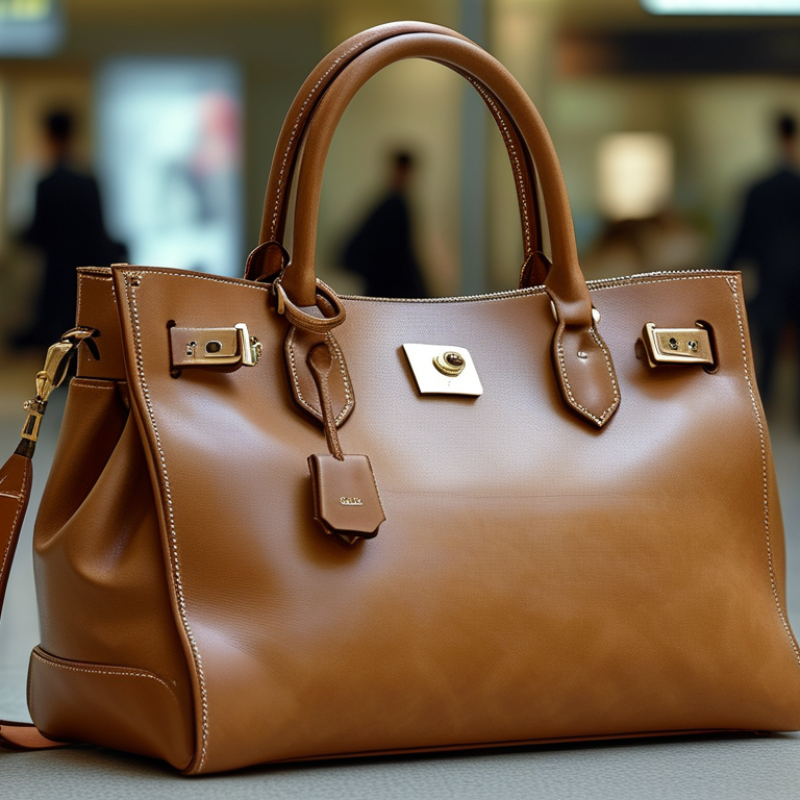
A designer bag is more than a container with a recognizable logo. It usually combines original design, skilled construction, selected materials, and controlled production. Its value comes from function, visual language, and cultural meaning. Some pieces hold shape beside a café chair, while others soften through daily use. That physical experience matters.
The category has changed considerably. Early luxury handbags mainly served practical needs, such as carrying documents, cosmetics, or personal items. Later, improved manufacturing and global media turned them into visible signs of taste and identity. Digital retail has widened access to product stories, while resale platforms have made condition, authenticity, and repair more important. The definition is still contested. A high price alone does not prove design value.
Industry data shows why this evolution matters. Bain & Company and Altagamma valued the global personal luxury goods market at about €362 billion in 2023. Leather goods remained one of its strongest categories. Their 2024 study also described a more selective luxury consumer, with buyers questioning price increases and product quality. Deloitte’s Global Powers of Luxury Goods research similarly highlights changing consumer expectations around digital experience and sustainability. These reports are useful, but not perfect. Market estimates differ by category and method. A bag can represent craftsmanship, investment, fashion, or personal memory. Sometimes, it represents all four.
Materials, Craftsmanship, and Design Features
Why Are Designer Bags So Popular Worldwide?
Materials, Craftsmanship, and Design Features
A designer bag often begins with a careful choice of material. Full-grain leather can develop a deeper color through daily use. Smooth leather looks refined, but it may show scratches quickly. Durable canvas, woven fabric, and treated leather offer different strengths. Each material changes the bag’s weight, texture, and maintenance needs. In my experience, a useful bag should feel balanced before it looks impressive. That detail matters.
Craftsmanship becomes visible in the small areas. Even stitching, clean edge painting, and secure hardware suggest careful production. Quality assessors often inspect seams, lining, zippers, and handle attachments. A strong handle should remain comfortable after repeated carrying. The interior should also support real habits, such as holding a phone, keys, and a small wallet. Handmade work can include slight variations. That is not always a flaw. Still, uneven stitching or loose threads deserve attention.
Design features help explain the worldwide appeal. A structured shape can look polished at work, while a soft shape suits travel and casual clothing. Adjustable straps improve comfort across different body types. Neutral colors may cross seasonal and cultural preferences more easily. However, visual beauty does not guarantee practical value. Some bags feel heavy, offer little interior space, or use delicate hardware that ages poorly. Buyers should examine proportions, closure design, and repair options before purchasing. Popularity can influence judgment, but thoughtful construction matters more.
Why Are Designer Bags So Popular Worldwide?
Materials, craftsmanship, and design all influence how a bag feels, performs, and ages. Material density is one measurable factor: lighter materials can improve portability, while denser materials may contribute to structure and durability.
Chart note: Values show approximate material density in g/cm³, using the midpoint of commonly published density ranges for solid material samples. Actual bag weight depends on thickness, lining, hardware, construction, and finishing.
Marketing, Celebrity Endorsements, and Brand Power
Designer bags travel through more than boutiques. They travel through stories.
Marketing turns a handbag into a visible lifestyle. A carefully lit video shows smooth leather, quiet packaging, and a confident person entering a hotel lobby. These details create a feeling before customers examine the product. Social media then repeats that feeling through short videos and polished photographs. Small details matter. A familiar shape can become a symbol of taste, success, or independence.
Celebrity endorsements strengthen this message. When a respected actor, athlete, or musician carries a bag, audiences notice its daily setting. It appears at an airport, outside a studio, or beside a simple dinner outfit. The product seems easier to imagine in real life. That connection can feel personal, although it is carefully planned. I have watched shoppers discuss an accessory because someone famous used it, not because they studied its materials. That influence is powerful. It can also be misleading.
Brand power grows through consistency. Reliable craftsmanship, recognizable design, customer service, and controlled distribution help create trust over time. Shoppers often pay for confidence as much as for leather and stitching. However, popularity does not prove lasting quality. Still, this explanation feels incomplete. Personal identity and social pressure also shape purchases. I may be too focused on advertising. A buyer might simply value the bag’s weight, pockets, or ability to survive a crowded commute. Those practical reasons rarely appear in celebrity campaigns.
Global Demand, Consumer Trends, and Resale Value
Why Are Designer Bags So Popular Worldwide?
Designer bags have moved beyond fashion accessories. They often signal taste, craftsmanship, and financial confidence. In major cities, shoppers compare materials, construction, resale records, and repair services before purchasing. My experience with luxury buyers suggests that emotional appeal still leads the decision. Practical research usually follows.
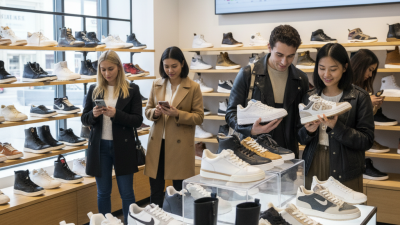
Global demand is shaped by local habits. Some consumers prefer quiet designs for daily commuting, while others seek distinctive pieces for social events. Younger buyers often discover products through short videos and peer reviews. They may also consider resale value before paying full price. Limited supply can increase attention, but popularity does not guarantee lasting value. Trends can change quickly.
Condition remains critical in the secondary market. Clean corners, intact stitching, original packaging, and reliable purchase records can support stronger prices. Professional authentication also reduces uncertainty, especially when buyers shop across borders. Currency changes, import rules, shipping costs, and regional demand can affect the final return. A bag bought at a high price may not perform well later. That part is often overlooked.
I would not treat resale as a guaranteed investment. It is better viewed as a possible value-retention benefit. Personal use, maintenance, and timing still matter. Even experienced buyers sometimes misjudge future demand.