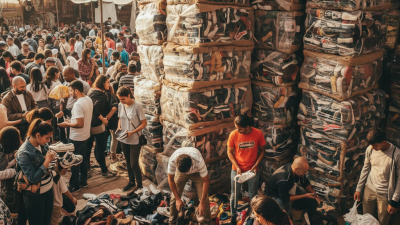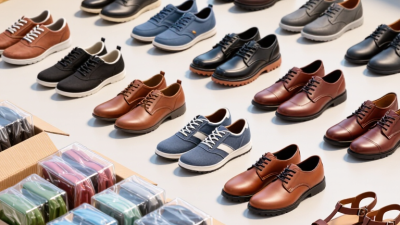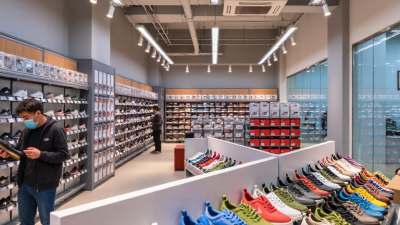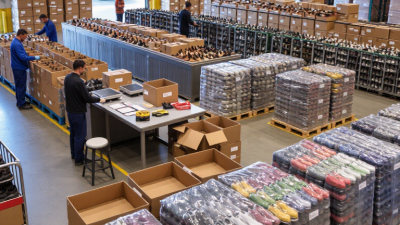
Buying Second Hand Brand Shoes in Bulk can look simple: find a recognizable label, agree on a price, and arrange delivery. The real work happens before the cartons arrive. A buyer needs to assess wear, confirm sizes, check product details, and understand how the supplier grades each pair. One scuffed heel is manageable. A whole shipment with inconsistent grading is different.
The market offers a reason to pay attention, but the figures need context. ThredUp’s 2024 Resale Report, prepared with GlobalData, projected the global secondhand apparel market could reach $350 billion by 2028. That figure covers apparel resale broadly; it is not a forecast for branded shoes alone. ThredUp co-founder and CEO James Reinhart has described resale as moving into mainstream shopping. This is a paraphrase, not a verbatim quotation. The distinction matters: buyers deserve evidence, not invented certainty.
This guide focuses on practical checks: requesting clear photos, reviewing condition definitions, sampling inventory, and comparing landed costs with realistic resale prices. Ask what “excellent condition” means in writing. Look closely at soles, stitching, insoles, and size labels. Request a sample when possible. Small details matter.
There is no perfect formula. Even careful checks can miss a problem. A dependable supplier, documented grading, and a cautious first order can reduce avoidable surprises when sourcing Second Hand Brand Shoes in bulk.
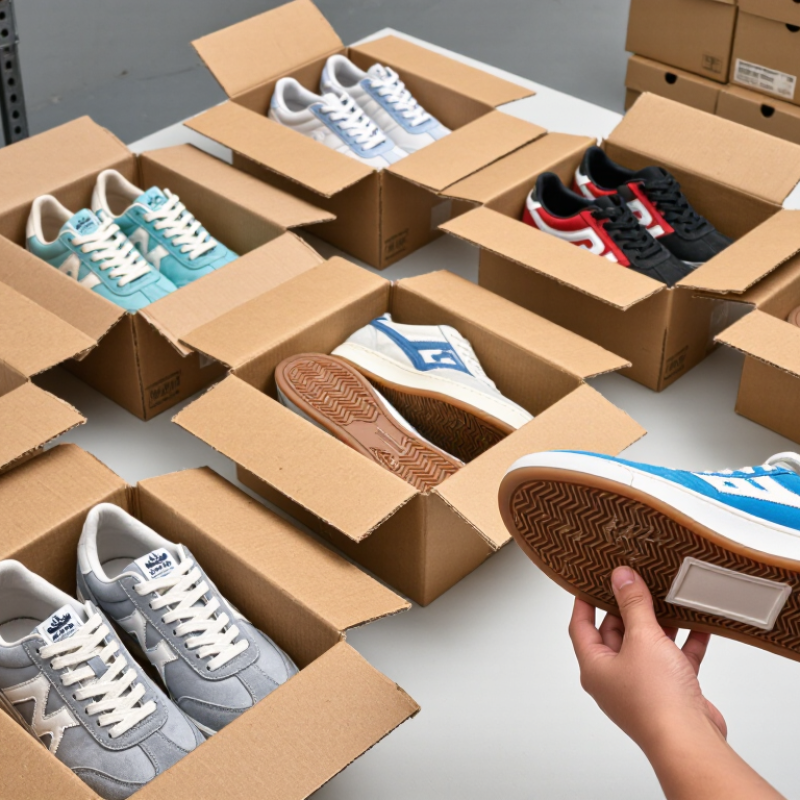
Before buying second-hand shoes in bulk, define the job each pair must do. Are you seeking fast turnover, higher margins, or a dependable everyday range? Set a budget per pair, a target sell-through period, and acceptable condition grades. The 2024 ThredUp Resale Report says the U.S. second-hand apparel market grew 11% in 2023. That figure covers apparel resale broadly, not shoes alone, so treat it as context—not a footwear forecast. Your own sales records are a better guide.
Choose categories your customers actually wear. Everyday sneakers may suit a broad audience, while leather casual shoes or formal pairs need clearer sizing and condition checks. Seasonal boots can tie up cash when bought at the wrong time. Inspect soles, inner linings, stitching, odors, and matching pairs; photograph defects and record sizes before approving a lot. Small details matter. I have seen a tempting low unit price become a slow-moving pile when the size mix was poor.
Tips: Request a sample lot before committing. Compare size distribution with past orders, and ask for itemized condition grades. Start with a modest test purchase, then track returns and sell-through by category. Not every promising category will work in your market; revise the plan when the numbers disagree.
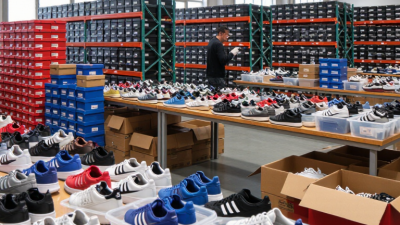
Buying second-hand branded shoes in bulk starts with a supplier you can inspect, not just a low price. Ask for the business address, sales history, sourcing method, and references from repeat buyers. Request an inventory sheet listing sizes, condition grades, and clear photos of soles, labels, stitching, and boxes. A video call can show how the stock is stored and packed. Polished photos are not proof.
Before placing a large order, request a sample from the same stock lot. Compare construction, materials, labels, and production details with reliable authentication references. Keep invoices and written grading terms. An independent authenticator familiar with pre-owned footwear can help, but no single detail confirms authenticity. Check return terms for items that fail inspection, and clarify who pays shipping. Mixed lots can include both excellent pairs and disappointing ones. A neat spreadsheet can still miss wear inside the heel.
Tips: Start small. Inspect several pairs from each grade, including the lining and outsoles. Pay through a traceable business channel, and save supplier messages. If details feel inconsistent, pause and ask for clearer evidence.
Before purchasing second-hand shoes in bulk, inspect a sample from every carton, not just the cleanest pair. Check both shoes for matching sizes, loose soles, cracked midsoles, worn heel edges, and damaged stitching. Open the shoes and look for odors, dampness, or stains that photographs may hide. Small details matter.
Use a written grading scale, such as A for light wear, B for visible wear with sound construction, and C for heavy wear or repair needs. Define each grade with examples and share the definitions with the supplier. One buyer’s “good condition” can mean scuffed toes; another’s can mean nearly unworn. Ask how pairs are graded and request clear photos of any disputed defects. A grading label alone is not proof.
Keep inventory records by carton and style category, noting sizes, quantities, grade, and observed defects. Record the date and who completed the inspection. A simple spreadsheet works, though it can be awkward when cartons are mixed. I have seen counts drift when staff record pairs before checking both shoes. Reconcile the final tally against the packing list, and photograph unusual damage before accepting the shipment. This gives you a practical basis for pricing, sorting, and discussing discrepancies with the supplier.
When comparing bulk prices, ask what each pair includes: grading, cleaning, laces, and individual packing can change the real cost. A low price may cover mixed-condition stock, while a higher quote may include clearer condition records. Request a sample carton or recent photos, and check whether the size mix matches your customers. Small lots cost more.
Minimum orders vary by supplier and stock category. Confirm whether the minimum is measured in pairs, cartons, or total value. Ask if you can combine sizes or condition grades to meet it. A large order can reduce the per-pair price, but only if you can sell the inventory. I have seen buyers focus on the discount and overlook slow-moving sizes.
Shipping quotes need careful comparison. Check carton dimensions, total weight, delivery method, insurance, and whether the quote includes unloading or only port delivery. Bulky cartons can cost more than their weight suggests. Then estimate import duties, taxes, brokerage, and local handling for your destination; these depend on the route and current rules. Verify figures with official customs guidance or a qualified broker before paying. Leave room for surprises. A spreadsheet helps, though estimates still miss things.
| Buying Option | Typical Minimum Order | Indicative Wholesale Price | Shipping Considerations | Quality and Sorting | Best Suited For |
|---|---|---|---|---|---|
| Sorted, wearable pairs | About 100–500 pairs; supplier terms vary | Approximately US$4–$10 per pair | Sea freight is usually more economical for larger orders. Confirm whether the quote is EXW, FOB, or includes freight. | Request the grading standard, sample photos, and the permitted share of damaged or mismatched pairs. | Retailers seeking more predictable resale stock and easier inventory planning. |
| Unsorted mixed shoes, sold by weight | Often 100–500 kg or more | Approximately US$2–$6 per kg; pair count and resale condition can vary considerably | Freight is charged by shipment weight or volume. Ask for packed weight, bale dimensions, and the estimated number of pairs. | Expect mixed styles, sizes, and conditions. Agree on what counts as wearable before ordering. | Buyers with sorting space, repair capacity, or low-cost resale channels. |
| Higher-grade, size-sorted pairs | About 100–300 pairs; some sellers require larger lots | Approximately US$7–$15 per pair | Better sorting can increase the purchase price without reducing freight costs; compare the landed cost per saleable pair. | Ask whether pairs are matched, cleaned, size-labeled, and checked for sole separation or other defects. | Online sellers and shops that need consistent condition and size information. |
| Large pallet or container lot | Typically several hundred pairs to several thousand, depending on packing | Quote commonly depends on grade, packing method, and order size | Sea freight may lower transport cost per pair, but port, handling, customs, and delivery charges can be significant. | Inspect a representative sample and confirm the grading and claims process in writing before dispatch. | Established importers able to manage customs clearance and larger inventory risk. |
| Planning note: Price ranges above are broad budgeting estimates, not supplier quotes. Actual costs depend on condition, sorting, origin, destination, season, packaging, and the agreed delivery terms. Verify current prices and shipment details before paying. | |||||
| Cost Item | Example Amount per Pair | How to Check or Calculate |
|---|---|---|
| Goods purchase price | US$4.00 | Use the supplier’s written quotation and confirm the grade, quantity, currency, and delivery term. |
| International freight and insurance | US$1.50 | Illustrative allocation only. Obtain a freight quote based on the shipment’s packed weight, volume, route, and service. |
| Customs value used in this example | US$5.50 | Example calculation: goods price plus freight and insurance. Customs valuation rules differ by destination. |
| Illustrative import duty | US$0.55 | Example only: 10% of US$5.50. The actual rate depends on the destination country, product classification, origin, and applicable trade rules. |
| Illustrative import VAT or sales tax | US$1.21 | Example only: 20% of US$6.05 (customs value plus illustrative duty). Tax bases and rates vary by country. |
| Local handling and clearance allocation | US$0.50 | Illustrative estimate only. Ask the carrier or customs broker about clearance, terminal, and delivery charges. |
| Estimated landed cost | US$7.76 | Example total per pair before storage, cleaning, repairs, payment fees, or unsaleable-item losses. |
| Important: The duty, tax, freight, and handling figures in this example are assumptions for demonstrating the calculation, not universal rates. Check the destination customs authority’s current tariff classification and tax rules, and obtain a complete freight and clearance quote before placing an order. | ||
When buying second-hand branded shoes in bulk, begin with a trial order rather than committing to a full shipment. Choose a small, representative mix of sizes and condition grades. Ask the supplier to describe how pairs are inspected, cleaned, matched, and packed. Request clear photos of actual pairs, including soles, heels, labels, and common wear areas. Photos help, but they cannot replace checking the goods yourself.
Inspect the trial shipment against written standards. Note sole wear, odor, scuffs, missing insoles, and mismatched pairs. Record defects by category, then compare your findings with the supplier’s description. Set an acceptable defect rate before placing repeat orders, and agree how shortages or misgraded pairs will be handled. Keep a few inspected pairs as reference samples. Expectations can still be imperfect; condition grading is not always consistent across sellers. That matters.
Tips: Use a simple checklist and photograph defects under bright, even light. Recheck a small sample from every delivery, not just the first box. Track results by shipment date and grade. If quality slips, pause the next order and discuss specific examples before buying more.
Illustrative trial-order results showing the share of inspected pairs that passed each quality check. Use your own inspection records to evaluate suppliers.